What Is the Midnight Sun in Lapland?
For about a month each summer, the sun never sets in Rovaniemi. Here is the astronomy behind the midnight sun, and how it connects to Lapland's dark winters.
Watching the midnight sun is free. A guided lakeside sauna adds a private sauna, campfire food and arranged transfers to a summer evening.
Choose summer for the midnight sun and dark-season dates for the aurora. A lakeside sauna gives the long evening a setting; Ranua adds a structured wildlife day. Check the actual departure date before arranging transport.
What causes the midnight sun
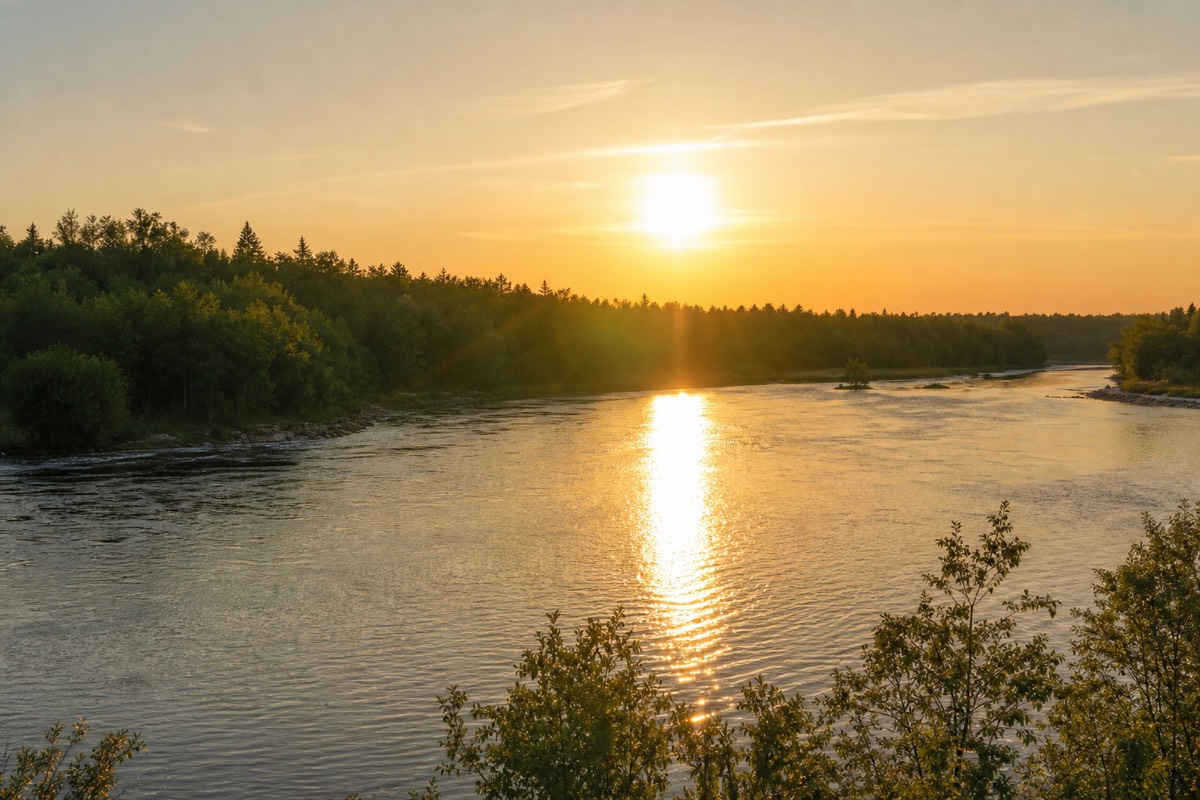
The midnight sun happens because Earth's axis is tilted about 23.5 degrees, so at latitudes north of the Arctic Circle, roughly 66.5 degrees north, the sun stays above the horizon continuously for a period around the summer solstice, and atmospheric refraction bends light enough that the effect reaches slightly south of the exact line too. That refraction is part of why Rovaniemi, whose city center sits a few kilometers south of the true Arctic Circle, still gets the full effect.
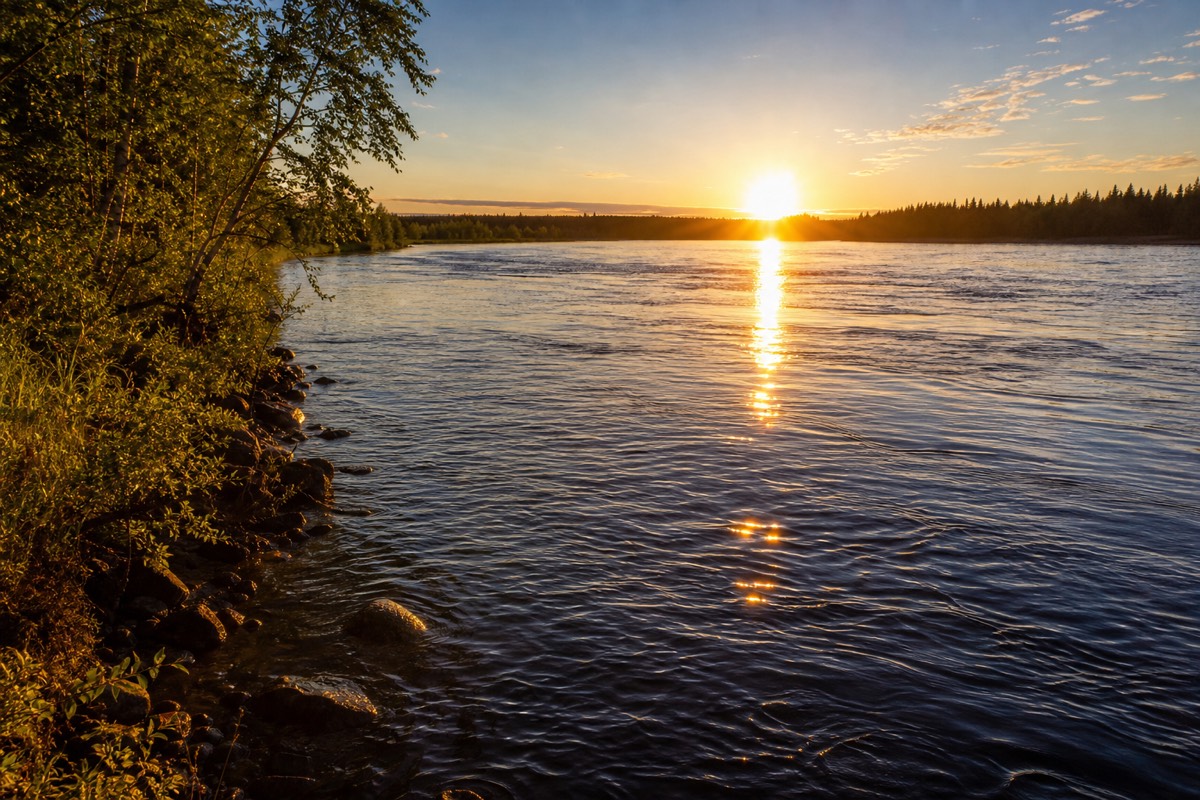
Picture the Earth tilted on its axis like a slightly leaning top, spinning through a full day-night cycle while it also orbits the sun once a year. Around the June solstice, the North Pole is tilted as far toward the sun as it gets, so the entire polar region stays in constant daylight, and that band of constant daylight extends down to the Arctic Circle. Six months later, at the December solstice, the same tilt points the North Pole away from the sun, which is what produces the opposite effect: the polar night, when the sun never clears the horizon at all.
It is the same tilt that gives temperate latitudes long summer days and short winter ones, just taken to its extreme. Above the line, the sun does not dip low enough below the horizon to actually set for a stretch of days or weeks, and how long that stretch lasts depends on exactly how far north a place sits. The closer to the pole, the longer the sun stays up.
This is different from simply having long summer days, which happens everywhere at higher latitudes regardless of the Arctic Circle. Helsinki, well south of the line, gets close to nineteen hours of daylight around the solstice, genuinely long by most standards, but the sun still dips below the horizon for a few hours of dim twilight. Rovaniemi's month of true midnight sun is a threshold effect, not just a more extreme version of a long day. Either the sun clears the horizon for the full 24 hours or it does not, and the Arctic Circle is where that switch flips.
When it happens in Rovaniemi
In Rovaniemi specifically, the sun does not set for roughly a month, from around June 6 to July 7, with the summer solstice, usually June 20 or 21, falling in the middle of that window. Outside that exact stretch, roughly mid-May through early August, the sky still stays light through the night even without technically-full 24-hour sun, because twilight barely fades before the sun climbs back up.
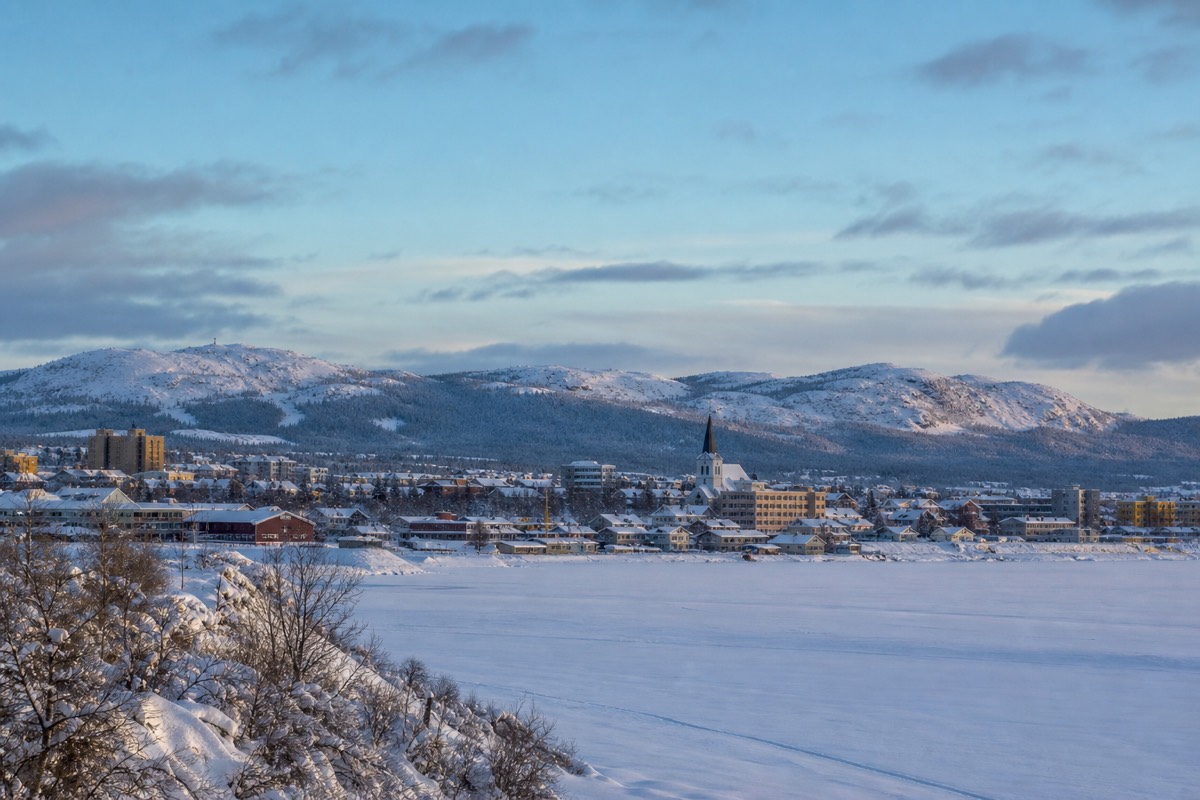
That is a wider practical window than the strict no-sunset dates suggest. A visitor in late May or late July will not get a sun that stays visible at 2am, but they will get a sky that never really goes dark, which for most travelers looks and feels the same.
Within the true midnight sun window, the sun does not vanish and reappear the way it does at sunrise and sunset further south. Instead it traces a low, shallow arc around the sky, dipping toward the horizon in the small hours before climbing again, without ever quite touching down. Visitors who stay up to watch it often describe the light around 1am or 2am as similar to a long golden hour, soft and low-angled, rather than the harsh overhead light of midday.
What it's actually like on the ground
Locals and visitors describe the same adjustment: full daylight at midnight throws off normal sleep cues, and it takes most people a night or two to stop feeling like they should be tired when the sky says otherwise. Blackout curtains are standard in Rovaniemi hotels for exactly this reason. Restaurants, rivers, and hiking trails stay busy well past what would count as closing time further south, since there is no darkness cutting the day short.
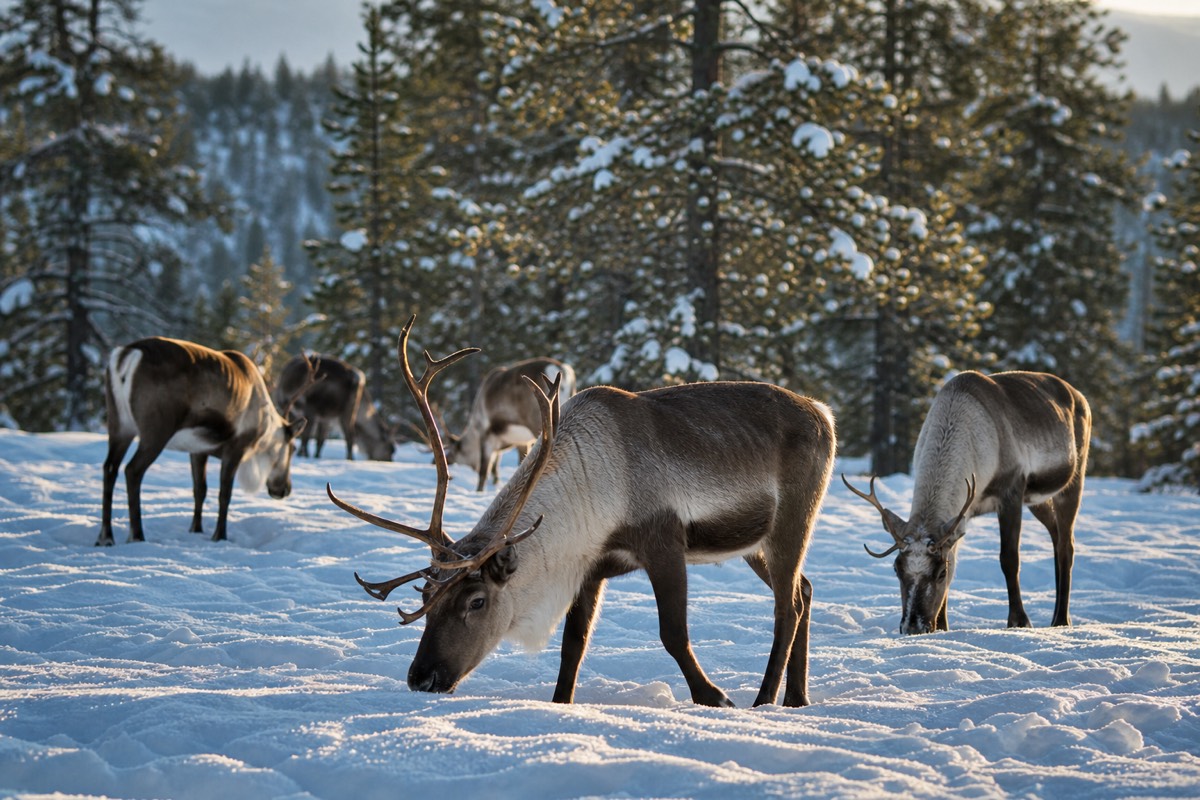
It also changes what a day trip looks like. An evening visit to see reindeer or a late boat trip on the Kemijoki River happens in full sun, the same as one at noon, and a sauna session at midnight looks out over a bright river rather than a dark one.
Most visitors find a sleep mask or the hotel's blackout curtains solve the adjustment within a night or two, and many locals simply keep a consistent bedtime regardless of what the sky is doing outside, treating the clock rather than the light as the cue to wind down. Others lean into it, using the extended daylight for late hikes or fishing trips that would be cut short by darkness anywhere further south. Neither approach is wrong, it mostly comes down to how sensitive a given traveler is to light while sleeping.
The other half: polar night
The midnight sun and the polar night are two sides of the same axial tilt: in deep winter, the same latitudes that see continuous sun in June go through a period around the winter solstice when the sun does not rise above the horizon at all. It is the trade a traveler makes for choosing one Lapland season over another, endless light in summer against blue-tinted twilight and long dark stretches in winter.
The two phenomena are not separate quirks, they are the predictable result of the same 23.5 degree tilt viewed from opposite points in Earth's orbit. Anyone deciding which season fits their trip is really choosing between these two extremes, and everything in between them. For a full breakdown of how that timing decision plays out month by month, see our guide on when to visit, specifically the summer section.


