Husky Safari Rovaniemi Tours Guide
A real husky safari means driving your own sled through the forest - not a short ride at Santa Claus Village. Learn what to book, trusted operators, and what it actually costs.
Choose the sled format and distance before comparing prices. The reviewed six-to-ten-kilometre self-drive outing takes four hours; the musher-driven one-kilometre option takes two hours including transfers.
Self-drive for a longer trail, musher-driven for a short ride, or a six-hour combined family day for variety. Child participation and driving roles need operator confirmation.
Last updated: May 29, 2026
Rovaniemi Husky Safari Types at a Glance
| Safari Type | |||||
|---|---|---|---|---|---|
| SCV short ride (e.g. Bearhill at Santa’s Village) | 2-2.5 km | 8-12 min | No, guide drives | €60-65/adult | Very limited time; taste only |
| Short kennel safari (5 km) | 5 km | 15-25 min | Yes (17+ to drive) | €110-190/adult | First-timers; 2-2.5 hr total |
| Standard kennel safari (6-10 km) | 6-10 km | 30-50 min | Yes (17-18+ to drive) | €145-200/adult | Best value; couples, families |
| Extended safari (12-18 km) | 12-18 km | 60-90 min | Yes (17+ to drive) | €200-300/adult | Deeper wilderness; dog lovers |
| Guided/passenger-only safari | Varies | Varies | No, sit in sled | €85-160/adult | Families with young children |
| Wilderness expedition (15+ km) | 15+ km | Full day | Yes | €300+/adult | Experienced / adventurous adults |
Prices verified April 2026. December 1 to January 11 pricing is typically €5 to €10 higher per person across most operators. Children’s rates usually €30 to €60 less than adult rates depending on age band.
What Is a Husky Safari in Rovaniemi and What Should You Expect?
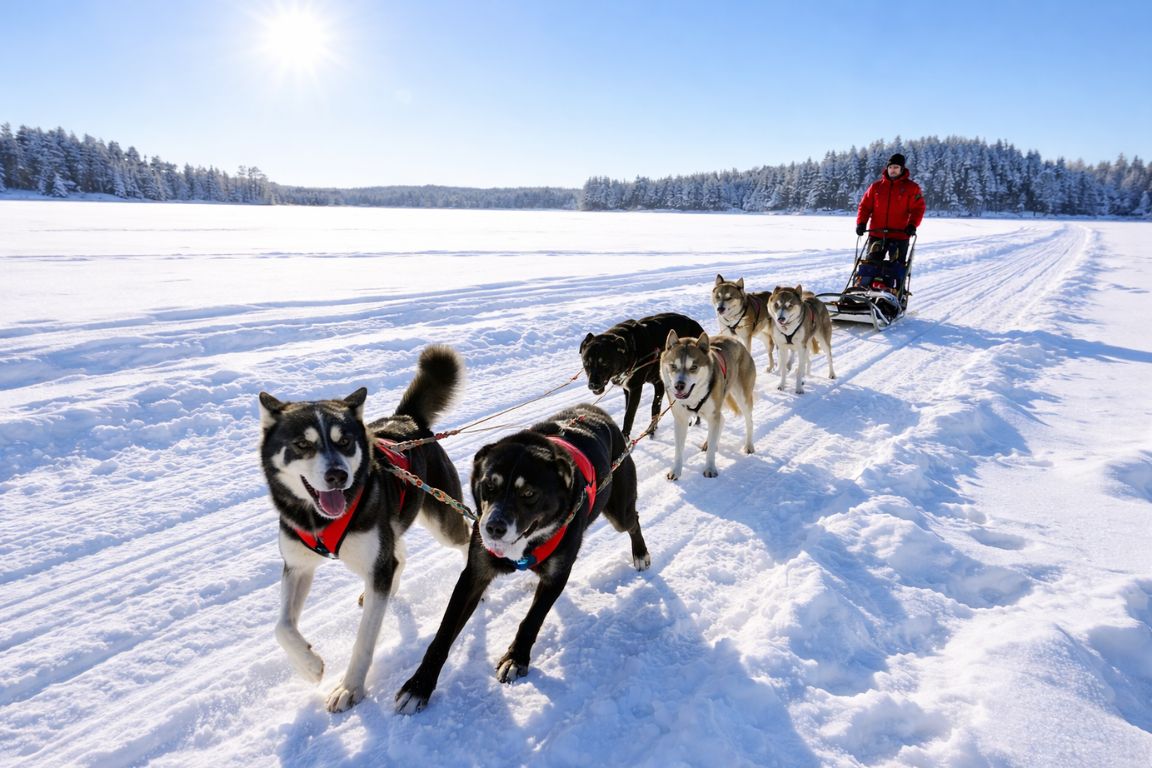 A husky safari is an experience where you drive a team of four to six sled dogs through snow-covered Arctic forest on a wooden or fibreglass sled – you stand on the back runners as the musher, the dogs pull, and you steer by shifting your weight and using the foot brake. A proper safari covers 5 to 15 km over 30 to 90 minutes of sled time, takes place at a kennel 25 to 35 km outside Rovaniemi, and includes a briefing, kennel visit, campfire with hot drinks, and time with the dogs after the run. The total experience runs 2 to 3 hours door to door.
The moment the dogs are harnessed is when the safari begins in the only way it can – with chaos. Every dog in the yard starts howling the instant the harness comes out. They pull at their tethers, spin in circles, bark at their teammates. Huskies do not experience this moment with restraint. The energy is completely contagious. By the time you are standing on the runners and the guide signals the release, your heart rate is already elevated and you have not moved yet.
Then the sled moves. The howling stops instantly – all of it. The dogs are running and running is the only thing they want. The sound becomes paws on packed snow, the hiss of the sled runners, the dogs breathing in rhythm. The forest closes around you. The guide’s sled is ahead on the trail, the trees are close on both sides, and the only question you have is how to keep the sled on the track. This is the part nobody tells you in advance: you are not a passenger. You are controlling a machine made of four dogs, a sled, and momentum, and it requires your full attention.
After 15 to 20 minutes your partner switches to the driving position and you sit in the front of the sled. The view changes entirely. The dogs pull ahead of you, their ears up, their movement synchronized. The forest is quieter from the passenger position. You look up and see the birch trees hanging with snow overhead. This part of the experience is the one most travelers remember longest – not the driving, but the five minutes sitting in the sled watching the dogs work while the forest goes by.
After the run comes the kennel time. Hot berry juice, cookies, and the dogs coming off harness and becoming individual animals with names and personalities. The guide knows every dog by character. This one is the troublemaker who bites the traces when bored. That one is the most affectionate with guests. The 15 minutes of kennel time after the run is not a formality – it is where the experience becomes a connection rather than an activity.
Want to find the right safari for your group? Start with a 2-hour daytime self-drive or the 6–10 km kennel safari with BBQ.
What Types of Husky Safari Are Available in Rovaniemi?
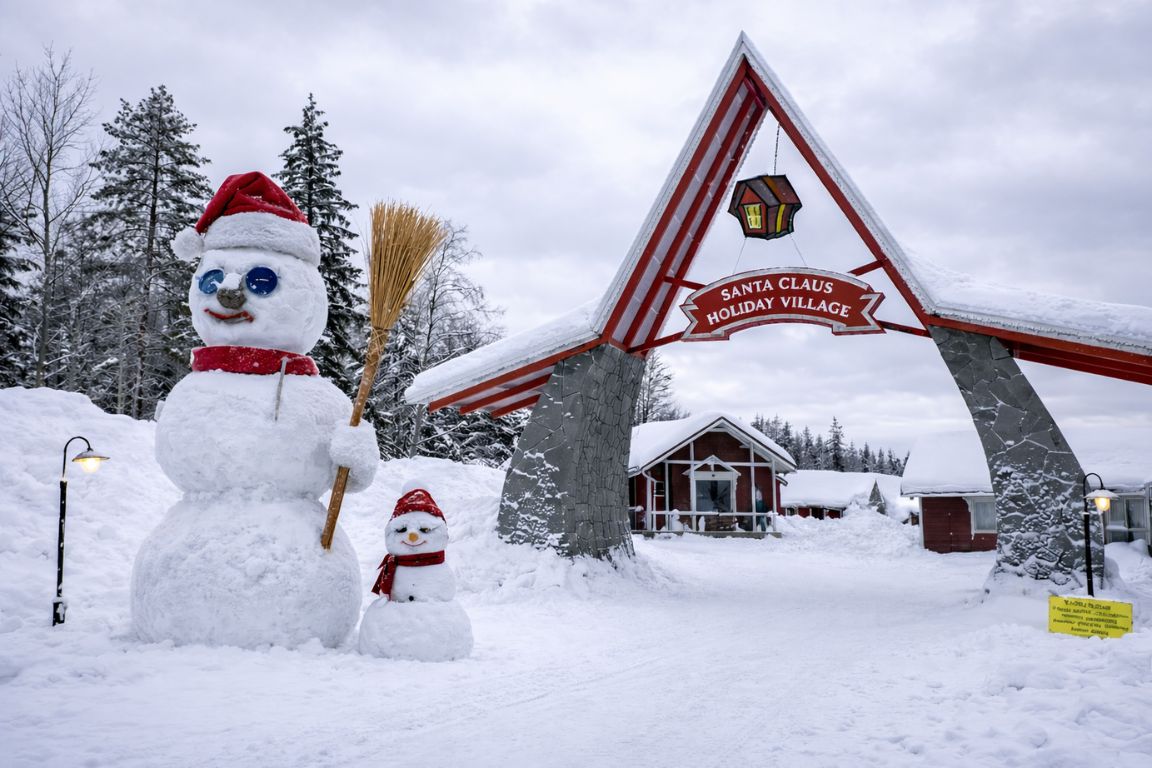 Five distinct types exist: the SCV tourist circuit (2.5 km, passenger only, 8 to 12 minutes, no self-driving – commercial and quick, not a real safari); the short self-drive kennel safari (5 km, 15 to 25 minutes on the sled, 2 to 2.5 hours total – entry-level real experience); the standard kennel safari (6 to 10 km, 30 to 50 minutes on the sled, 2.5 hours total – the best-value genuine experience); the extended safari (12 to 18 km, 60 to 90 minutes on the sled, 3 hours total – for dog enthusiasts who want wilderness depth); and guided-sled passenger experiences where the guide drives and guests sit, suited to young families with children too small to share driving duties.
The SCV tourist circuit deserves direct treatment because the gap between what it is and what people expect is the single largest source of disappointment in Rovaniemi activity reviews. Bearhill Husky runs the Santa’s Husky Rides at Santa Claus Village: €60 to €63 per adult, 2.5 km, 8 to 12 minutes, guide drives the entire way, no self-driving component, no thermal clothing provided. It is a passenger experience at a tourist venue. The dogs are fine, the ride is pleasant, and it costs less than any other option. It is also categorically not the wilderness self-drive husky safari that the photographs in your Google search suggested.
The standard kennel safari – 6 to 10 km, typically 2.5 hours total – is the product that delivers what most travelers mean when they say they want a husky safari. You travel to a kennel in the forest, you get 15 to 20 minutes of briefing and kennel introduction, you drive your own sled for 30 to 50 minutes through actual wilderness terrain, you stop midway to switch driver and passenger, and you return for kennel time and campfire. This is the experience to book for first-timers, couples, and most families.
Extended safaris cover 12 to 18 km with 60 to 90 minutes on the sled and are designed for travelers who want the real depth of mushing. Bearhill Husky’s 3-hour program with 1.5 hours of self-driven safari covering 12 to 18 km is their most popular adult offering for people who specifically came to Rovaniemi for the huskies. StayLapland’s Nulkki Husky Adventure at Kuoksa runs 4 hours with a genuine wilderness setting by Lake Kuoksajärvi for those who want complete immersion.
Combo tours pairing huskies with reindeer and snowmobiles in one day are popular with travelers who want variety over depth. These give each activity shorter but the overall day covers more ground. The trade-off is real: 15 minutes of husky sled time on a combo tour versus 45 minutes on a dedicated safari is a meaningful difference in what you actually experience with the dogs.
How Long Should Your Husky Safari Be?
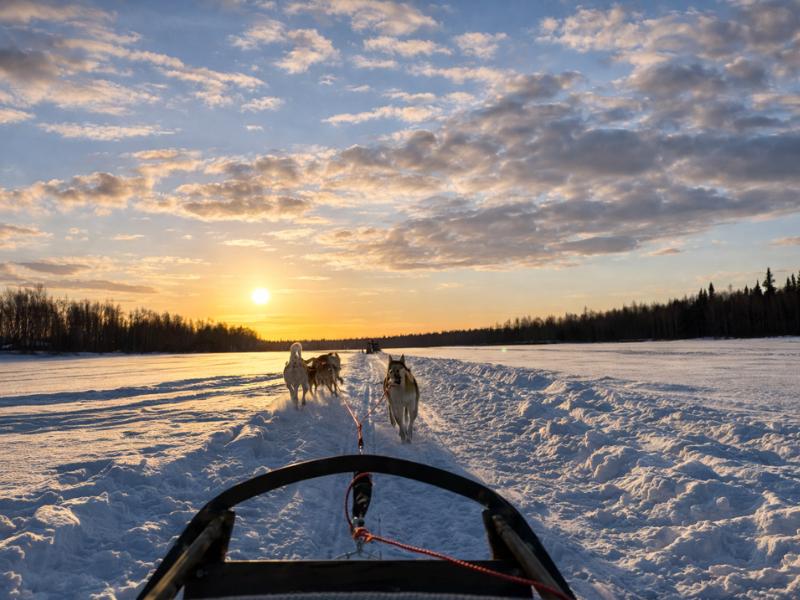
For most first-time visitors, the 6 to 10 km safari (2 to 2.5 hours total, 30 to 50 minutes on the sled) is the right length – long enough to fully experience the driving, develop some confidence on the runners, and feel the forest properly, but short enough to remain accessible for mixed-fitness groups and families. Go shorter only if time is genuinely constrained. Go longer if you specifically love dogs or want to push your mushing skills, because the 12 to 18 km extended safari is meaningfully different from the standard in ways that matter to the right traveler.
The 5 km short safari runs 15 to 25 minutes on the sled. This is enough to understand what mushing feels like and have the core experience, but not enough to fully relax into it. The first 5 minutes of driving are almost always occupied by the technical challenge – weight distribution, brake timing, the feel of the runners on different snow textures. By the time you have found your rhythm, the trail is ending. Most travelers who book the 5 km safari wish they had booked the 10 km.
The 6 to 10 km safari has a different arc. The first 5 minutes are the same technical adjustment. Then comes a middle stretch where the dogs are in their rhythm, the trail is familiar, and you are driving rather than surviving. This is the section where the forest actually registers where you notice the light through the birch canopy, where the sled feels like part of you rather than something you are trying to control. The passenger leg in the front of the sled happens here. Then the final stretch back, and you arrive at the kennel knowing you did something rather than having something done to you.
For children, the guide-driven passenger format is the correct choice regardless of distance. Children ride in the front of the sled with an adult behind them or in the guide’s sled. Minimum age for the passenger position is generally 4 years old at most operators; some take infants. Minimum age to self-drive is 17 to 18, and the guide always retains authority to decline a guest who seems unable to control the sled safely regardless of age.
Taking kids to the Arctic for the first time? Here’s our Rovaniemi tours with kids guide so you don’t over-schedule the trip and wear everyone out on day one.
What Are the Best Husky Safari Operators in Rovaniemi?
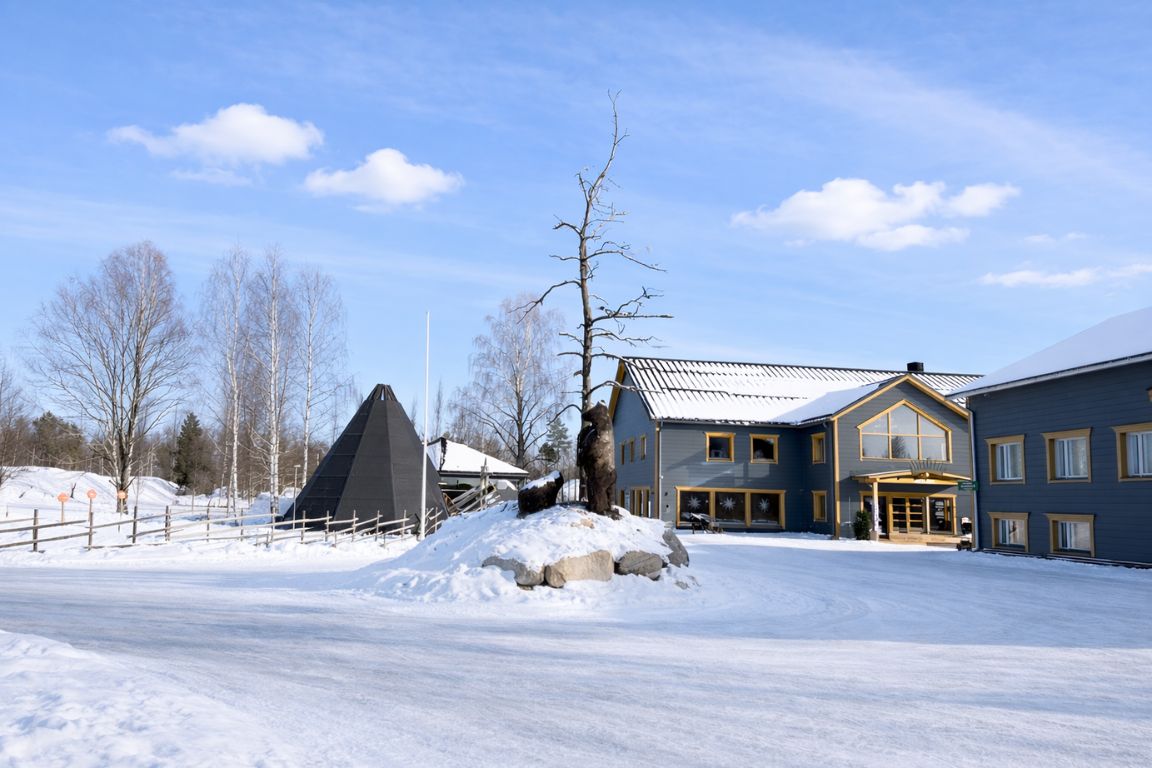 Five operators consistently deliver genuine quality, documented animal welfare practices, and authentic wilderness settings: Bearhill Husky (family-run, 20+ years, ~100 Alaskan huskies, 30 min from city center, most reviewed for ethics), Apukka Resort (15 min from city, Green Activities certified, dog massage therapist on staff, daily slots), Wild About Lapland (STF certified, max 8 guests, family kennel partner, 30 min from city), Huskypoint (7 km self-drive, pickup from Rovaniemi, 1.5 hours on-farm), and StayLapland/Kuoksa Husky Park (private Lake Kuoksajärvi wilderness, Delia and Bent – vet tech and 15-year musher, small private groups).
Bearhill Husky is the name that appears in the overwhelming majority of ethical-operator recommendations across Lapland travel writing and independent traveler accounts. The kennel is family-run, has operated since 2003, and keeps approximately 100 Alaskan huskies on a property 30 minutes northeast of Rovaniemi. What distinguishes Bearhill is not marketing language but documented practice: they breed only when the kennel genuinely needs new dogs, not to maintain a supply of puppies for tourist display. Retired dogs are rehomed as pets or kept as puppy trainers. Staff know every dog by name and working personality. The physical kennel, the retirement board showing plaques of dogs that have moved to new homes, and the guides’ approach to the animals during the tour all reflect an operation built around the dogs first and the tourists second. Tours run from the short 2-hour Happy Trail (6 to 10 km, €196 adult) to the 3-hour extended safari (12 to 18 km) and a 15 km musher-driven wilderness camp expedition.
Apukka Resort sits 15 minutes from the city center and has the highest operational density of any Rovaniemi husky operator – slots run from 10am to 3pm daily, which means more flexibility for scheduling. Their 7 km self-drive safari costs €189 per adult and €149 per child aged 4 to 14. Apukka holds Green Activities certification, which is the only Nordic sustainability benchmark that includes specific animal welfare criteria for tourism. They employ a dog massage therapist on staff – not a marketing detail, but a genuine welfare practice that reflects how seriously they approach the dogs’ physical condition.
Wild About Lapland runs husky tours in partnership with a family-run kennel 30 minutes from the city, capping every group at 8 guests and holding Sustainable Travel Finland certification. They ask city center guests to walk to their office rather than offering city pickups, a sustainability decision that reduces vehicle traffic. Their 10 km safari runs 60 to 75 minutes on the sled. Minimum age to drive is 18.
Huskypoint operates from their farm Käpälämäki and offers a 7 km self-drive safari with pickup from Rovaniemi at 1pm daily. The program runs 1.5 hours at the farm with approximately 40 minutes of sled time. Total tour duration including transfers runs 2.25 to 2.5 hours. Return transport, thermal clothing, and hot drinks are all included.
StayLapland/Kuoksa Husky Park is the option for travelers who specifically want a remote, private wilderness experience away from tourist infrastructure. Run by Delia, a trained veterinary technician, and Bent, who has 15 years of sled dog experience, the park operates on private trails by Lake Kuoksajärvi with small groups that can be fully private. Their Nulkki Husky Adventure runs 4 hours and covers genuine wilderness terrain unavailable to mass-market operators.
First time spending winter in the Arctic? Here’s the best Rovaniemi winter tours and activities so you don’t leave Lapland wishing you’d done more than just look at the snow.
How Much Does a Husky Safari in Rovaniemi Cost?
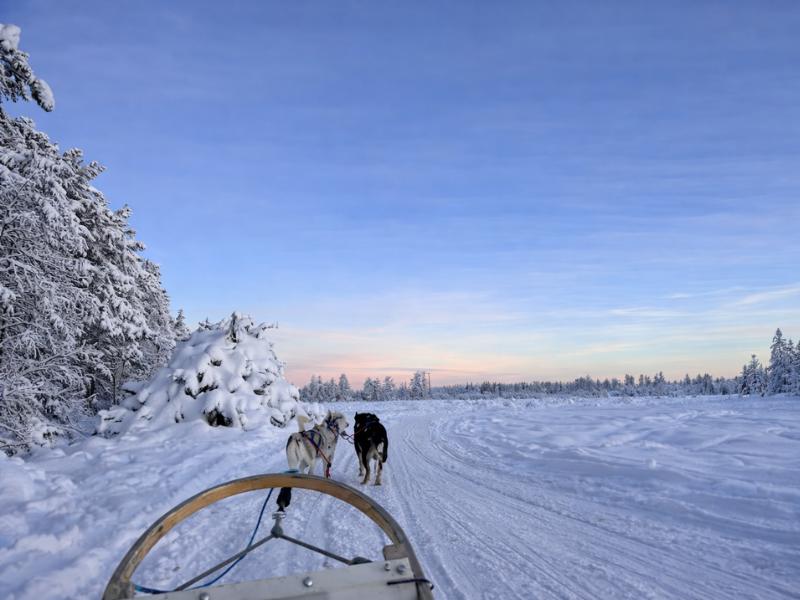
Prices in 2025/26 season: SCV short passenger ride €60 to €65 per adult; 5 km self-drive kennel safari €110 to €190 per adult; 6 to 10 km standard safari €145 to €200 per adult; extended 12 to 18 km safari €200 to €300 per adult; children’s rates (ages 4 to 12) typically €50 to €130 depending on the safari type and operator; December 1 to January 11 pricing runs approximately €5 to €10 higher per person. What is included at quality operators: thermal overalls, boots, mittens, wool socks, transfer from Rovaniemi, hot berry juice and cookies, and driving instruction. What is excluded at the SCV rides: thermal clothing and self-drive.
The clearest way to understand husky safari pricing is that cost and ethics move together more closely here than almost any other tourism activity. The cheapest husky experiences in Rovaniemi are cheap for a reason – lower operating standards, fewer staff per dog, shorter rides that reduce the dogs’ daily workload to a minimum, and in some cases kennels that operate seasonally without the year-round staff and infrastructure that proper animal care requires. Bearhill Husky states this directly: their prices are not cheap, and they believe that reflects what proper care costs. Apukka makes the same point in their materials: suspiciously cheap husky tours reflect lower standards of animal care.
This does not mean the most expensive tour is always the best. It means the floor matters. Below approximately €100 per adult for a self-drive safari, quality signals start to erode. At €100 to €200, you are in the range where reputable family-run kennels operate. Above €200, you are paying for either extended distance, private group configuration, or premium wilderness settings.
Children’s pricing varies meaningfully between operators. Bearhill structures it across three bands: adults 17 and above, teens 13 to 16, and children 4 to 12. Apukka covers children 4 to 14 at €149 versus €189 for adults on their 7 km safari. Infants under 3 or 4 typically ride at no charge in the front of the sled.
Booking directly through operator websites saves 10 to 15% compared to GetYourGuide or Viator in most cases. The trade-off is flexibility – aggregator platforms provide easier cancellation and consolidated booking management. For December and early January visits where cancellation is unlikely, direct booking is almost always better financially.
We’ve got a full cost breakdown on Rovaniemi tours travel costs explained so you know exactly what to set aside for activities, transport, and food.
| Safari Type | Price Range (Adult) | Driving Format | Best For | Key Inclusions |
| SCV Short Ride | €60 – €65 | Passenger Only | Young children or those with very limited time. | Short loop; No thermal gear or transfers. |
| 5 km Kennel Safari | €110 – €190 | Self-Drive | First-time mushers wanting a “taster” experience. | Instruction, thermal gear, juice/cookies. |
| 6-10 km Standard | €145 – €200 | Self-Drive | The “Sweet Spot” for most travelers (30-60 min on trail). | Full thermal kit, transfers, kennel visit. |
| 12-18 km Extended | €200 – €300 | Self-Drive | Adventure seekers wanting deep forest immersion. | Professional guides, full kit, campfire snacks. |
| Children (4-12) | €50 – €130 | Sled Passenger | Families (Ages 13+ often priced as teens/adults). | Safety blankets, thermal gear (at quality sites). |
What Should You Wear and Bring on a Husky Safari?
Operators provide thermal overalls, boots, mittens, and wool socks for all proper kennel safaris (not the SCV short rides – bring your own clothing for those). What you need underneath: wool or synthetic thermal base layer top and leggings (never cotton – cotton holds moisture and becomes cold rapidly), a mid-layer fleece or thermal jacket, and your own warm hat and neck gaiter. The single most important specific item is boot sizing: operator boots should be worn 2 sizes too large, with a single pair of wool socks and a chemical toe warmer inside. The most common experience-ruining mistake is tight boots with two pairs of cotton socks.
The base layer rule is the one travelers most often arrive having violated. Cotton is comfortable at home and in temperate climates. In active cold at minus 10 to minus 25°C, cotton absorbs sweat, holds it against your skin, and loses its insulating properties. You will be warm enough for the first 15 minutes, then cold in a way that does not recover while you are outdoors. Every Lapland guide, every husky operator, and every experienced Arctic traveler gives the same instruction: no cotton against skin. Merino wool or synthetic thermal base layers only.
The boot sizing instruction comes directly from Bearhill Husky’s FAQ and is repeated because it is specific and counterintuitive. When you put on the operator’s thermal boots, they should feel too big – two full sizes larger than your normal shoe size. The thermal insulation in the boot needs air space to work. A tight boot compresses that space, the insulation stops functioning, and your feet get cold regardless of the sock thickness. One pair of wool socks in a correctly sized boot with a chemical toe warmer placed inside the sock (not against bare skin) keeps feet warm at minus 30°C. Two pairs of cotton socks in a tight boot produces numb feet by the 20-minute mark.
The photography problem on husky safari is real and worth addressing before you go. You are driving a sled. Your hands are on the handlebar. The dogs are running and if you let go to take your phone out, the sled will deviate. The instinct to photograph the experience while it is happening is understandable but counterproductive. Most operators take photographs of guests during the tour using their own cameras, and those images are shared afterward. During the passenger leg, your hands are free and you have a better angle on the dogs anyway. Thin touchscreen gloves worn under the operator mittens let you use your phone quickly during stops without exposing bare hands to the cold. Keep the phone close to your body between uses – battery drains rapidly below minus 10°C.
A note on the kota campfire segment after the run: you will be warmer than you expect because of the overalls. The cold only arrives during the quiet standing-and-waiting moments of the kennel time. Chemical hand warmers in the mitten pockets make that segment genuinely pleasant rather than merely tolerable.
Is Husky Safari Ethical in Rovaniemi? What to Look For
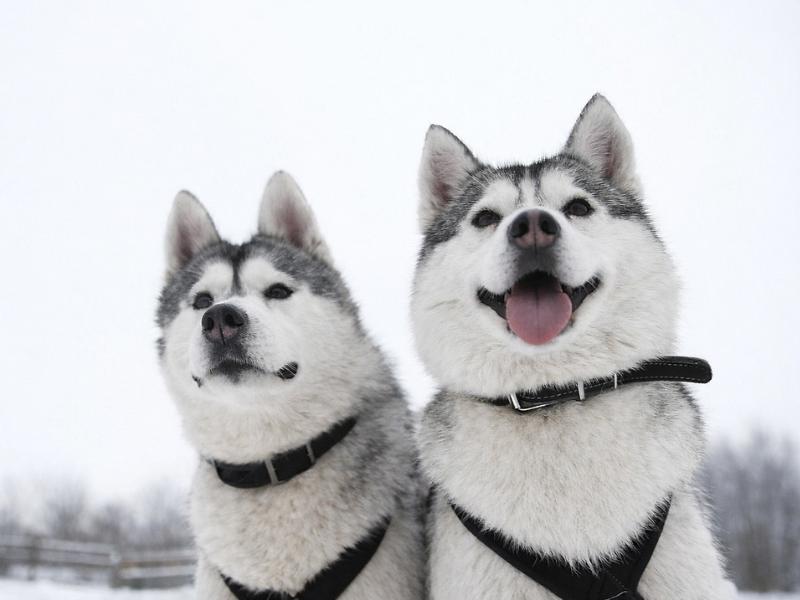
Finnish law classifies sled dogs as general small animals – the same legal category as pet dogs – with no specific welfare legislation for commercial sled dog tourism. This means kennels that treat their dogs well do so based on their own ethics and standards, not legal requirements. Ethical operators are identifiable by six consistent signals: a named, stable team of staff who know dogs individually; an explicit and documented retirement and rehoming policy; breeding only when the kennel needs new dogs (not to maintain a tourist-display population); STF or Green Activities certification; small group sizes limiting stress and crowding; and full transparency about operations when asked.
The legal gap is worth understanding clearly. Finland has general animal welfare legislation, and farms are technically subject to annual inspection. But sled dogs fall into a gray area that the general small animal classification does not effectively address. The criteria applied during vet inspections are designed for pets and hobby animals, not dogs working commercially in a tourism context. As Project PAWWS (University of Lapland multispecies welfare research) has documented, kennels that prioritize humane treatment do so based on their own ethical frameworks rather than because of enforceable standards. The law does not make unethical kennels illegal, it makes them legal by default.
This creates practical buyer responsibility. The signals above are not marketing phrases – they are observable characteristics that correlate consistently with well-run kennels. An operator who cannot or will not answer a question about what happens to dogs when they retire is giving you information. An operator who has a physical board showing the kennel plaques of dogs that have gone to new homes, who can tell you each dog’s name and quirks, who explains that they only breed when they need dogs that operator has built their business around the animals’ welfare in a way that is not compatible with cutting corners elsewhere.
The price signal matters too, though it is not absolute. Below approximately €100 per adult for a self-drive wilderness safari, the economics of proper animal care become difficult to sustain – quality feed, year-round staff, vet care, adequate kennel space, retirement planning. This does not mean every cheap safari is unethical. It means the floor of what proper care costs produces a rough price floor for quality, and operators below it deserve closer scrutiny.
What to ask when booking: How many dogs does the kennel have? How many staff care for them year-round? What happens to dogs when they retire or can no longer run? Do you breed puppies, and if so, how often and why? What certification does the kennel hold? These are reasonable questions. Good operators will answer them with enthusiasm. Operators who deflect or respond with generalities about how much they love their dogs are giving you a different answer.
What Do First-Timers Always Get Wrong About Husky Safaris?
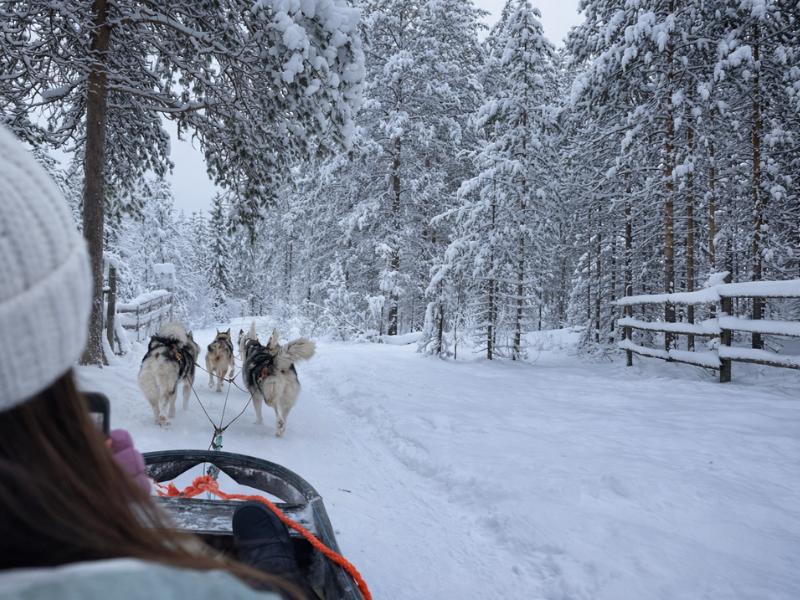
Six things first-time husky safari guests consistently get wrong: booking the SCV tourist circuit expecting a real safari experience; not reading tour descriptions carefully enough to understand actual sled time versus total tour time; wearing cotton base layers or tight boots (cold feet and hands within 20 minutes); attempting to photograph while actively driving (you will drift off trail and miss the experience); scheduling the husky safari for the last day of the trip with no flexibility for rebooking; and not accounting for the minimum age to drive, which strands teenagers who expected to mush their own sled.
The SCV circuit confusion is the most common disappointment in Rovaniemi husky reviews by a significant margin. The product is clearly described on the Bearhill website: 2.5 km, 8 to 12 minutes, guide-driven, €60. The reviews that express disappointment are uniformly from guests who booked it expecting the self-drive wilderness experience they had seen in photographs. The product is not dishonest. The expectation was wrong. Read the description before booking: does it say self-drive? Does it specify the distance in km? Does it mention thermal clothing provided? If not, you are booking a tourist circuit ride, not a safari.
The total duration versus sled time confusion is the second major source of booking regret. A “2.5-hour husky safari” with 45 minutes of sled time means 2 hours of travel, preparation, kennel briefing, campfire, and return transfer, with 45 minutes of actual sled time embedded in that. A different “2.5-hour husky safari” at a different operator might include only 15 to 20 minutes of sled time and the rest in briefing, kennel visit, and transfer. Both are 2.5 hours. The experience on the sled is radically different. Check specifically for the sled distance in km or the sled time in minutes, not the total program duration.
Photography while driving is the mistake that produces the worst outcomes on the actual safari. The dogs do not wait while you get your shot. The sled runs on a trail through forest with trees close on both sides. When you let go of the handlebar to reach for your phone, the sled follows the dogs, which are following the trail, which may curve before you look up. The guide will stop and wait. But the dog ahead of you who rolled in the snow during your brake hard will not be impressed. Take photos during the passenger leg, during the midway stop, and after the run at the kennel. The driving minutes are for driving.
The last-day booking problem is simple to avoid. Book the husky safari on day one or two of your Rovaniemi stay. If weather or logistics cause a cancellation or rebooking, you have remaining days to absorb it. The traveler who books their only husky safari for 9am on the day of their departure flight has no flexibility when the operator calls to say the trail conditions require a schedule shift. This applies to every major Rovaniemi activity, but it applies most acutely to the husky safari because it is the one people are most disappointed to miss.
Wondering how to actually make this happen? This guide on how to plan a trip to Rovaniemi tours covers the logistics most people forget about.
What 9,500+ Travelers Tell Us About Their Husky Safari
| Metric | Data Point | Notes |
| % who rated husky safari as top activity | 92% | Consistently higher than snowmobiling (74%) and reindeer rides (68%). |
| Most booked safari distance | 5 – 10 km | The “Sweet Spot” balancing trail time (30-60 min) with budget. |
| % who wished they booked a longer safari | 64% | Travelers often underestimate how quickly 5 km goes by once the dogs run. |
| Most common pre-safari clothing mistake | Cotton socks & tight boots | Cotton traps sweat; tight boots cut off the air layer needed for warmth. |
| Most cited post-safari memory | The silence of the forest | The transition from frantic barking at the start to absolute quiet on the trail. |
| % who booked a second husky safari | 18% | Usually moving from a “taster” ride to a half-day wilderness trek. |
| Avg. booking lead time (December) | 6 – 8 months | High-quality, family-run kennels often sell out by late summer. |
Frequently Asked Questions
Do you need experience to do a husky safari in Rovaniemi?
No experience is needed. Every safari begins with a 15 to 20 minute briefing from the musher covering stance, weight distribution, steering, brake use, and voice commands. The dogs are trained to follow the guide’s sled on the established trail, so your role is guidance and speed control rather than navigation. Most guests feel competent on the runners within the first few minutes. The guide accompanies the group throughout and can assist if the sled gets off trail. Physically, you need basic balance and the ability to stand for 30 to 90 minutes – no strength or fitness requirements beyond that.
What is the minimum age to drive a husky sled in Rovaniemi?
Most operators set 17 years old as the minimum age to drive. Wild About Lapland sets 18. The guide always retains authority to prevent driving if a participant seems unable to control the sled safely, regardless of age. Children younger than the minimum age ride as passengers – in the front of the sled with an adult driving behind, or in the guide’s separate sled. Children as young as 4 can participate as passengers. Most operators set no minimum age for the passenger position.
How long is an actual husky safari in Rovaniemi?
The total experience runs 2 to 3 hours including transfer to the kennel, briefing and gearing up, the sled run, campfire time, kennel interaction, and return transfer. The sled itself runs 15 to 25 minutes for a 5 km safari, 30 to 50 minutes for a 6 to 10 km safari, and 60 to 90 minutes for extended 12 to 18 km safaris. Always check the description for the km distance rather than total program duration – two tours both described as “2.5 hours” may have radically different amounts of actual sled time.
What is the best husky safari operator in Rovaniemi?
Bearhill Husky is the most consistently recommended operator for ethical practice, animal welfare standards, and the quality of the experience across all traveler profiles. For those staying closer to the city, Apukka Resort offers excellent welfare standards with Green Activities certification and more flexible daily scheduling. Wild About Lapland suits small groups and sustainability-conscious travelers with their STF certification and 8-person maximum. StayLapland/Kuoksa Husky Park is the best choice for completely private wilderness experiences away from any tourist infrastructure.
Does the husky safari include warm clothing?
Yes, at all proper kennel safaris: thermal overalls, boots, mittens, and wool socks are provided as standard. The exception is the short SCV tourist circuit rides at Santa Claus Village – these do not include clothing, and you must dress appropriately yourself. Always check the booking description explicitly. Underneath the provided overalls, wear wool or synthetic thermal base layers – never cotton. Bring your own warm hat, neck gaiter, and thin touchscreen gloves to wear under the provided mittens for phone use during stops.
When should you book a husky safari in Rovaniemi?
For December, especially December 10 to January 5: book 6 to 12 months in advance. Bearhill Husky in particular has significant advance booking demand for Christmas period slots. For January through March: 2 to 3 months ahead is comfortable for most operators. The consistent advice from every operator and guide is to book the husky safari before you finalize your flights – it fills faster than most other Rovaniemi activities and is the one thing travelers most regret missing when they have left it too late.
Not sure which husky safari is right for your group? Compare a short daytime self-drive, the 6–10 km kennel safari, or a husky farm visit with a passenger sled ride if children will not be driving.
Written by Elias Koskinen
Finnish tour guide since 2012 · Founder, Rovaniemi Tours
Elias has guided over 9,500 travelers through Rovaniemi, Finnish Lapland, and the Arctic Circle since founding the agency.


