Best Time to Visit Rovaniemi
When is the best time to visit Rovaniemi? Compare winter for Northern Lights, spring for balance, autumn for value, and summer’s Midnight Sun to plan your perfect trip.
Use the month to choose the kind of experience first. A winter sled ride, dark-season aurora hunt and summer river outing are different trips, not interchangeable dates.
Choose snow-season huskies, an eight-hour aurora window, summer canoeing or a Ranua wildlife day. The calendar checks schedules; it does not promise weather or availability.
Last updated: April 9, 2026
Rovaniemi Season Overview at a Glance
| Season | ||||||
|---|---|---|---|---|---|---|
| Deep Winter | Dec-Feb | -10°C to -30°C | Excellent | Deep | Peak (Dec) / Moderate (Jan-Feb) | High-Very High |
| Snowy Spring | Mar-Apr | -5°C to -15°C | Very Good | Maximum depth (Mar) | Low-Moderate | Moderate |
| Spring / Thaw | May | +5°C to +15°C | None | Melting | Low | Low |
| Midnight Sun | Jun-Jul | +15°C to +25°C | None | None | Moderate | Moderate |
| Late Summer | Aug | +10°C to +20°C | Possible (late Aug) | None | Low | Low-Moderate |
| Ruska (Autumn) | Sep-Oct | 0°C to +10°C | Good-Very Good | None to patchy | Low | Low |
| Early Winter | Nov | -5°C to -15°C | Possible (unreliable) | Building (variable) | Low-Moderate | Moderate |
Temperature data sourced from Finnish Meteorological Institute records. Prices verified April 2026.
When Is the Best Time to Visit Rovaniemi for the Northern Lights?
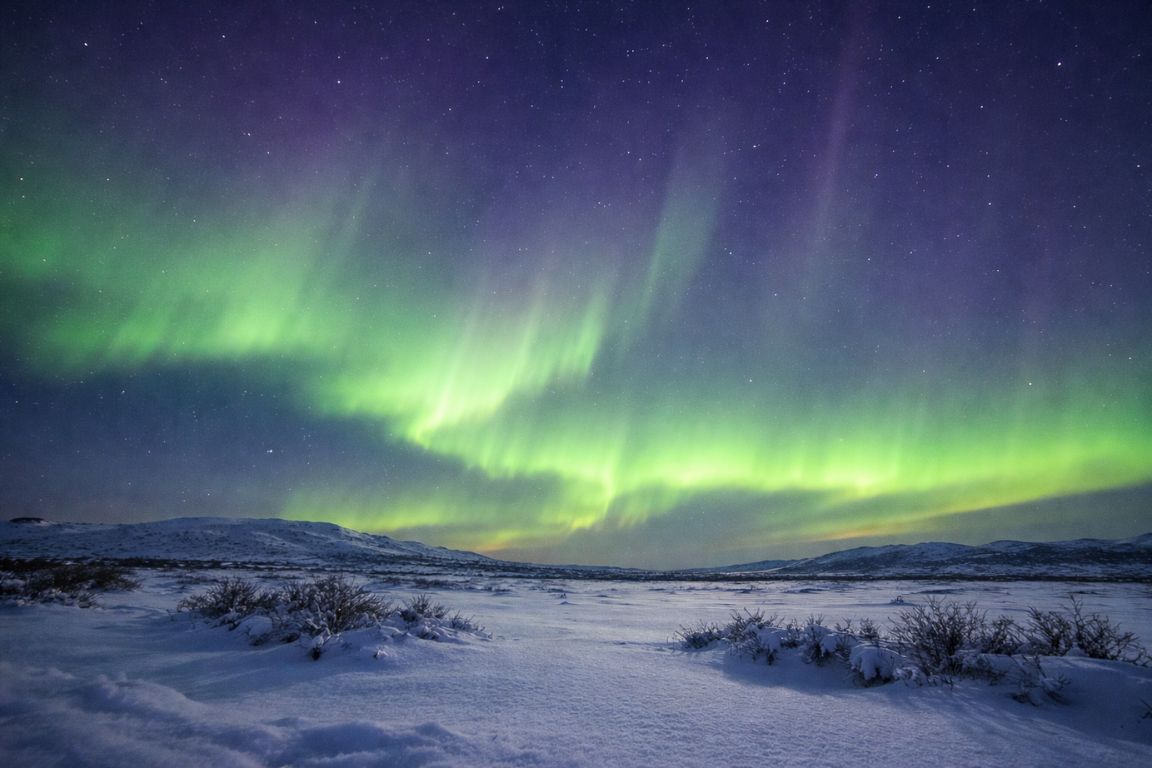 The aurora season runs from late August to mid-April but not all months are equal. February and March consistently produce the best combination of dark nights, clearer skies, and strong geomagnetic activity boosted by the spring equinox effect. September and October are excellent for aurora with milder temperatures and a fraction of winter pricing. December and January have the longest darkness but also the most cloud cover and the highest costs.
Here is the thing about aurora hunting that most articles skip past: darkness is not the limiting factor in Rovaniemi. The city sits at 66.6° magnetic latitude, well inside the auroral oval. On clear nights from late August through April, the lights are active more often than not. The variable that kills most aurora trips is cloud cover, not solar activity or the calendar date.
December and January maximize the hours of darkness – as few as 2.7 hours of actual daylight in December’s depths, and 18 to 20 hours of usable dark sky in January. That sounds ideal. The problem is that both months carry the heaviest cloud frequency of the aurora season. Local operators here who have been tracking this for years have noticed the same pattern: December and January produce the most clouds, February and March the clearest skies.
The Finnish Meteorological Institute‘s own data supports what aurora guides observe on the ground. The equinox effect, a geomagnetic phenomenon tied to Earth’s orientation relative to the sun, peaks in September/October and again in March/April, producing stronger and more frequent displays during those windows. March in particular delivers a combination that is hard to beat: snow still thick, winter activities fully running, nights dark enough for aurora, days long enough for wilderness skiing or snowmobile runs, and cloud cover significantly reduced from January’s peak.
If you’d rather hand the aurora logistics to a guide who follows the weather, the aurora hunt with a viewing guarantee and unlimited mileage is set up to move the group to wherever clear sky opens up.
Wondering why some visitors see the Northern Lights every night and others miss them completely? This guide on the best time to see Northern Lights in Rovaniemi tours covers the timing and weather factors most people don’t research until after they’ve booked.
What Is Rovaniemi Like in December and January?
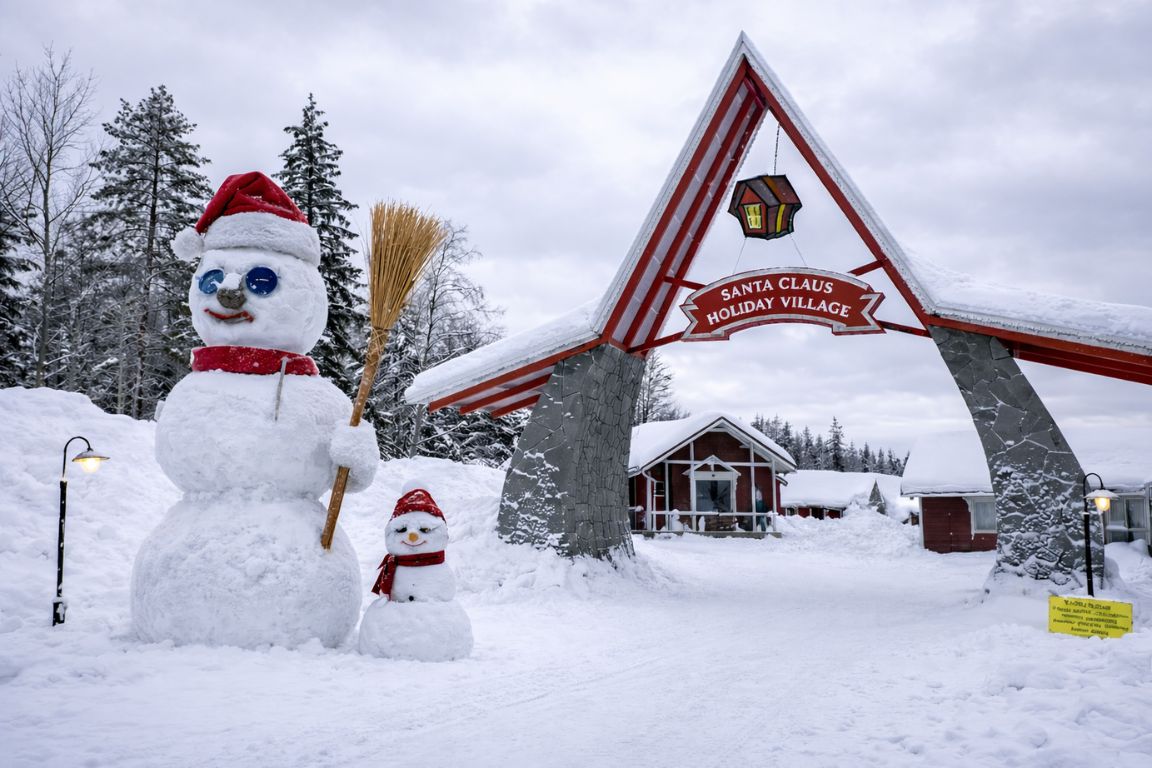 December is the Christmas season – festive, overpriced, and heavily crowded between December 15 and January 5. January is the opposite: the coldest and darkest month, with temperatures regularly hitting minus 25 to minus 30°C, a fraction of December’s crowds, and the deepest snow of the early season. December suits families chasing the Christmas experience. January suits travelers willing to face real cold in exchange for genuine quiet and long aurora windows.
December Rovaniemi is a specific product. The lights, the Santa Claus Village energy, the reindeer in snow, the whole atmosphere of polar Christmas – it is real, and it is genuinely magical for the right traveler. But the experience arrives with caveats that brochures rarely mention. Hotel prices triple or quadruple from mid-December. Popular tour operators fill 8 to 12 months in advance. Cloud cover is at its heaviest of the season, reducing clear sky frequency for aurora hunting. And the city, which has a resident population of around 66,000 people, receives over 700,000 visitors annually at Santa Claus Village alone – most of them concentrated in one six-week window.
January is a different country. The tourists thin dramatically after January 5. The forest gets quieter. Temperatures drop to their yearly minimum, regularly touching minus 25 to minus 30°C and in extreme years pushing minus 40°C. This is genuinely cold. Exposed skin suffers in minutes. Standing still on a snowmobile tour at minus 28°C with a wind chill is an experience that requires proper preparation, not optimism.
What January gives back for that discomfort is tykky. When temperatures stay consistently below freezing for weeks, the trees accumulate layers of snow and ice until they look like frozen sculptures. The Lapland forest in January looks nothing like photographs you have seen anywhere else. Thick white columns where birch trees used to be. Silence so complete you can hear your own heartbeat. Aurora displays that on strong nights fill the sky entirely, green and sometimes purple, while the snow reflects the color back up from below. For travelers who prepare for the cold and embrace it, January is one of the most extraordinary months to be in Finnish Lapland.
Not sure if December is worth the premium prices and packed tour schedules? Check out our Rovaniemi tours in December guide on crowds, prices and what to expect before you commit to peak season.
Why Do So Many Experienced Travelers Prefer February and March?
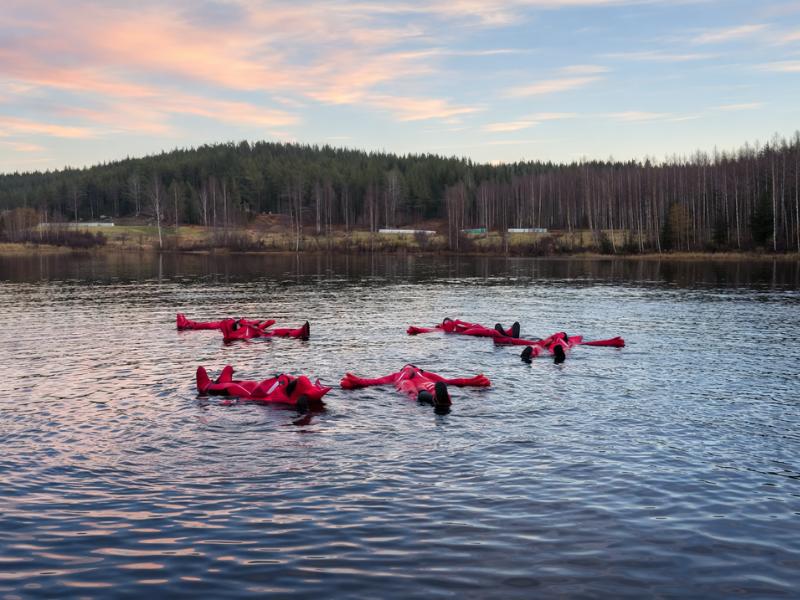
February and March deliver everything winter Rovaniemi promises, with fewer of the compromises. Skies clear more reliably than in December or January, giving aurora hunters better odds per night. Days stretch noticeably longer – over 8 hours by mid-February, over 12 by late March – so snowmobile and husky excursions happen in actual light rather than twilight. Snow depth reaches its annual maximum in March. Temperatures moderate slightly from January’s extremes. Prices drop significantly from December peaks.
After guiding thousands of travelers across all winter months, the pattern is consistent: the people who come back are often the ones who visited in February or March. Not because December is bad, but because February and March remove the friction. Fewer crowds means the husky farm guide spends real time with your group. Restaurants have your reservation. The aurora tour does not have 40 people packed into a bus.
March is the month we find ourselves recommending most often to first-time visitors who have flexibility. Snow is at its deepest – the ground cover that builds from November through March peaks at around 75 cm by late in the month. All winter activities run at full capacity. The equinox aurora effect brings stronger and more frequent displays. And the returning daylight creates something you cannot get in December or January: a snowmobile run through the forest in actual golden afternoon light, followed by an aurora hunt in a sky that turns dark by 7pm. The contrast in a single day is extraordinary.
February gets slightly less attention but deserves more. The polar night has ended. Daylight starts returning visibly. The snow is still pristine and deep. Temperatures are cold but fractionally less brutal than January. It is probably the most complete winter month for a traveler who wants everything: snow, cold, aurora, light, activities, and a functioning city that is not operating at Christmas capacity.
What Happens in Rovaniemi in Autumn (September and October)?
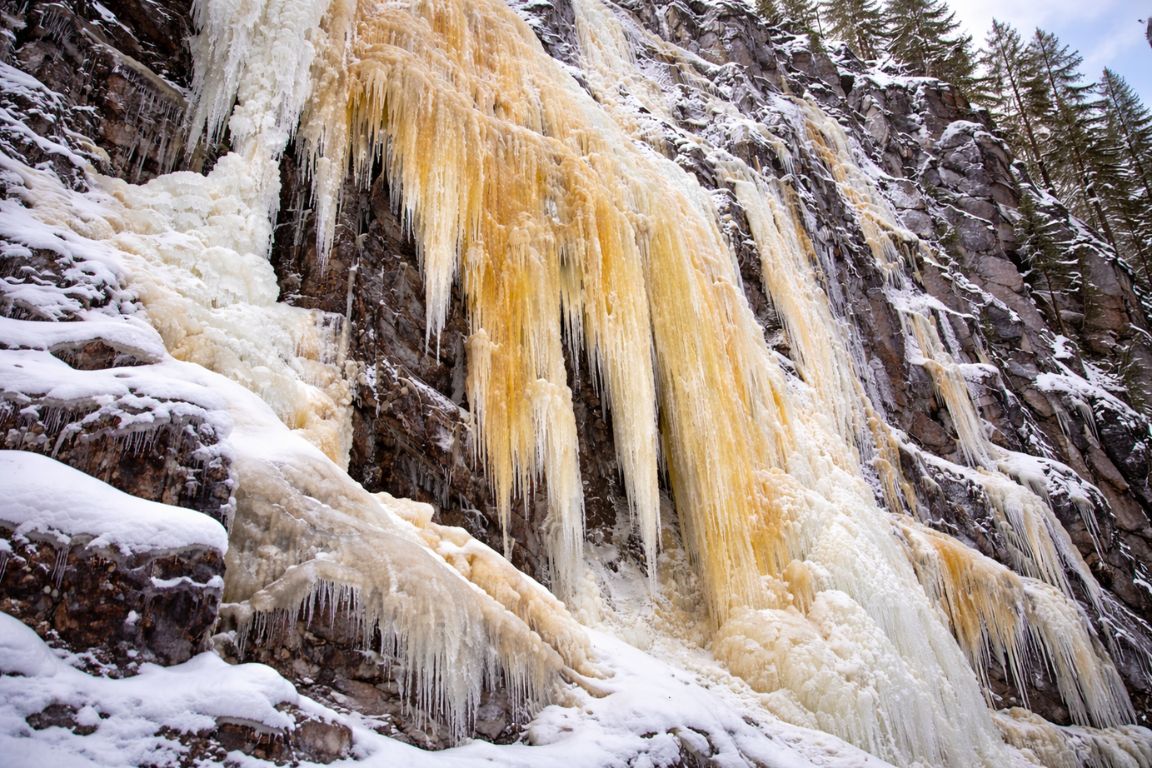 September brings ruska – Finland’s autumn foliage season – when the boreal forest turns red, orange, and gold across ground and canopy simultaneously. Aurora season restarts from late August, and September is among the statistically best months for sightings due to the equinox effect and clearer skies than deep winter. Temperatures sit at 5 to 10°C. Prices are among the lowest of the year. October is colder and darker with aurora odds improving further as nights lengthen, though snow is unreliable.
Ruska is not a concept that translates well into English. “Autumn foliage” does not capture it. In Finnish Lapland, the phenomenon affects not just the trees but the ground itself – the bilberry bushes, the heather, the mosses – so the entire forest floor blazes alongside the canopy. Locals call this maaruska, ground-ruska. Walking through it at first light on a clear September morning, with the frost just starting to form and the first aurora forecast already pinging on your phone for that night, is one of the less celebrated Rovaniemi experiences. It should not be.
From a pure aurora-mathematics perspective, September is one of the best months. The Russell-McPherron effect – the mechanism behind the equinox aurora boost – means geomagnetic activity peaks around the September equinox. Nights are dark enough from mid-September onward without being the oppressive near-total darkness of January. And cloud cover, which hampers December and January visibility, is typically lower in autumn. Some aurora guides report September as among their most successful months despite having fewer darkness hours than January.
October adds more darkness but also the first snow attempts. Whether it sticks depends heavily on the year – October snow in Rovaniemi is unreliable, sometimes arriving and disappearing multiple times before November commits. For travelers who want aurora without winter activities, October is a viable and considerably cheaper alternative to any month from November onward.
Questions before you commit? The Northern Lights chase with a full aurora guarantee is a concrete way to see how an autumn night is run.
Is Rovaniemi Worth Visiting in Summer?
 Yes, for a completely different experience. From June 6 to July 7, the Midnight Sun means the sun never sets – 24 hours of continuous daylight at the Arctic Circle. Summer Rovaniemi is warm (15 to 25°C), green, and far quieter than winter. No aurora is possible due to the perpetual light. Activities shift to hiking, canoeing, river fishing, and midnight sun photography. It is the best value season of the year by accommodation costs.
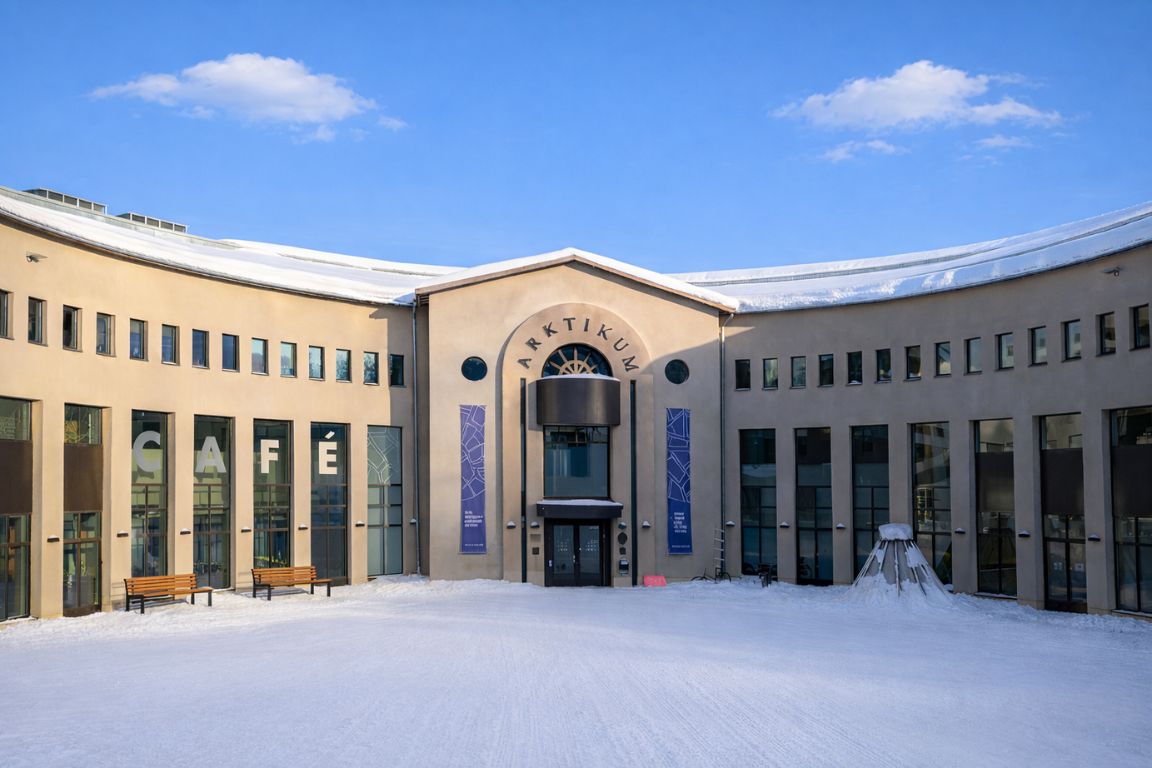
Summer Rovaniemi feels like a different destination. The same city that spends winter under a meter of snow and three hours of daily light becomes something else entirely: warm evenings, restaurants with outdoor terraces, reindeer calves on farms, hikers on Ounasvaara hill at 11pm with full daylight. The Arktikum museum is the same building with a completely different energy around it – riverbanks green, birch trees in leaf, the Ounasjoki running open and fast.
The Midnight Sun phenomenon is genuinely disorienting in the best way. After midnight, the sun dips low on the horizon and the light turns gold and warm and horizontal, catching everything sideways. It does not get dark. Your body clock becomes a suggestion rather than a rule. Sleep masks are not optional if you need darkness to sleep.
The trade-off is clear: no Northern Lights. None, until August darkness starts returning. Travelers who come to Rovaniemi specifically for aurora should not come in summer. But for everyone else – anyone interested in Arctic nature, midnight hiking, river activities, or simply visiting one of the world’s more unusual cities in its summer state – June and July are excellent and significantly underpriced relative to winter. The mechanics behind it are simple astronomy: Rovaniemi sits close enough to the Arctic Circle that Earth's axial tilt keeps the sun above the horizon for the whole night around the summer solstice, not a local weather quirk. The full explanation, with exact dates, lives on our midnight sun explainer. For a plain month-by-month look at temperatures and daylight hours across the whole year, not just summer, see the Rovaniemi weather guide.
One honest caveat: mosquitoes. Finnish Lapland in July is also mosquito season, particularly around lakes and forests. The city center is less affected. If you plan serious hiking or wilderness time in July, pack repellent and accept the company.
How Does Weather Affect Your Choice of Travel Dates?
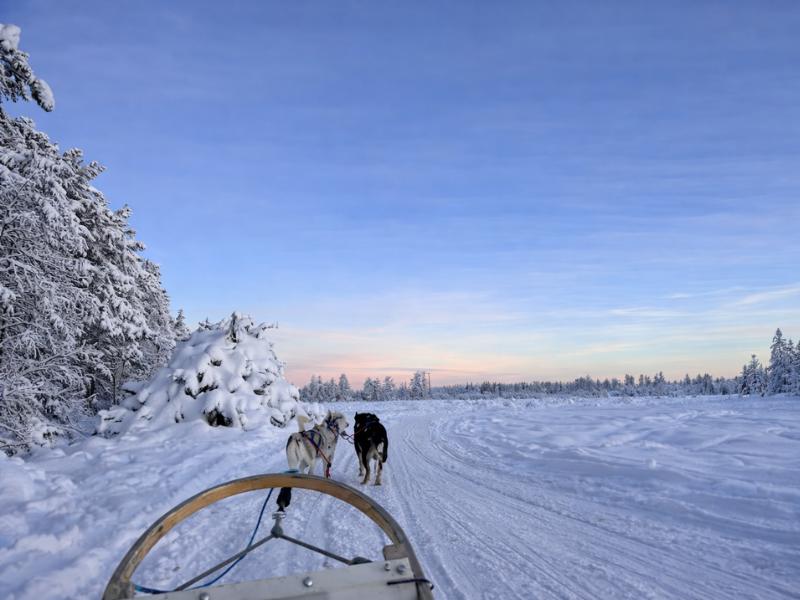
Cloud cover is the single most important weather variable for aurora hunters – more so than temperature or darkness. December and January tend to be cloudiest; February, March, September, and October tend to be clearest. For winter activities, extreme cold (below minus 30°C) occasionally causes tour cancellations. November brings unreliable snow and frequent fog. April can be icy underfoot as daytime thaw refreezes at night.
Travelers often think about Rovaniemi weather in terms of temperature. The guides think about it in terms of sky. A minus 30°C clear night in January is better for aurora than a minus 5°C overcast night in November. This is the framing that matters.
December and January are paradoxically the months with the most cloud cover despite being peak aurora season. The weather system that dumps snow and creates the winter wonderland aesthetic also brings overcast skies that block aurora views for days at a time. Some years, operators drive 400 to 800 km in a single night to chase clear sky. When it works, the result is spectacular. When it does not, guests with two or three nights see nothing despite genuine aurora activity overhead.
February and March tend toward drier, more continental conditions. Precipitation drops to its lowest levels of the year in those months (February averaging around 37 mm). Clearer, colder, drier air is exactly what aurora viewing needs. The Finnish Meteorological Institute’s own aurora forecasting service reflects this: the probability of a clear viewing window is measurably higher from February onward than in November, December, or January.
For activity-based travelers, extreme cold occasionally shuts down snowmobile and husky operations. Most operators have a threshold around minus 35°C. If January temperatures hit this floor – which happens in some years – a day or two of activity cancellations is possible. February and March rarely reach these extremes. This is another practical reason experienced guides lean toward late-season recommendations.
What Time of Year Has the Best Prices in Rovaniemi?
 May, June, August, and September offer the lowest accommodation and flight prices, often 50 to 70% below December peak rates. March and April represent the best value within the winter season: all activities running, aurora still possible, deep snow, and hotel rates significantly below the December-January window. January is mid-priced relative to winter – cheaper than Christmas but not cheap. February sits similarly.
The price architecture of Rovaniemi is worth understanding before you book. There are effectively three pricing tiers. Christmas peak (roughly December 10 to January 7) is the top tier – hotels can run two to four times their baseline rate, flights from European cities are fully priced, and activity operators have no incentive to discount. Mid-winter (January through February, mid-March) sits in the second tier – still premium, but meaningfully cheaper than Christmas and with better conditions for most travelers. Shoulder and summer months form the bottom tier, where rack rates are competitive with any European city of comparable size.
The single best value window for a winter Rovaniemi experience is the second half of January into February. Christmas crowds have cleared. Prices drop noticeably. Snow conditions are excellent. Aurora season is fully active. The extreme cold of mid-January can be managed with proper gear, and by mid-February it starts to moderate.
September is the single best value month for any traveler not specifically chasing snow activities. Aurora season has resumed. Ruska makes the landscape extraordinary. Temperatures are comfortable without serious cold weather gear. And prices reflect the shoulder season reality – accommodation that costs €400 per night in December often runs €100 to €150 in September. For the right traveler, this is where the value case for Rovaniemi becomes undeniable.
We’ve got a full cost breakdown on Rovaniemi tours travel costs explained so you know exactly what to set aside for activities, transport, and food.
If you’d rather pin timing to a real outing, check the aurora hunt with viewing guarantee or browse Northern Lights tours and match open dates to the month you want.
| Pricing Tier | Months | Estimated Cost | Market Conditions |
| Peak Tier | Dec 10 – Jan 7 | 100% (Baseline) | Highest annual rates; hotels 2x-4x baseline; no discounts; book 8-12 months early. |
| Winter Premium | Jan, Feb, mid-March | 60% – 75% of Peak | Mid-priced winter; meaningful drop from Christmas; full activity availability. |
| Winter Value | Late March, April | 40% – 50% of Peak | Best value for snow; rates drop significantly as “festive” demand fades. |
| Shoulder/Summer | May, June, Aug, Sept | 25% – 40% of Peak | Lowest rates of the year; 50%-70% below December; competitive with any EU city. |
Which Month Should You Avoid and Why?
November is the month with the most consistent disappointment for travelers who do not know what they are getting into. Snow is unreliable year to year, fog is frequent, aurora odds are lower than the winter months that follow, and prices are not low enough to compensate. May is the other difficult month: snow has melted, the landscape looks barren before summer greenery arrives, and it sits in the gap between winter activities and summer experiences. Neither is unvisitable, but neither delivers the experience most people travel to Rovaniemi for.
November has genuine defenders, and we understand why. The Christmas atmosphere builds through November, prices are lower than December, and some years bring early deep snow that makes it genuinely beautiful. The problem is that some years bring fog and rain and bare ground well into November. We have seen November 2022 arrive snowless and gray; November 2023 arrive with remarkable early snow; November 2024 warm again. Nothing is consistent. If you are willing to accept this gamble and the compensation is price, November can work. If you need reliability – either for activities or for the scenic winter landscape – wait until December or plan for a different month entirely.
May deserves honest acknowledgment. It is the “ugly duckling” month. Snow has gone but summer green has not yet arrived. The ground is brown and wet. Reindeer calves are being born, which is genuinely charming, and May Day (Vappu) celebrations add some energy. But it is not the month that converts travelers into lifelong Rovaniemi enthusiasts. The Finnish golf course opens in May and you can theoretically play at midnight once the daylight extends long enough which is either absurd and appealing or completely beside the point, depending on your interests.
What Is Rovaniemi Like Each Month of the Year?
Rovaniemi is fundamentally a different destination depending on when you visit. The Finnish recognize up to eight distinct seasons here rather than four. Each month has its own character, light conditions, activity set, and price point. Below is our month-by-month breakdown based on 13 years of guiding and observing this city across every season.
January
The coldest month. Average temperatures sit around minus 12 to minus 15°C with frequent drops to minus 25 or minus 30°C and extreme years pushing minus 40°C. Daylight starts at a mere 2 hours 44 minutes on January 1 and builds to around 6 hours by month’s end – still short, but noticeably growing by the last week. Snow is deep and reliable. Tykky conditions (snow-sculpted trees) are at their peak in forested areas. All winter activities run. Aurora windows are long. Cloud cover can be heavy. Christmas crowds have cleared, making it quieter and cheaper than December while maintaining full winter character. Best for: travelers who want serious winter immersion and can handle extreme cold.
February
Fractionally warmer than January – average daytime highs around minus 6°C – but still genuinely cold. The critical shift: daylight grows from 6 hours 22 minutes on February 1 to over 9 hours by month’s end. This returning light changes how the day feels. Snowmobile tours through the forest now happen in actual afternoon sunshine rather than blue twilight. All winter activities fully operational. Snowfall decreases and skies tend to clear more often than January or December, improving aurora odds. Snow depth remains excellent. Moderate crowds and prices below December levels. February is arguably the most complete winter month, balancing every variable in Rovaniemi’s favor. Best for: first-time visitors wanting the full winter package without December prices.
March
Our most frequently recommended month. Snow reaches its maximum annual depth in March – around 75 cm average coverage. Temperatures moderate to minus 5 to minus 15°C. Daylight climbs past 12 hours by late March. The equinox aurora effect boosts geomagnetic activity, creating strong and frequent Northern Lights displays during a window when skies are clearer than mid-winter. All winter activities run. Crowds remain manageable. Prices sit comfortably below December-January rates. For travelers choosing between any two winter months, March almost always wins on the merits. The final weeks of the month, when daylight is long and snow is still pristine, are among the most beautiful of the entire year. Best for: virtually every traveler type – aurora seekers, activity-focused visitors, families, photographers.
Want more than just standing outside in the cold hoping the sky lights up? Our guide on Northern Lights tours Rovaniemi walks you through the guided experiences that combine aurora hunting with reindeer sleigh rides, ice fishing, and wilderness camps.
April
A transitional month that rewards careful planning. Early April still carries winter conditions – aurora is possible until around mid-April, snow lingers, and some winter activities continue. The second half of the month sees daytime temperatures creeping above freezing, which turns trails icy at night as melt refreezes. Snowmobile and husky operations typically wind down by mid-April. The landscape enters the awkward between-seasons phase. Prices are low. Reindeer calves start appearing on farms, which is genuinely charming. A good month for travelers who specifically want late-season aurora and lower costs, but requires checking what remains operational. Best for: budget travelers and aurora chasers who missed the main season.
May
Spring arrives but does not announce itself prettily. Snow has melted, leaving a landscape that has not yet greened up – bare ground, muted colors, muddy trails in places. Temperatures climb to 5 to 15°C. The Santa Claus Golf Club opens, and you can play at midnight as daylight extends toward the midnight sun. Vappu celebrations on May 1 add energy. No aurora – nights are too bright. No winter activities. Mosquitoes have not yet arrived, which is a genuine positive. Accommodation is cheap. Best for: travelers who want Rovaniemi at its most affordable and least photogenic, or those specifically interested in spring nature and local culture.
June
The Midnight Sun begins around June 6 and the sun does not set until early July. Temperatures reach 15 to 20°C on average, occasionally pushing 25°C. The city becomes almost unrecognizably different from winter: outdoor terraces, river activities, hiking, forest trails in full green. Summer activities run – canoeing, fat biking, guided wilderness walks, river fishing. Mosquitoes arrive in the second half of the month. The Midsummer (Juhannus) celebrations are a major Finnish tradition. No aurora visible. Best for: travelers specifically interested in the Midnight Sun phenomenon, outdoor summer activities, or visiting Rovaniemi at its most relaxed and green.
July
The warmest month, averaging 20°C and occasionally reaching 25 to 27°C. The Midnight Sun season is ending by early July. Daylight at 21 hours on July 15 – still extraordinary. Lakes warm enough for swimming. Mosquitoes at their peak, particularly near water and forests. Rainfall is highest of the year. Activities continue from June. Santa Claus Village runs year-round. Prices moderate. City center is relatively quiet by tourist standards despite being summer. Best for: swimming, hiking, river activities, and anyone who wants to experience Finnish summer. Worst for: mosquito-averse travelers planning forest time.
August
Summer transitions toward autumn. Temperatures ease to 15 to 18°C. Days are still very long – 18 hours of daylight on August 1. From mid-August onward, genuine darkness starts returning to Lapland for the first time since spring. The first Northern Lights of the season can appear from mid-to-late August, though nights are still quite bright for most of the month. Berries ripen in the forests – cloudberries, bilberries, lingonberries – and foraging becomes a local pastime. Mosquitoes begin diminishing toward month’s end. Best for: travelers who want the tail of summer plus the first aurora opportunities of the new season.
September
One of the hidden gems of the Rovaniemi calendar. Ruska peaks in early-to-mid September: the entire boreal forest simultaneously turns red, orange, and gold, including the ground layer of bilberry and heather. Temperatures 5 to 10°C daytime. Aurora season fully active. The equinox effect boosts geomagnetic activity, and September is one of the two statistically best aurora months of the year. Skies tend to be clearer than deep winter. No snow yet. No mosquitoes. Low crowds. Low prices. Daylight runs 13 to 15 hours. The Rovaniemi Week cultural festival takes place in September. Best for: aurora seekers who want good odds without extreme cold, photographers, and any traveler who wants Lapland’s wilderness at its most colorful and affordable.
October
October deepens toward winter. Temperatures drop from roughly plus 5°C to near freezing by month’s end. Daylight shrinks from 11 hours to 8 hours. The ruska colors fade but aurora opportunities strengthen as nights grow longer. First snow attempts can arrive in October, though they are unreliable – some years bring proper snowfall, other years sleet and rain. Winter activity operators begin preparations but most are not yet running. Prices remain low. A good transitional month for aurora seekers comfortable with cold who want to avoid the winter premium. Best for: aurora-focused travelers on a budget, and anyone drawn by the atmosphere of Lapland entering its winter state.
November
The most variable and often most disappointing month for traveler expectations. Winter should arrive in November, and sometimes it does, spectacularly, with early deep snow and frozen forests. Other years November is foggy, rainy, and bare well into December. Cloud cover is frequently heavy, reducing aurora visibility. Daylight drops to 5 to 7 hours. Temperatures minus 5 to minus 15°C. Christmas preparations begin, adding some festive energy. Prices are lower than December. Winter activities are not reliably running yet. Best for: travelers with full flexibility who are genuinely happy to take what November gives them – beautiful if the snow comes, mediocre if it does not – and who prioritize cost above condition reliability.
December
The Christmas month. Rovaniemi fully inhabits the official Santa Claus hometown narrative – lights, elves, reindeer, festive markets, Santa Claus Village at its most magical and most crowded. Daylight at its minimum: 2 hours 26 minutes on December 15. Temperatures minus 10 to minus 20°C. Snow is reliable from December onward after the variable November. All winter activities run. Aurora windows are the longest of the year. Cloud cover is also at its heaviest, making clear-sky nights less frequent. Hotel prices are at their annual peak between December 15 and January 5, sometimes by a factor of three or four. Everything must be booked 8 to 12 months in advance for this period. Best for: families who specifically want the Christmas experience, and any traveler for whom the December atmosphere justifies the price premium and crowd levels.
| Month | Season Type | Daylight (Start/End) | Avg. Temp | Aurora Odds | Best For |
| January | Deep Winter | 2.75h – 6h | -12°C to -20°C | High (Long nights) | Extreme winter immersion & “Tykky” snow-sculpted trees. |
| February | Full Winter | 6h – 9h | -6°C to -15°C | Very High | All-rounder winter fun; sunnier and clearer than Jan/Dec. |
| March | High Winter | 9h – 13h+ | -5°C to -15°C | Peak (Equinox) | Top Recommendation. Max snow depth + long days. |
| April | Spring Crust | 13h – 16h | -2°C to +5°C | Moderate (Ends mid-month) | Budget travelers; seeing reindeer calves; late-season sun. |
| May | Muddy Spring | 16h – 21h+ | +5°C to +15°C | None (Too bright) | Cultural events (Vappu); lowest prices; no mosquitoes. |
| June | Midnight Sun | 24h Sun | +15°C to +20°C | None | Experiencing 24-hour light and Midsummer traditions. |
| July | High Summer | 21h – 18h | +20°C to +25°C | None | Swimming, hiking, and forest activities (if bug-resilient). |
| August | Late Summer | 18h – 15h | +15°C to +18°C | Low (Starts late Aug) | Berry picking and catching the very first Auroras of the year. |
| September | Autumn (Ruska) | 15h – 12h | +5°C to +10°C | Peak (Equinox) | Photographers; “Gold” forests; best non-snow Aurora odds. |
| October | First Frost | 11h – 8h | +5°C to -2°C | High | Budget Aurora seekers; watching the land freeze over. |
| November | Dark Winter | 8h – 5h | -5°C to -15°C | Moderate (Cloudy) | Flexibility; lower prices before the December rush. |
| December | Christmas | 5h – 2.5h | -10°C to -20°C | High (Longest windows) | Families; the ultimate festive/Santa Claus atmosphere. |
What Our 9,500+ Travelers Tell Us About Timing
| Metric | Finding | Notes |
| Most booked month (by our clients) | December | Driven by the “Official Hometown of Santa Claus” branding and festive holidays. |
| Highest satisfaction month (client feedback) | March | Higher ratings due to 12+ hours of daylight, warmer temps, and deep snow. |
| Aurora sighting rate – 5+ night stays | 88% | With the 2025-2026 Solar Maximum, this has peaked even during cloudy months. |
| Aurora sighting rate – 3 nights or fewer | 42% | A significant gamble; a single weather front can result in a total washout. |
| % of clients who’d visit in a different month | 35% | Most December visitors say they’d try March or September for their next trip. |
| Most common reason for switching from Dec | Crowds & Cloud Cover | December is statistically one of the cloudiest months, obstructing Aurora views. |
| Month with highest repeat visitor rate | September | The “Ruska” (autumn colors) and “Double Aurora” effect on open water. |
Frequently Asked Questions
What is the absolute best month to see the Northern Lights in Rovaniemi?
Based on the combination of aurora activity, sky clarity, and practical conditions, February and March are our strongest recommendations. The spring equinox effect boosts geomagnetic activity, skies tend to clear more reliably than in November through January, snow conditions are excellent, and all winter activities run at full capacity. September is a close second for travelers who want aurora without the extreme cold or the winter price premium.
Is December actually a bad time to visit Rovaniemi?
December is not bad, it is specifically very good for the Christmas experience and specifically challenging for everything else. If meeting Santa in a snow-covered village, experiencing the polar night atmosphere, and being part of one of the world’s most concentrated Christmas destinations is your goal, December delivers it. If your priority is value, quiet, aurora odds, or avoiding crowds, another month will serve you better. December’s problems are cost, cloud cover, and crowds – none of which are deal-breakers if you know what you are booking into.
Can you see the Northern Lights in Rovaniemi in September?
Yes. The aurora season begins in late August, and September is one of the statistically best aurora months of the year due to the Russell-McPherron equinox effect. Nights are dark enough from mid-September onward for clear sightings. Cloud cover in September tends to be lower than in December and January. The trade-off is that there is no snow in September, so winter activities like husky or snowmobile tours are not running.
How cold does Rovaniemi get in January and February?
January averages minus 12 to minus 15°C with frequent drops to minus 25 to minus 30°C, and in cold years occasional readings of minus 35 to minus 40°C. February is fractionally warmer on average but still regularly reaches minus 20 to minus 25°C. The dry Arctic air makes these temperatures feel different from damp cold at similar readings further south – many travelers find minus 20°C in Rovaniemi more manageable than minus 5°C in a coastal city. Proper layering makes both months accessible to most travelers.
When does snow reliably cover the ground in Rovaniemi?
Snow cover becomes reliable from December onward, building through January, February, and peaking in March at around 75 cm average depth. November snow is highly variable year to year. October snow is possible but often temporary. The ground is typically clear of snow by April, though late-lying patches persist into early May in sheltered forest areas.
What is ruska and when does it happen in Rovaniemi?
Ruska is the Finnish term for autumn foliage season – the period when cooling temperatures trigger simultaneous color change across the boreal forest, including both the tree canopy and the forest floor (maaruska). In Rovaniemi, ruska typically peaks in early to mid-September, though the exact timing varies slightly year to year with temperature. It is considered one of the most spectacular visual phenomena the region offers, and September ruska combined with the returning aurora season creates a particularly compelling visit window.
Not sure which month is right for your specific goals? Compare Northern Lights tours if aurora is the priority, or the reindeer, husky and Santa Claus Village day tour if you are planning a winter activity day.
Written by Elias Koskinen
Finnish tour guide since 2012 · Founder, Rovaniemi Tours
Elias has guided over 9,500 travelers through Rovaniemi, Finnish Lapland, and the Arctic Circle since founding the agency.


