How to Plan a Trip to Rovaniemi
Planning a winter trip to Rovaniemi? Discover when to go for snow and Northern Lights, how early to book, daily costs, and whether you really need a car.
Choose one priority outing, check its full duration and transport, then build your free time around it. Summer experiences and winter sledding require different plans.
Allow four hours for the longer husky safari, eight for a flexible aurora night, five to six for Ranua or three for a summer canoe evening.
Last updated: April 9, 2026
Rovaniemi Quick Facts
| Category | |
|---|---|
| Location | Arctic Circle, Finnish Lapland (66°N latitude) |
| Aurora Season | Late August to early April (peak: Nov-Feb) |
| Winter Temperatures | -10°C to -25°C typical; can reach -35°C |
| Direct Flights | 41+ European cities (winter 2024–2025, source: visitrovaniemi.fi) |
| Recommended Stay | 5-7 days minimum for aurora odds and activities |
| Daily Budget Range | €75 budget / €280 mid-range / €950+ luxury (per person) |
| Airport to City Center | ~10 min by taxi; Airport Express bus €8 (verified April 2026) |
| City Center to Santa Village | 8 km, Bus #8 (€3.60 single, verified April 2026) |
| Currency | Euro (EUR). Finland is nearly cashless – cards everywhere |
Prices verified April 2026
When Is the Best Time to Visit Rovaniemi?
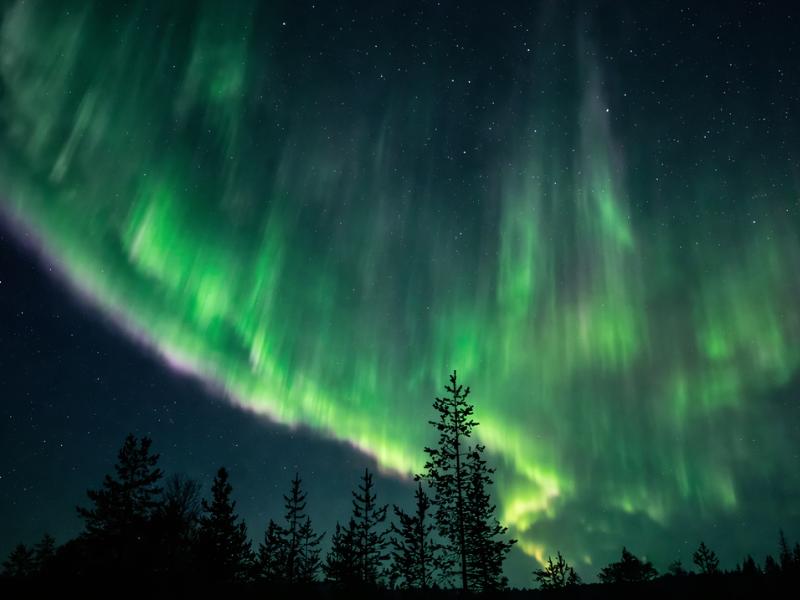
November through February delivers the full Arctic winter: reliable snow cover, 18+ hours of darkness for aurora watching, husky and reindeer safaris in operation, and temperatures cold enough to feel genuinely remote. March is arguably the sweet spot for many travelers: darkness still runs long enough for aurora sightings, days grow noticeably lighter, snow is at its deepest, and prices drop from the December peak. September and October offer aurora chances with gentler cold, but snow is unreliable.
The single biggest mistake travelers make is booking Rovaniemi for the two weeks around Christmas. Hotels charge three to four times the normal rate. Activities sell out a year in advance. Streets that feel magical in January feel like an airport terminal in December. We have guided travelers in every month of the winter season, and December 15 to January 10 is consistently the period that produces the most regret – not because the destination fails, but because the destination is overwhelmed.
January is the coldest month. Temperatures regularly hit minus 25 to minus 30°C, and some nights push lower. If that sounds extreme, consider that this is also when the skies are clearest, the forest is absolutely silent, and the aurora can fill the entire sky horizon to horizon. The people who visit in January and know what they are getting into come back.
March is worth a separate mention. The Finnish Meteorological Institute considers late winter one of the best aurora periods because clearer skies combine with strong geomagnetic activity around the equinox. Add longer days for snowmobiling through the forest in actual light, and March becomes the month we recommend most often to travelers who want the full package without the December chaos.
Need help picking the right month? Here’s the best time to visit Rovaniemi tours without the guesswork.
Rovaniemi Month-by-Month Visitor Guide
| Month | |||||
|---|---|---|---|---|---|
| September | +5°C to -5°C | Good | Unlikely | Low | Aurora, no snow activities |
| October | -2°C to -10°C | Good | Patchy | Low | Shoulder – unpredictable |
| November | -8°C to -15°C | Very Good | Building | Moderate | Good early season option |
| December | -10°C to -20°C | Moderate (cloudy) | Yes | Peak (avoid) | Festive but overpriced |
| January | -15°C to -30°C | Excellent | Deep | Low-Moderate | Best for serious aurora seekers |
| February | -12°C to -25°C | Excellent | Deep | Moderate | Strong all-round choice |
| March | -5°C to -15°C | Very Good | Maximum depth | Low-Moderate | Best overall value |
How Many Days Do You Need in Rovaniemi?
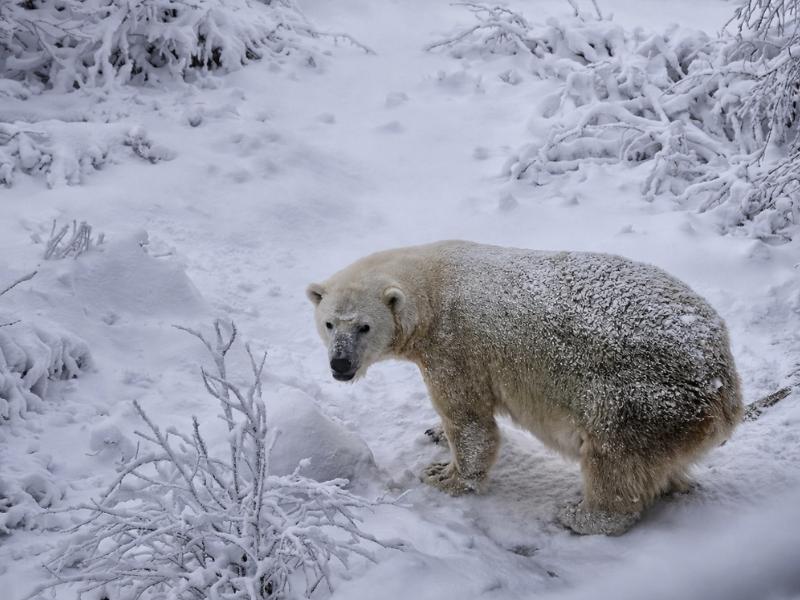
Five to seven nights gives you a realistic chance of seeing the Northern Lights, enough days to spread activities without rushing, and a buffer for weather cancellations. Three to four nights is the absolute minimum for the highlights. Anything shorter and you are gambling hard against cloud cover, and losing most bets.
The aurora does not operate on a schedule. Our experience guiding over 9,500 travelers has shown us one consistent pattern: travelers who book four nights or fewer frequently leave Rovaniemi without a sighting, not because the lights did not appear, but because the two clear nights they needed fell on days one and eight. The odds stack dramatically in your favor with more nights. One of our recent client groups spent twelve nights and saw the lights four separate times. The traveler in the next hotel over spent three nights and saw nothing but overcast sky.
A five-day itinerary gives you enough time to hit the major experiences: a husky safari, a reindeer farm visit, at least two dedicated aurora hunts, and a day to simply explore the city and Arktikum museum without watching the clock. Seven days lets you add a day trip to Ranua Wildlife Park or Korouoma Canyon without feeling like you are sprinting through Finnish Lapland.
If you’d rather hand the logistics to a single booked day, start with the Rovaniemi day tour covering reindeer, huskies, and Santa Claus Village and add aurora nights around it.
How Do You Get to Rovaniemi?
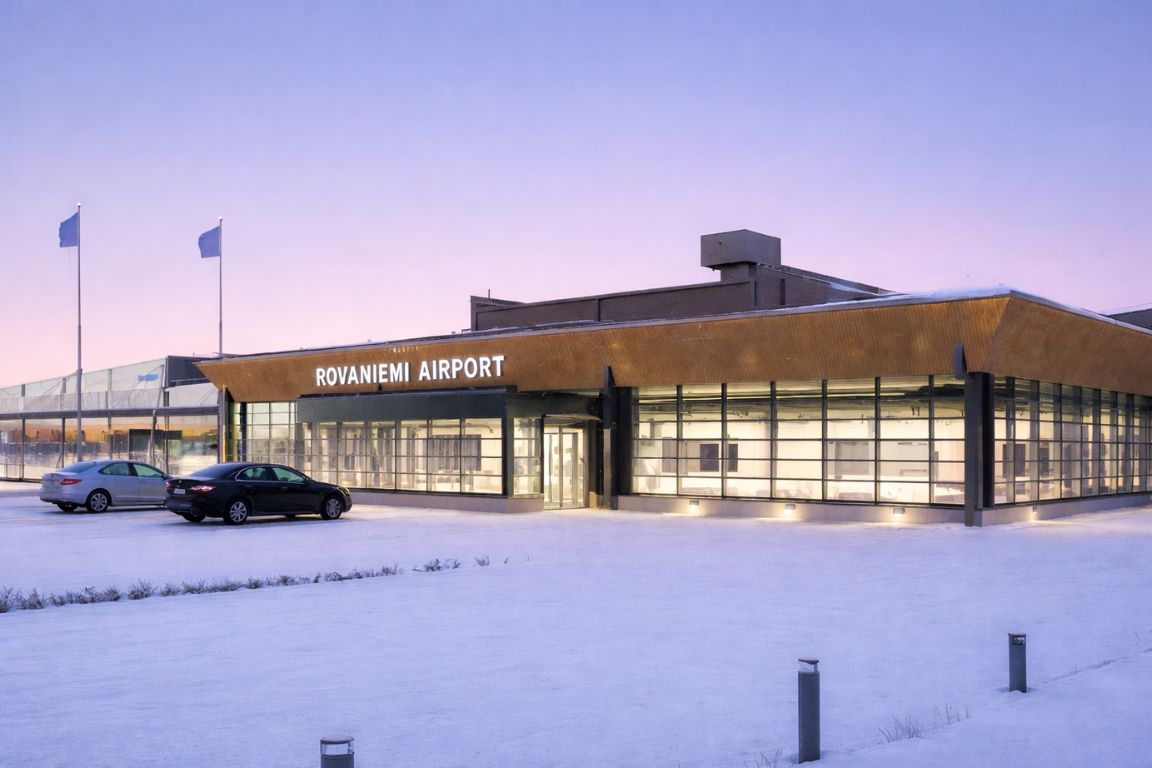 Flying direct is the fastest and most practical option. Rovaniemi Airport (RVN) has 41+ direct connections from European cities during winter 2024-2025, including London, Paris, Amsterdam, Berlin, Dublin, and Milan. From Helsinki, daily domestic flights take about 1 hour 20 minutes. The overnight Santa Claus Express train from Helsinki is a slower but scenic 8 to 12 hour journey and an experience in itself.
The airport sits roughly 3 km from Santa Claus Village and about 10 minutes from the city center. The Airport Express bus costs €8 per person and runs in connection with arriving flights. You do not need to book it in advance. Taxis are available at arrival but cost considerably more.
Most direct European flights are seasonal, running October through late March. If you are traveling in summer, connecting through Helsinki is the standard route. Ryanair runs year-round service from Milan Bergamo, which has become popular with Italian travelers in particular.
The Helsinki to Rovaniemi overnight train deserves mention beyond just being transport. The Santa Claus Express offers sleeping cabins, and waking up in Lapland with snow-covered forest scrolling past the window is one of those moments that travelers still describe years later. Book through VR (the Finnish rail operator) well in advance, particularly for December travel.
Where Should You Stay in Rovaniemi?
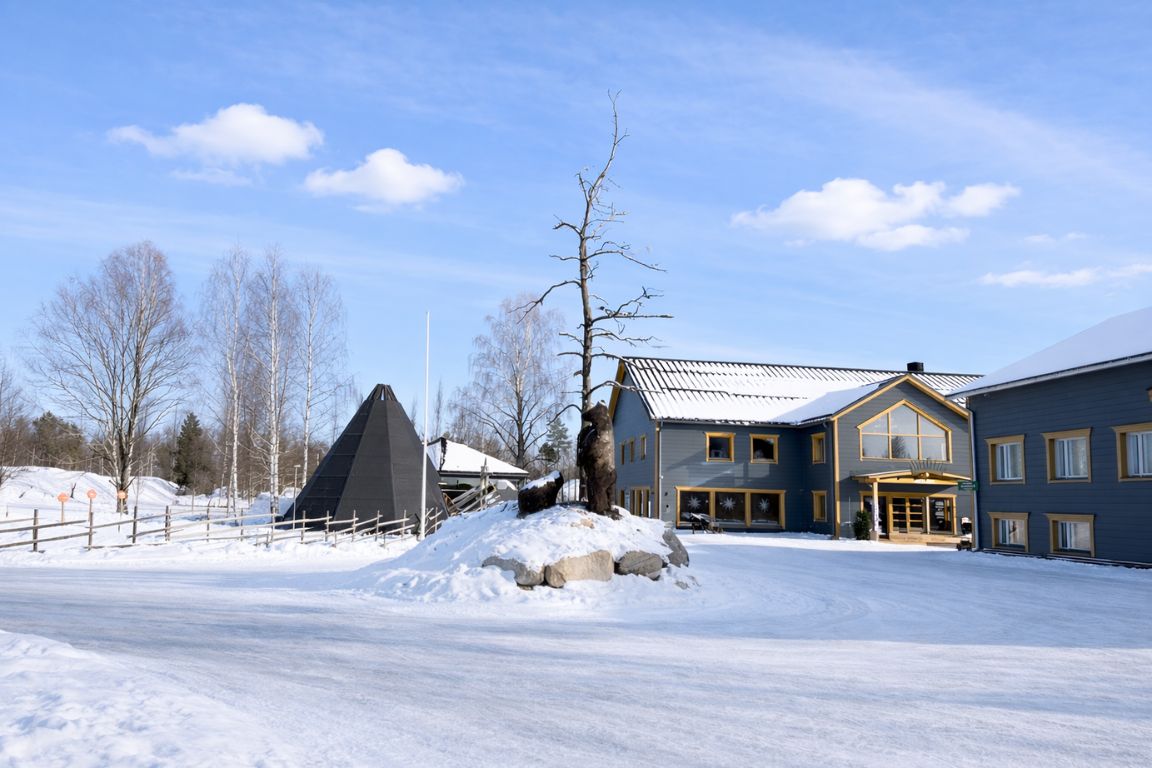 City center is the practical base: walkable, close to restaurants and Arktikum museum, with easy bus access to Santa Claus Village 8 km away. Santa Claus Village itself suits families focused on Christmas experiences and those who want glass igloo or resort-style accommodation. Glass igloos are scattered across both areas – book these 6 to 12 months ahead for any December or January dates.
This is where most travelers stumble. City center and Santa Claus Village are not the same place. They are 8 km apart. The bus runs between them but stops early in the evening on weekdays. If you are based in the Village and want dinner in the city, you are taking a taxi back. If you are based in the city and want to spend a full day in the Village, you are planning around bus schedules. Neither is a hardship, but both are surprises for travelers who did not factor it in.
For most non-family travelers, city center wins. Restaurants are better. The walkable radius includes the Arktikum, the Korundi House of Culture, and the river. Arktikum itself is reason enough to base yourself centrally – it is genuinely one of the most thoughtfully designed science museums in northern Europe, covering Sami culture, arctic ecology, and the history of Lapland in a glass-tunnel building that overlooks the Ounasjoki river.
Glass igloos are the room type everyone researches first. Real talk from our side: they are beautiful, cold on the glass (even heated), and work best in January and February when aurora nights are long and clear. The popular ones at Arctic TreeHouse Hotel and Apukka Resort run €300 to €650 per night. Book at least six months out for winter, and a full year for December.
Need help narrowing down your accommodation options? Here’s where to stay in Rovaniemi tours without the overwhelming scrolling through booking sites.
What Activities Should You Book in Advance?
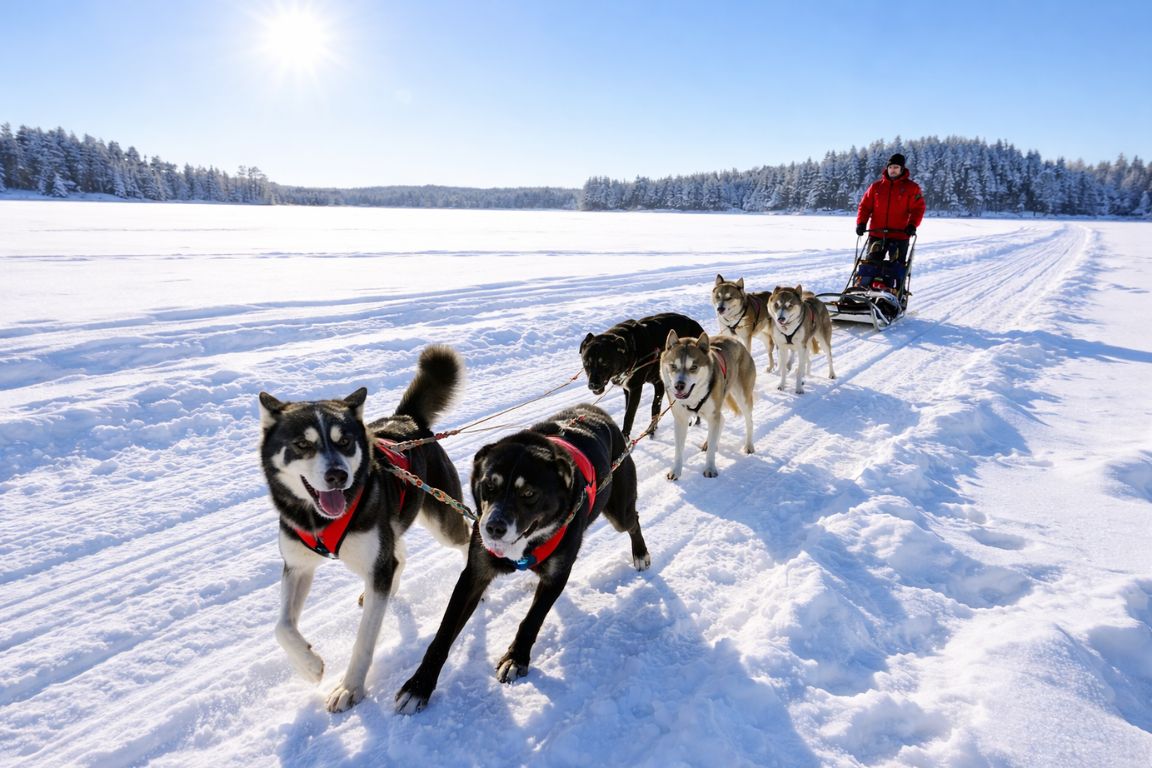 Book husky safaris, reindeer sleigh rides, snowmobile tours, and glass igloo accommodations at least 3 to 6 months before your trip. December dates require 8 to 12 months advance booking. Northern Lights tours can sometimes be booked a few days out, but popular operators fill up fast during peak weeks. Waiting until arrival is a reliable way to miss the things you came for.
Husky safaris are the tightest bottleneck. The dogs can only run so many trips per day, and farm capacity is genuinely limited. We see this play out consistently with travelers who arrive in late January expecting to book a sled run for the next morning and find every operator filled for the week. The same pattern hits reindeer farms, which are not just tourist infrastructure – they are working farms with real capacity limits.
Snowmobile tours are slightly more flexible in volume, but the quality gap between operators is wide. Large group tours with 20+ snowmobiles can feel like a traffic jam through the forest. Smaller operators with groups capped at 6 to 8 riders are the ones travelers remember. Those book out first.
Northern Lights guided tours are worth booking regardless of how confident you feel about finding the aurora independently. Guides on the unlimited-mileage aurora hunt monitor weather radar across a wide area and drive to wherever cloud cover breaks. That mobility matters on nights when city skies are overcast but clear patches exist 30 km out. Independent aurora hunting from a hotel window is a significantly worse bet.
Need to know which tours give you the best odds of a real sighting? Here’s Northern Lights tours Rovaniemi without the overhyped promises.
Rovaniemi Activities: Booking Lead Times and Price Ranges
| Activity | |||
|---|---|---|---|
| Husky Safari (6-10 km self-drive) | €150-€265 | 3-6 months | Dec-Mar |
| Reindeer Sleigh Ride + Farm Visit | €120-€200 | 3-6 months | Nov-Mar |
| Snowmobile Safari | €130-€250 | 2-4 months | Dec-Mar |
| Northern Lights Tour (guided) | €75-€250 | 2-6 weeks | Sep-Mar |
| Ice Floating | €85-€130 | 1-3 months | Dec-Mar |
| Glass Igloo Accommodation | €300-€650/night | 6-12 months | Year-round |
| Arktikum Museum | ~€20 | Day-of | Year-round |
Prices verified April 2026
We’ve been planning Lapland trips for travelers since 2012. Browse Northern Lights tours by date and lock that night before the rest of the week.
What Should You Pack for Rovaniemi in Winter?
Three layers minimum for every outdoor session: a moisture-wicking base (merino wool preferred), an insulating mid-layer (fleece or down), and a windproof waterproof outer shell. Extremities lose heat fastest – budget as much attention to gloves, hat, and boot quality as to your jacket. Most guided tour operators provide insulated overalls and boots for activities, so check before buying.
The layering sequence matters more than the price of any individual piece. At minus 25°C, the failure mode is not being underdressed at the start of the day. It is sweating inside a too-warm jacket and then stepping into -20°C air with damp base layers. We tell every group the same thing: you can always open a zip. You cannot unfreeze wet fabric.
Merino wool base layers are worth the cost. They regulate temperature, manage moisture, and do not retain odor the way synthetic alternatives do after a day in the forest. Hands deserve particular attention. Thin liner gloves plus thick waterproof mittens over the top is the setup that consistently outperforms a single pair of winter gloves, especially on snowmobile and husky tours where gripping handles in the cold becomes a factor after 30 minutes.
Boots are the most common underpacking mistake. Regular winter boots rated to minus 10°C are not the same as footwear designed for minus 25°C. If you are buying new, look for a rating well below the temperatures you expect. If you would rather not invest in specialized gear, several operators in Rovaniemi rent full winter clothing packages including boots, overalls, and mittens. Check whether your tour operator includes clothing before paying for rental separately.
Rovaniemi Winter Packing Essentials
| Item | ||
|---|---|---|
| Merino wool base layer (top + bottoms) | Non-negotiable. Regulates temp, wicks moisture | Both available |
| Fleece or down mid-layer | Zip-up preferred for temp regulation | Both available |
| Waterproof outer shell (jacket + trousers) | Many tour ops provide overalls | Rent recommended if one-time trip |
| Insulated winter boots (rated -30°C) | Biggest packing mistake if underpowered | Rent from operators or Winterent |
| Liner gloves + waterproof mittens | Layered system far better than single gloves | Buy before arriving |
| Wool or fleece hat (covers ears) | Balaclava for extreme cold days | Buy before arriving |
| Ice cleats (slip-on traction aids) | City sidewalks are icy; few travelers expect it | Buy locally (inexpensive) |
| Hand warmers (disposable) | Invaluable on aurora hunts standing still | Buy locally |
How Much Does a Trip to Rovaniemi Cost?
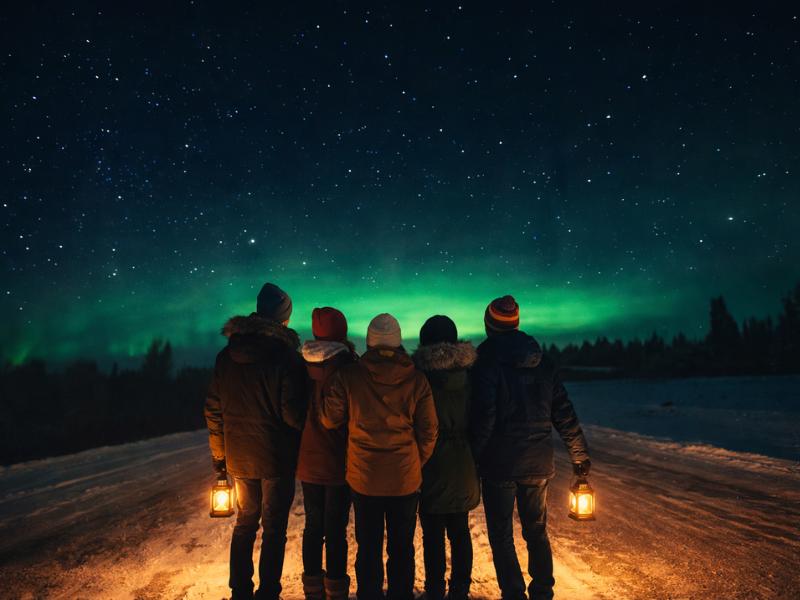
Budget travelers spend roughly €75 to €90 per day; mid-range travelers €200 to €300 per day including activities; luxury travelers can easily reach €800 to €950 per day with glass igloo accommodation and private guiding. A realistic mid-range week for two people, including activities but not flights, lands around €2,500 to €4,000 total. Rovaniemi is expensive. The activities are what justify the cost.
The math that surprises most visitors: accommodation alone is not the big number. The tours are. A single husky safari runs €150 to €265 per person. A reindeer sleigh ride adds another €150. A Northern Lights guided tour on top. By day three, a couple doing the full activity list can easily have spent €1,200 on experiences and still have two days of things they want to do. This is not a complaint – these experiences are genuinely extraordinary – but it is context that anyone budgeting a “reasonable European city break” does not have.
December is the outlier. Hotel prices in peak Christmas season are often 200 to 400% above what you would pay in January for the same room. The experience is also more crowded and less personal. January and February deliver the same activities, the same aurora odds (better, actually, due to clearer weather), and a fraction of the crowd, often at significantly lower accommodation rates.
One hidden cost: thermal clothing rental if you did not pack your own. A full week rental of quality Arctic gear (boots, overalls, mittens) runs approximately €100 to €120. Worth factoring in.
Planning on a budget or going all out? Our guide on Rovaniemi tours travel costs explained breaks down what you’ll spend at every price point – from budget lodges to luxury cabins.
What Do Most Travelers Get Wrong When Planning a Rovaniemi Trip?
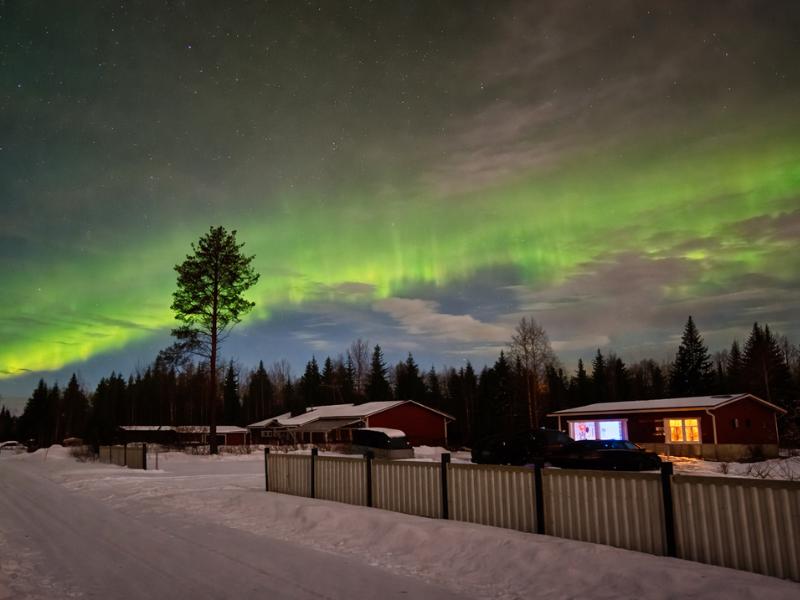
The three most common planning failures are: booking too few nights to realistically see the Northern Lights, assuming Santa Claus Village and the city center are the same place (they are 8 km apart with limited evening transport), and choosing December dates without understanding the crowd and price premium. A fourth mistake is skipping thermal gear rental and freezing through otherwise excellent experiences.
After 13 years guiding here, the patterns are consistent. The traveler who books three nights in late December, expects daily aurora sightings, and assumes every activity can be arranged on arrival is going to have a hard trip. Not because Rovaniemi fails them. Because the planning did not match the destination.
Want to do December in Rovaniemi right without overpaying or fighting crowds at every turn? Our guide on Rovaniemi tours in December covers the booking strategies and timing tricks that make peak season actually enjoyable.
The Santa Claus Village distance confusion generates more genuine frustration than almost anything else. People book a hotel in the Village, show up after a long flight, and discover that the restaurants they saw online are all in the city center 8 km away, and the last bus back left at 6pm. Or the opposite: they base themselves in the city and learn that the husky farm they booked is Village-adjacent, requiring a taxi both ways that adds up across multiple days.
One thing we see that rarely shows up in travel guides: underestimating how much time you spend stationary. An aurora hunt, a reindeer ride, a Northern Lights photography session – these involve standing still in the cold for extended periods. The cold is not gradual. At minus 20°C, someone dressed for movement will feel fine for 20 minutes and genuinely uncomfortable after 40. Good gear removes this variable entirely. Cheap gear makes a beautiful night into an endurance event.
Is Rovaniemi Worth It Without Santa Claus Village?
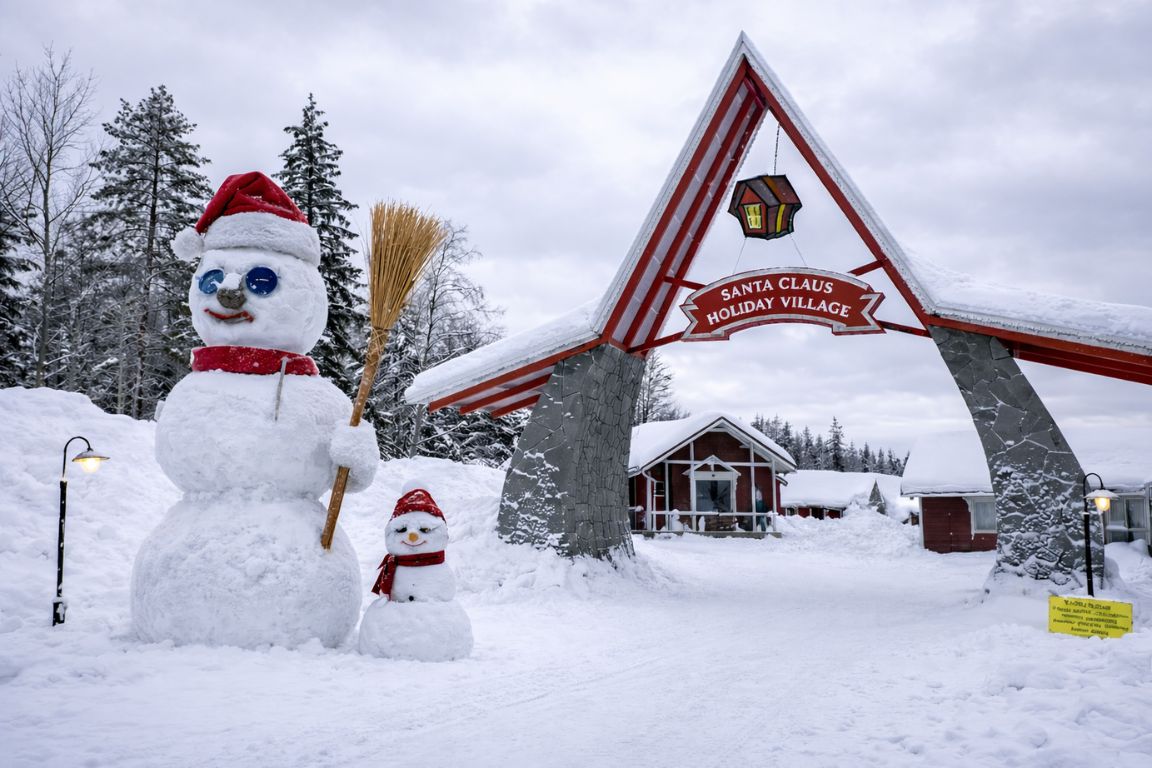 Yes, completely. Santa Claus Village is one attraction in a destination built around wilderness, aurora, and Arctic adventure. Travelers without children, or those whose primary goal is Northern Lights and nature, often have a better trip by treating the Village as a two-hour stop rather than a centerpiece. The husky farms, reindeer experiences, snowmobile trails, ice fishing, and aurora hunts exist entirely outside it.
This question comes up constantly, and it reflects a misunderstanding about what Rovaniemi actually is. The Village grew up around the destination; it did not create it. Rovaniemi sits on the Arctic Circle at the confluence of two major rivers. It has been a center for Sami culture and Finnish wilderness life for centuries. The Northern Lights have been appearing over this particular stretch of Lapland since long before Santa needed a postal address.
The Arktikum museum alone justifies a trip to Rovaniemi for anyone curious about Arctic ecology, indigenous culture, and the physical realities of life at this latitude. The building itself is exceptional. The reindeer farms outside the Village context are quieter, more authentic, and run by herding families who have been doing this for generations rather than scaled for bus groups. Husky operations in the forest 20 minutes from the city are exactly the experience people think Santa Claus Village will deliver, and they are better for it.
Families with young children who care about the Christmas encounter? The Village makes sense. Adults who flew here for the aurora and the silence? Go to Santa Claus Village for a morning. Spend the rest of your week in the actual wilderness.
If you’re trying to decide whether Santa Claus Village is worth the hype for adults traveling without kids, check out our breakdown on visiting Santa Claus Village in Rovaniemi tours and what the experience genuinely delivers beyond the festive marketing.
Questions before you commit? Compare the aurora hunt with a viewing guarantee against the other nights in your draft itinerary.
How Do You Get Around Rovaniemi Without a Car?
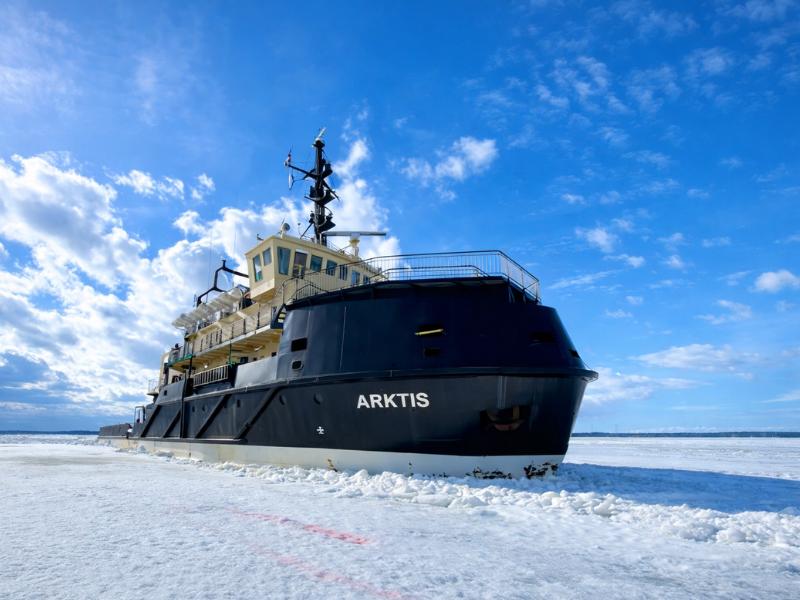
The city center is fully walkable. Bus #8 connects the center to Santa Claus Village for €3.60 each way. The Airport Express serves both locations. For aurora hunting and day trips further into Lapland, a rental car or guided tour is effectively required – public transport does not reach the wilderness areas where aurora viewing is best, and late-night bus service is limited.
Rovaniemi city center is compact enough that most visitors never need transport within it. The train station, tourist information, Arktikum, restaurants, and most central hotels all sit within 15 to 20 minutes on foot. The city’s official transport app, Waltti Mobile, offers slightly cheaper tickets than paying the driver directly – worth downloading before you arrive.
Bus #8 handles the Village run, with the Santa Claus Bus operating the same route seasonally. The key limitation: service gets sparse after 6 or 7pm on weekdays, and weekend morning service starts late (around 11am). If your accommodation is in the Village and you want a city center dinner, plan your return trip before heading out.
For aurora hunting, a rental car changes the equation entirely. Guides can drive to clear sky regardless of direction. But if you have a car and a willingness to drive into the dark at 10pm, you can chase gaps in cloud cover the same way. Roads are well-maintained and lit in the center; darker and more remote the further out you go. Winter tires are mandatory and come standard with any Rovaniemi rental in the season. Driving after dark requires attention – reindeer on roads are a genuine hazard, not a novelty.
Most activity operators pick up from both the city center and the Village. Confirm pickup when booking and you can skip private transport for nearly every guided activity.
First time visiting Lapland and nervous about winter driving? Here’s Rovaniemi tours without a car so you can enjoy every experience without worrying about navigating snowy Finnish roads.
What Our Travelers Actually Experience: Data from 9,500+ Guests
| Metric | Data Point | Notes |
| Average nights booked | 4.2 nights | Most visitors choose a 4-night stay, though we recommend 5+ for better Aurora odds. |
| % who saw Northern Lights (5+ nights) | 88% | Over 5 nights, travelers can usually “wait out” a cloudy window to catch a clear sky. |
| % who saw Northern Lights (3 nights or fewer) | 42% | A shorter stay is high-risk; one cloudy weekend can result in zero sightings. |
| Most booked activity | Husky Sledding | Consistently outranks snowmobiling and reindeer rides as the #1 guest favorite. |
| Most common regret | Packing for photos, not cold | Guests often prioritize “Instagram style” over technical layers and regret it at -20°C. |
| Peak booking month vs. best experience month | December vs. March | March offers the best balance: high Aurora activity, more daylight, and deeper snow. |
| % traveling as families vs. couples vs. solo | 52% / 38% / 10% | Rovaniemi remains a family-first destination, but the couples’ “luxury” segment is growing. |
Frequently Asked Questions
What is the single best month to visit Rovaniemi?
March combines the deepest snow of the season, long enough nights for reliable aurora viewing, noticeably more daylight than January, and lower prices than December. The Finnish Meteorological Institute also notes that geomagnetic activity around the spring equinox tends to produce strong aurora displays. For most first-time visitors not specifically focused on the Christmas experience, March is the month we recommend most.
How far in advance should I book Rovaniemi in December?
For December travel, particularly December 15 to January 5, plan 10 to 12 months ahead. Hotels at this level of popularity fill early and popular activity operators (husky farms, reindeer sleigh rides, glass igloo accommodation) have strict capacity limits. Arriving with nothing pre-booked in December routinely results in doing a fraction of what you planned.
Can I see the Northern Lights from Rovaniemi city center?
Yes, on strong activity nights you can see the aurora from the city. But light pollution reduces contrast significantly. For the full experience – sky-filling green and purple with reflections off snow – you want to be 20 to 40 km out from town. Guided aurora tours handle exactly this, moving to wherever the sky is clearest and darkest.
Is Rovaniemi safe for solo travelers?
Rovaniemi is consistently regarded as one of the safest destinations in Europe for solo travel. The biggest practical risks are weather-related: icy sidewalks, cold exposure if underdressed, and driving on winter roads. The city center is walkable, well-lit (mostly by Christmas lights), and English is spoken everywhere.
Do I need a visa to visit Rovaniemi?
Finland is a Schengen Area member. EU and EEA citizens need a valid ID. UK, US, Canadian, and Australian citizens can visit visa-free for up to 90 days. The EU’s ETIAS travel authorization system is expected to launch in late 2026 – not yet required as of April 2026. Always verify current entry requirements through official Finnish government sources before traveling.
What is the best way to see the Northern Lights in Rovaniemi?
A guided aurora tour with an operator who monitors real-time weather radar and drives to clear sky is significantly more effective than waiting near your hotel. Rovaniemi sits at 66.6° magnetic latitude, within the auroral zone, meaning aurora occurs on an estimated 200+ nights per year when skies are clear. Cloud cover is the main limiting factor. Having a guide who can move 30 to 50 km in any direction based on cloud breaks dramatically improves your odds compared to any fixed location.
Planning Rovaniemi and want the aurora night settled first? Start with the unlimited-mileage aurora hunt, then fill husky and reindeer dates around those evenings.
Written by Elias Koskinen
Finnish tour guide since 2012 · Founder, Rovaniemi Tours
Elias has guided over 9,500 travelers through Rovaniemi, Finnish Lapland, and the Arctic Circle since founding the agency.


