What's the Difference Between Lapland and Rovaniemi?
People use "Lapland" and "Rovaniemi" as if they mean the same trip, and they don't. One is a region the size of a small country, the other is a single city inside it.
These experiences start from Rovaniemi. They add a city introduction or a day outside town, rather than transport to another Lapland base.
These are experiences from a Rovaniemi base. They do not collect from every destination elsewhere in the wider Lapland region.
What is Lapland?
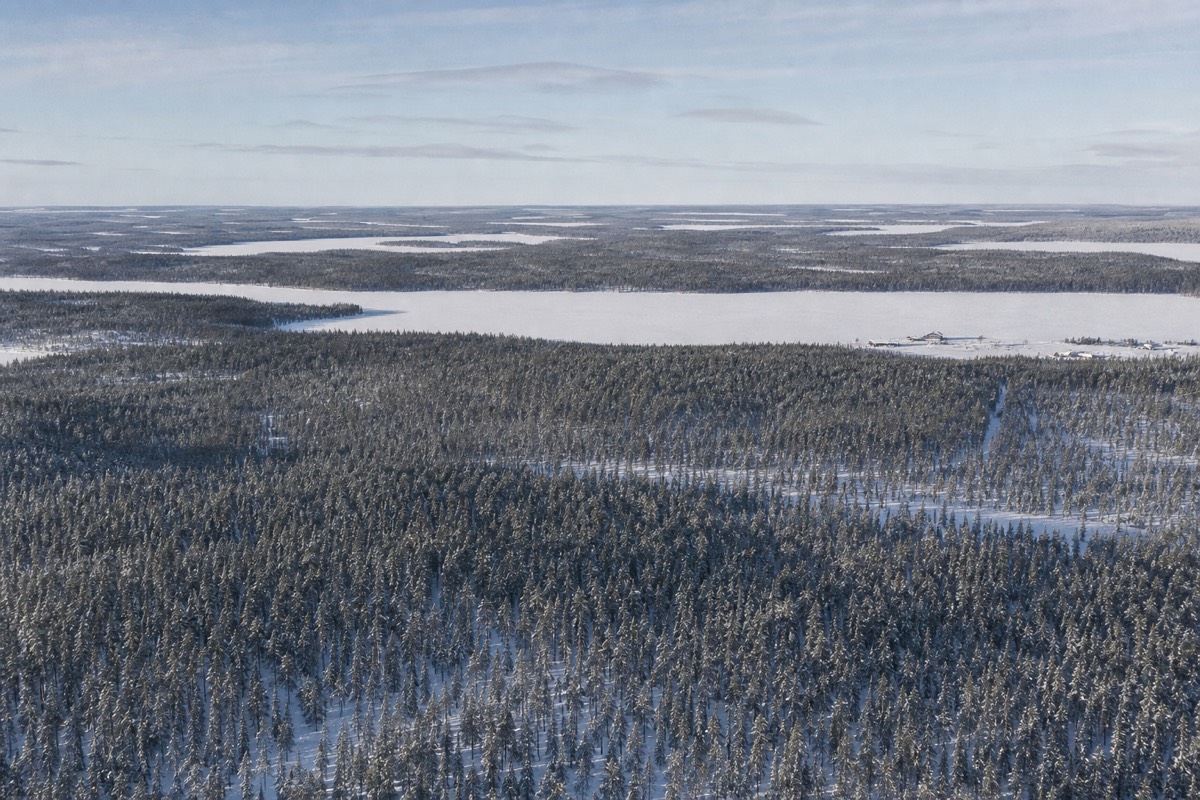
Lapland is Finland's northernmost region, covering just over 100,000 square kilometers (about 38,750 square miles) with roughly 177,000 residents, an area larger than some entire countries but home to fewer people than a single mid-sized city, spread across dozens of towns including Rovaniemi, Levi, Saariselkä, Ivalo, and Utsjoki.
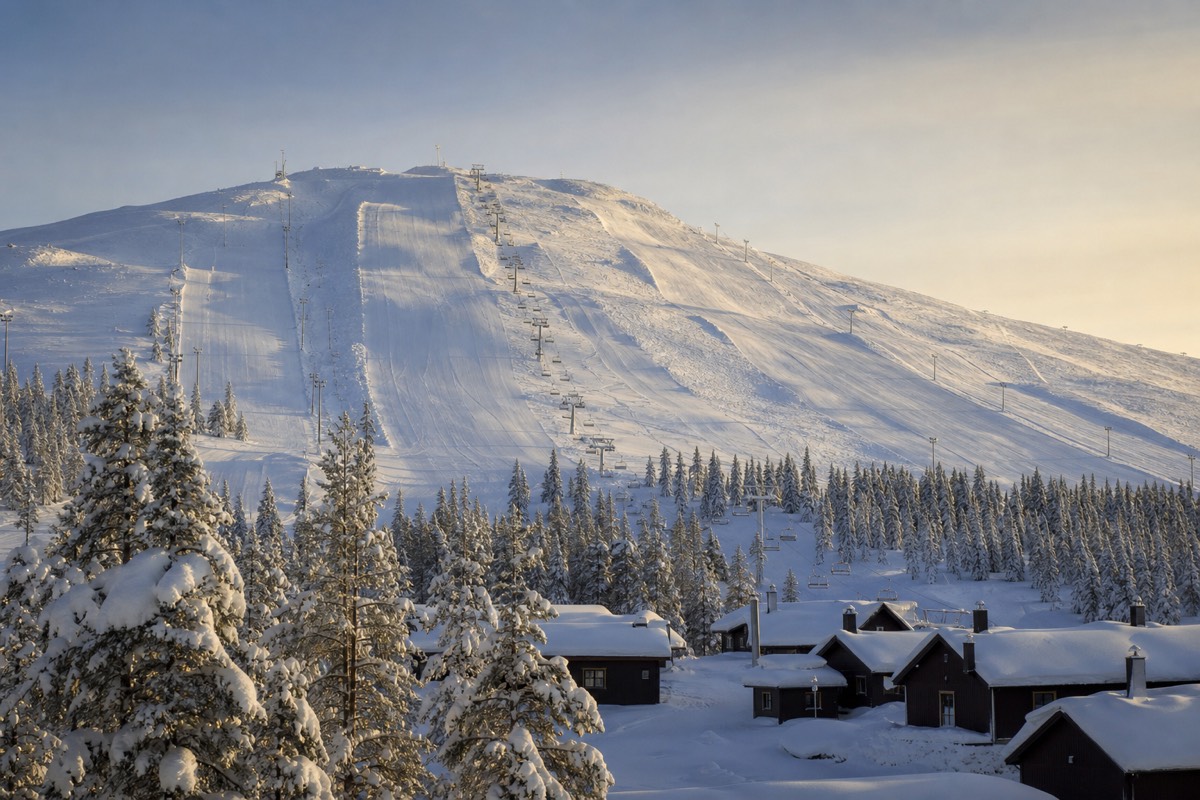
That is a lot of land for very few people. Most of Lapland is forest, fell, and lake, with small towns scattered across huge distances rather than one continuous urban stretch. According to the Wikipedia entry for Lapland, Finland, the population figure of 177,161 dates to December 2019, and the low density is exactly what gives the region its dark, aurora-friendly skies.
This is also why a single word, Lapland, ends up covering such different kinds of trips. A ski holiday in Levi, a wilderness husky expedition out of Saariselkä, and a family weekend in Rovaniemi are all technically Lapland trips, even though they involve driving hours apart from each other and have almost nothing in common day to day.
What is Rovaniemi?
Rovaniemi is the administrative capital of Finnish Lapland, a single city of roughly 63,000 to 66,000 residents depending on the source, sitting just a few kilometers from the Arctic Circle line and officially branded the "Hometown of Santa Claus" because Santa Claus Village straddles that line just outside the city center.
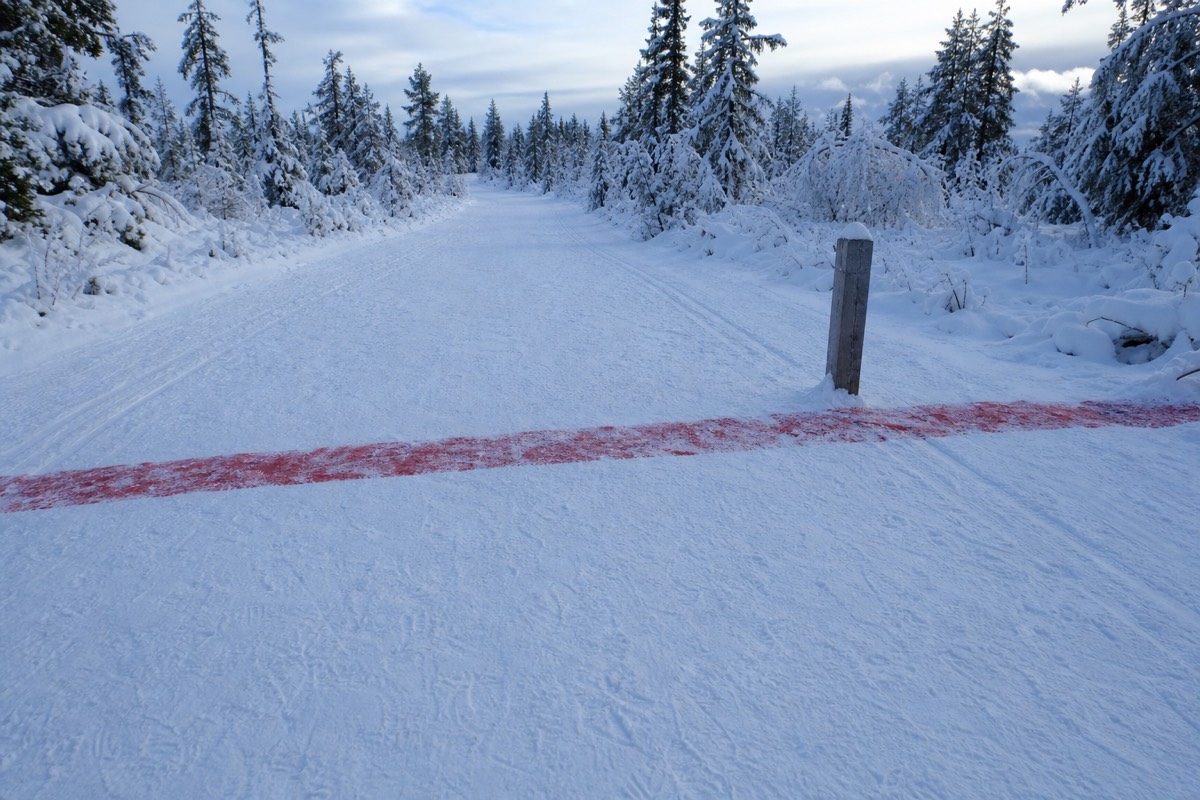
By municipal land area, Rovaniemi covers about 8,017 square kilometers, which sounds enormous for a city, and it is: that figure includes vast surrounding forest and rural land rather than dense built-up streets, which is why Rovaniemi is sometimes cited as one of the largest towns in Europe by area. The built-up center itself is compact and walkable.
Municipal boundaries in Finland generally include a lot of surrounding countryside, not just built-up streets, and Rovaniemi is an extreme example of that pattern. So when a figure describes Rovaniemi as one of Europe's largest towns by area, it is measuring land inside the city limits, forest included, not comparing downtown cores. It is a real, sourced figure, but it answers a different question than how big the city actually feels to walk around.
That contrast, a huge municipal boundary wrapped around a small walkable downtown, trips people up when they picture the place before arriving. Rovaniemi reads on paper like a sprawling metropolis and feels on the ground like a modest regional city with a busy Christmas-themed edge to it.
So what is the actual difference?
Lapland is the entire region, Rovaniemi is one city inside it: the region spans roughly 100,366 square kilometers across dozens of towns, while Rovaniemi is a single municipality that happens to be the region's capital and its most visited single destination, so "going to Lapland" and "going to Rovaniemi" are not automatically the same trip.
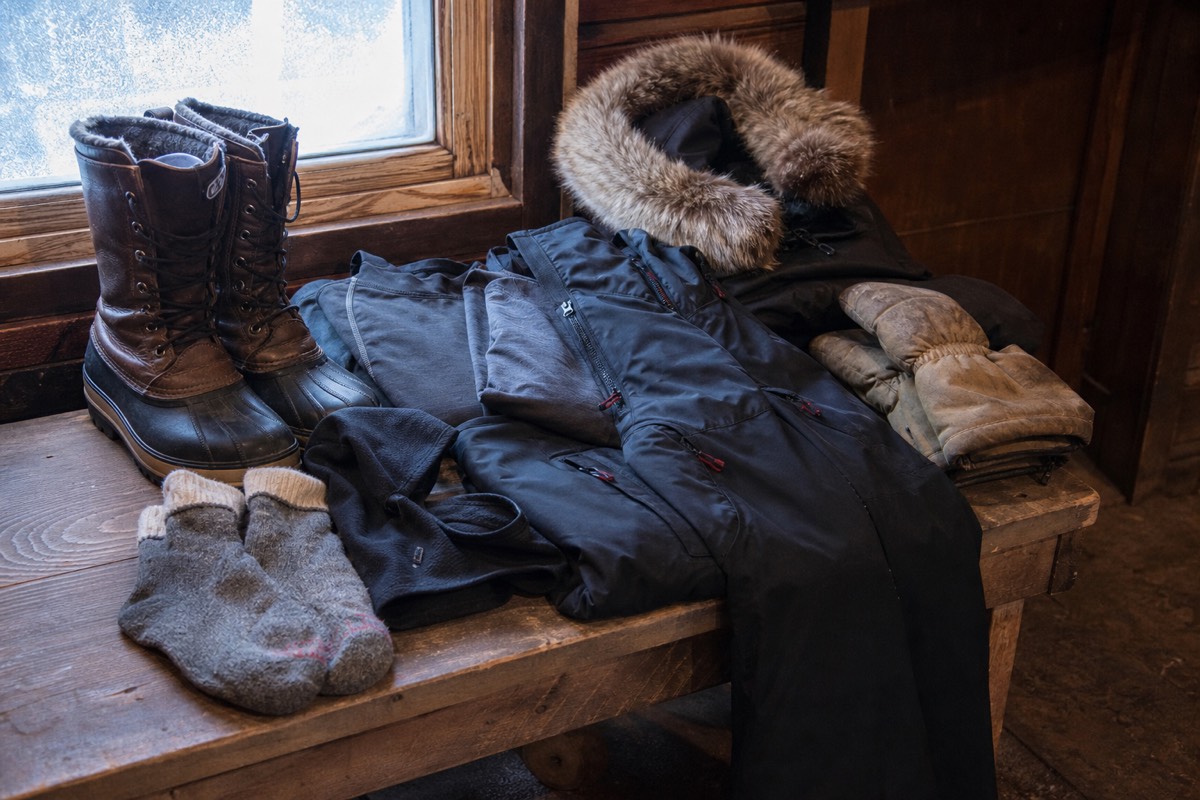
Rovaniemi earns its reputation as the default gateway because it has the airport, the Arctic Circle marker, Santa Claus Village, and easy access to husky and reindeer farms all close together. That convenience is exactly why it gets used as shorthand for Lapland in casual conversation, even though it is only one stop in a much larger region.
What else is in Lapland besides Rovaniemi?
Lapland stretches well beyond Rovaniemi and includes ski resort towns like Levi and Ylläs, the national-park gateway town of Saariselkä, Ivalo further north with its own regional airport, and Utsjoki up near the Norwegian border, one of the northernmost municipalities in the country. Each has a distinct character rather than being a smaller copy of Rovaniemi.
Levi is built around downhill skiing and draws a different crowd than Rovaniemi's Santa-focused tourism. Saariselkä sits closer to genuine wilderness, used as a base for Urho Kekkonen National Park. Ivalo and Utsjoki are further still, quieter, and less set up for short first-time visits. None of these towns are a short hop from Rovaniemi either, so treating a Rovaniemi trip and a Levi trip as interchangeable, just because both are "in Lapland," leads to real confusion when it comes to booking flights and transfers.
For a first Lapland trip, that distinction usually settles the itinerary question on its own. Rovaniemi has its own airport with direct connections and concentrates the reindeer, husky, and Santa Claus Village experiences most first-time visitors are actually looking for. Levi, Saariselkä, Ivalo, and Utsjoki are worth planning toward on a second or longer trip, once you already know Lapland is more than one city and are choosing a different slice of it on purpose.
Why does this matter for trip planning?
Knowing the difference changes what you actually book: a Rovaniemi-only trip covers Santa Claus Village, husky and reindeer farms, and city-adjacent aurora viewing, while a wider Lapland trip adds resort towns like Levi and Saariselkä or wilderness areas like Ivalo and Utsjoki further north, each with its own activities and character.
If your time is limited, staying in and around Rovaniemi still gets you the core Arctic experience, including nearby stops like Ranua Wildlife Park. If you have more days, our day trips from Rovaniemi guide covers how to see more of the wider Lapland region without relocating your whole base.
It also helps when you are searching for information online. Reviews, weather data, and tour listings tagged "Lapland" might describe conditions three hours away by car, not what you will actually experience in Rovaniemi itself. When a source specifies the town, treat that as the more reliable number for your actual itinerary.


