Finland vs. Norway: Which Is Better for the Northern Lights?
Travelers planning an aurora trip almost always land on the same fork in the road: Finland or Norway. The honest answer depends less on which country has "better" lights and more on what kind of trip you actually want.
Choose your country for the trip you want. These departures start in Rovaniemi, so they suit a Finnish base rather than a Norway itinerary.
Choose your country first. These reviewed activities depart from Rovaniemi; they do not arrange a Norway itinerary or a cross-border transfer.
Why does everyone compare Finland and Norway for the northern lights?
Both countries sit under or near the auroral oval, the band around the Arctic where displays are most frequent, so both can deliver real sightings. The difference that actually matters for travelers is less about aurora strength and more about how often the sky is clear enough to see it.
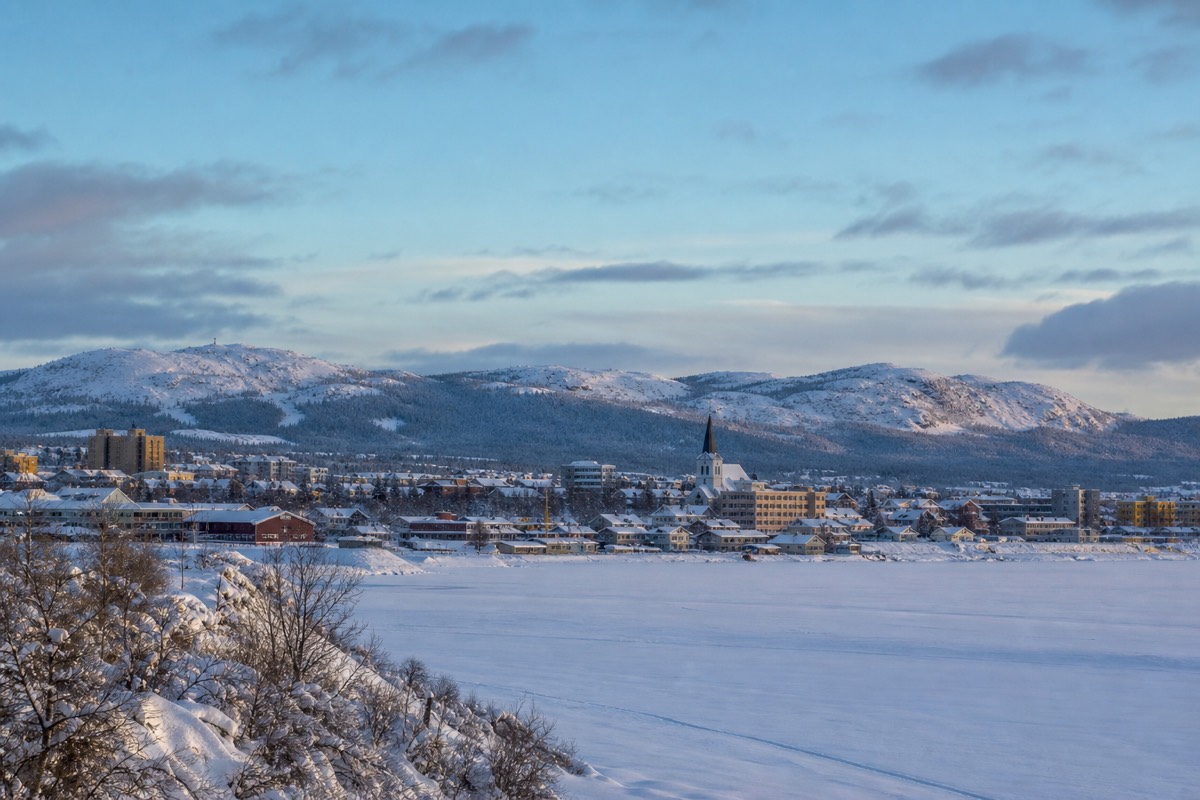
Finnish Lapland is inland, away from the Atlantic, which gives it colder and drier air. Norway's coast sits right up against the Gulf Stream, which keeps winters milder but also pumps in more moisture and cloud cover. Rovaniemi reportedly sees aurora activity on roughly 200 nights a year, a figure repeated across multiple travel-comparison sources, though it counts nights the aurora is active overhead, not nights it's actually visible through a clear sky.
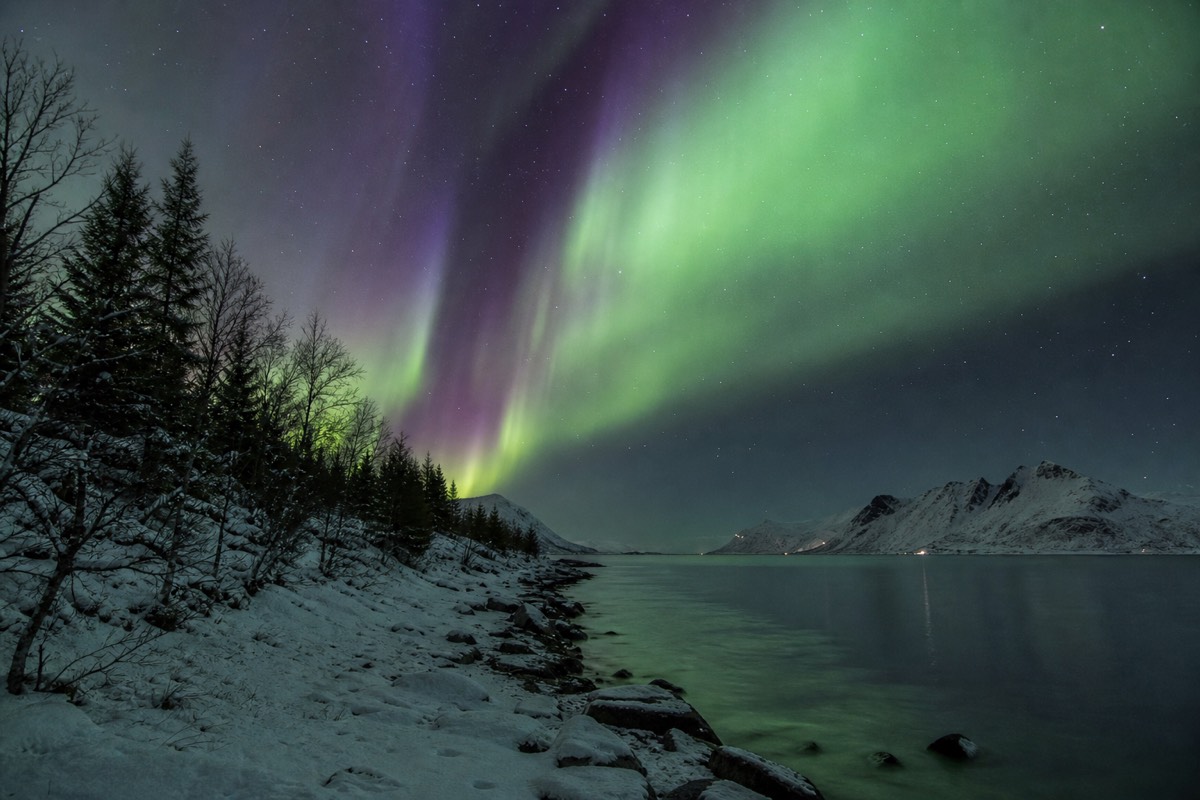
Norway's pitch is different. Its coastal and fjord geography sits further into the heart of the auroral oval in places like Tromso, and when the clouds do break, operators and travelers commonly describe the displays as especially vivid against the mountain and water backdrop. It's a real advantage, it's just conditional on the weather cooperating.
Both destinations get lumped together with Iceland and Sweden in most "where should I go" searches, but Iceland's maritime climate carries the same cloud problem as Norway's coast, and Swedish Lapland sits close enough to Finland's climate pattern that the real decision usually comes down to these two. That's why the comparison keeps resurfacing in trip-planning conversations rather than fading once travelers do a bit of research.
Which country actually has clearer skies for aurora viewing?
Finland's inland climate produces more consistently clear, dry winter nights than Norway's coast, which is repeatedly cited by aurora tour operators as Finland's practical edge, seeing an aurora that's active, rather than one being blocked by cloud. This is reported industry experience, not a peer-reviewed climate study, so treat it as a strong pattern rather than a guarantee.
The mechanism is straightforward. Norway's western coast, including popular bases like Tromso, sits directly in the path of Atlantic weather systems the Gulf Stream keeps unfrozen and active through winter. That same warmth that keeps Norwegian harbors ice-free also means more incoming moisture, more cloud, and more nights where an aurora could be blazing overhead and you'd never know it. Finland, sitting further from that coastal influence, tends to get colder, drier, and more stable winter air, the kind that keeps skies transparent for hours at a stretch.
None of this means Norway is a bad choice. It means the calculation is different: Norway trades some sky reliability for scenery and, on clear nights, potentially bigger displays. The Aurora Zone's country comparison lays out the same trade-off across all four major aurora destinations, and it's worth reading before you commit to either one.
Guides in both countries also do real work to offset weather. In Rovaniemi, small-group aurora hunts watch live cloud-cover and aurora-activity forecasts through the evening and reposition the group toward whichever direction still has a break in the clouds. That kind of active chasing narrows the gap further, since a guide who knows the local road network can often find clear sky even on a night that looked doubtful from the hotel window.
What kind of aurora trip does each country offer?
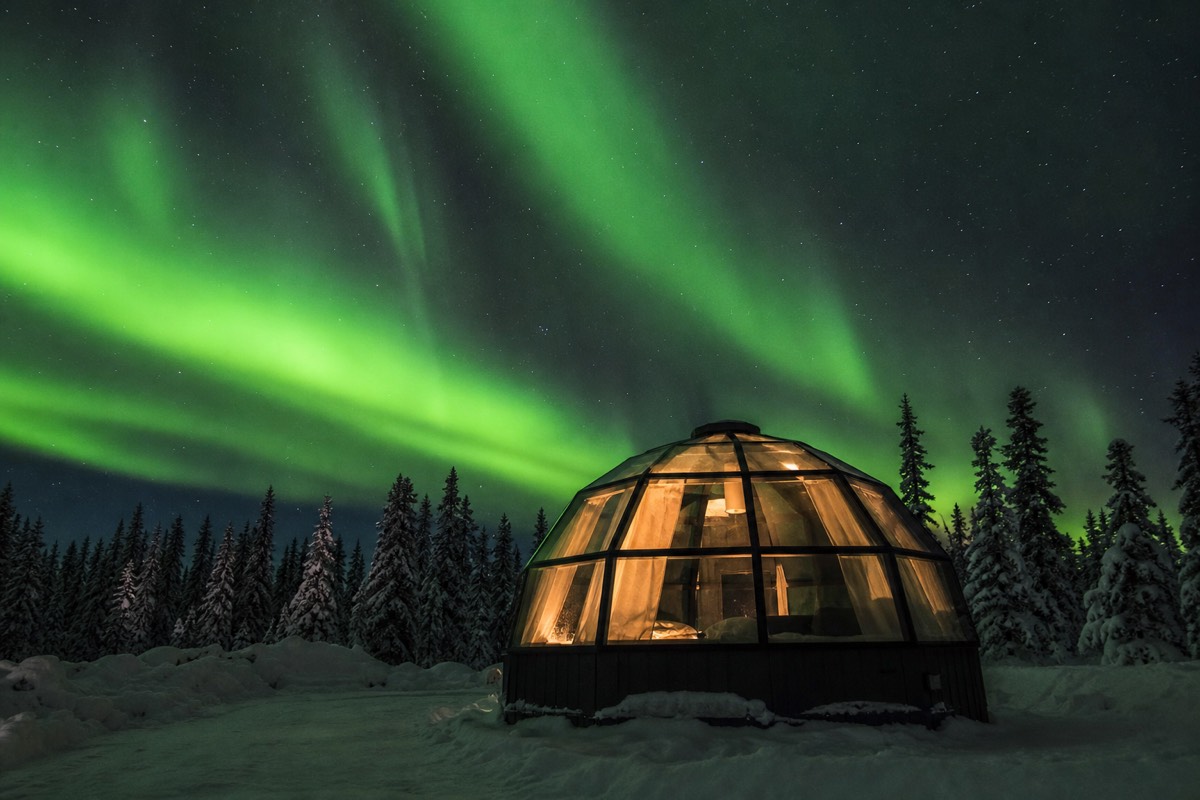
Finland's Lapland trips center on inland wilderness: glass igloos you sleep and watch the sky from, husky-sled outings that chase clear patches, and small-group night drives led by guides checking live forecasts. Norway's trips lean coastal, aurora cruises along the fjords, road trips chasing breaks in the cloud, dramatic mountain-and-water backdrops.
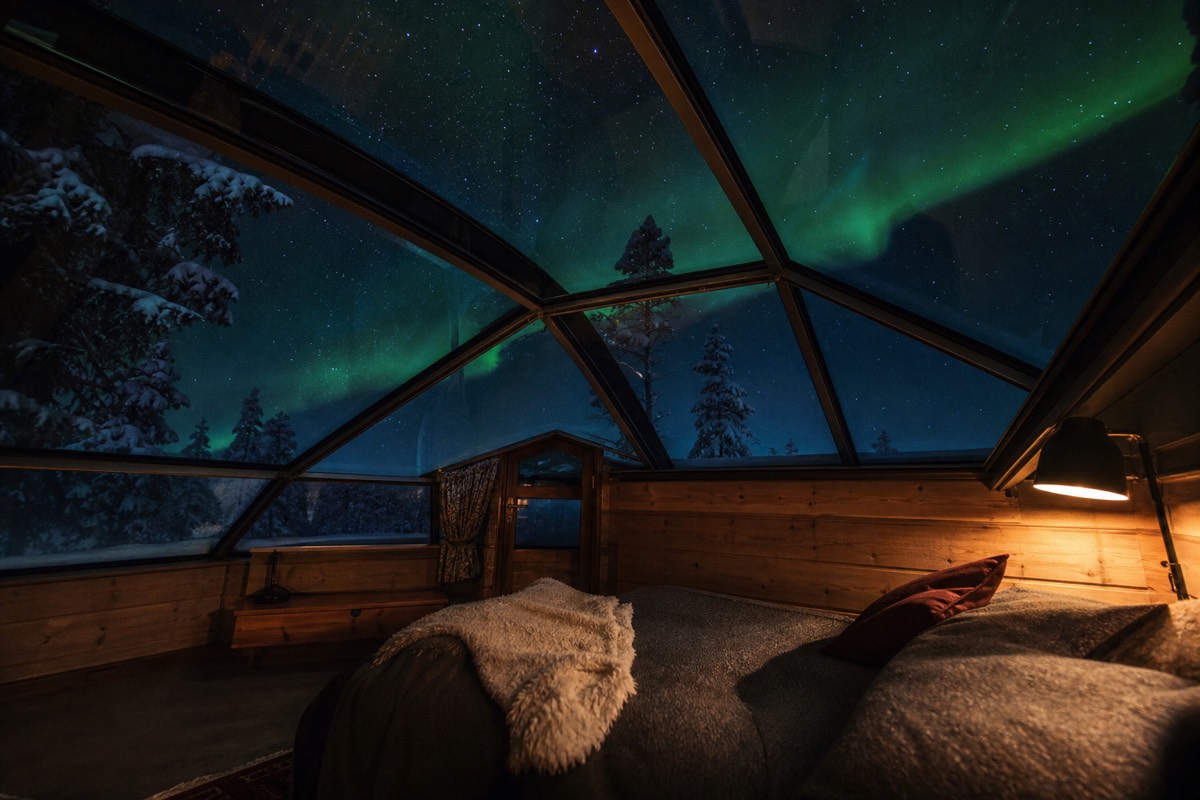
If your idea of a great aurora night involves stepping out of a heated glass room in your pajamas, Finland's format is built for that. If you'd rather be on a boat weaving between fjords with the lights reflecting off the water, Norway's coastal tours deliver a different kind of memory entirely, one that owes more to geography than to any real difference in aurora strength.
The pacing differs too. A Rovaniemi-based trip tends to stay in one place for several nights, using the same hotel or wilderness cabin as a base while guides chase the sky nightly. A Norway-based aurora trip more often involves moving between coastal towns or spending nights on a cruise itinerary, which can mean less predictable sleep but a wider range of scenery across the same week.
Neither format is a compromise. They're built around what each country's landscape and climate actually offer, and travelers who pick based on the kind of trip they want, rather than chasing a marginal statistical edge, tend to come away happier either way.
So which one should you actually book?
If maximizing your realistic chance of seeing an aurora on a short trip matters most, Finland's more consistently clear skies make it the safer bet. If dramatic coastal scenery matters as much as the lights themselves and you can afford a longer, more flexible itinerary to wait out cloud, Norway is a legitimate alternative, not a downgrade.
Travelers booking a northern lights tour in Rovaniemi are choosing the higher-odds, inland-climate route with a distinctly Lapland-style trip built around it. That's a real trade-off, not marketing. For a deeper look at exactly which months and moon phases give you the best shot regardless of country, see our guide on the best time to see the northern lights.
Trip length matters as much as country choice. A single overnight stop in either Finland or Norway leaves you at the mercy of one night's weather. Three to five nights in one base, chasing clear patches as the forecast shifts, does more for your odds than picking the theoretically "better" country and only staying one night there.
The honest bottom line: neither country is "better" in the abstract. Finland gives you better odds of seeing whatever the aurora is doing that night. Norway gives you a shot at a bigger show, if the sky cooperates, wrapped in fjord scenery Finland doesn't have. Pick based on the trip you actually want, and build in enough nights for the weather to work in your favor.


