Is Finland Friendly to American Tourists? Safety & Etiquette
American visitors to Finland usually worry about two different things: is it safe, and will I embarrass myself with local etiquette. Both questions have clear, honest answers.
You can explore Finland independently. An English-guided outing can add local context, organized transport and a clear first-day plan.
The reviewed tours offer English guiding. Check the actual activity duration and pickup, and confirm personal travel-document requirements separately.
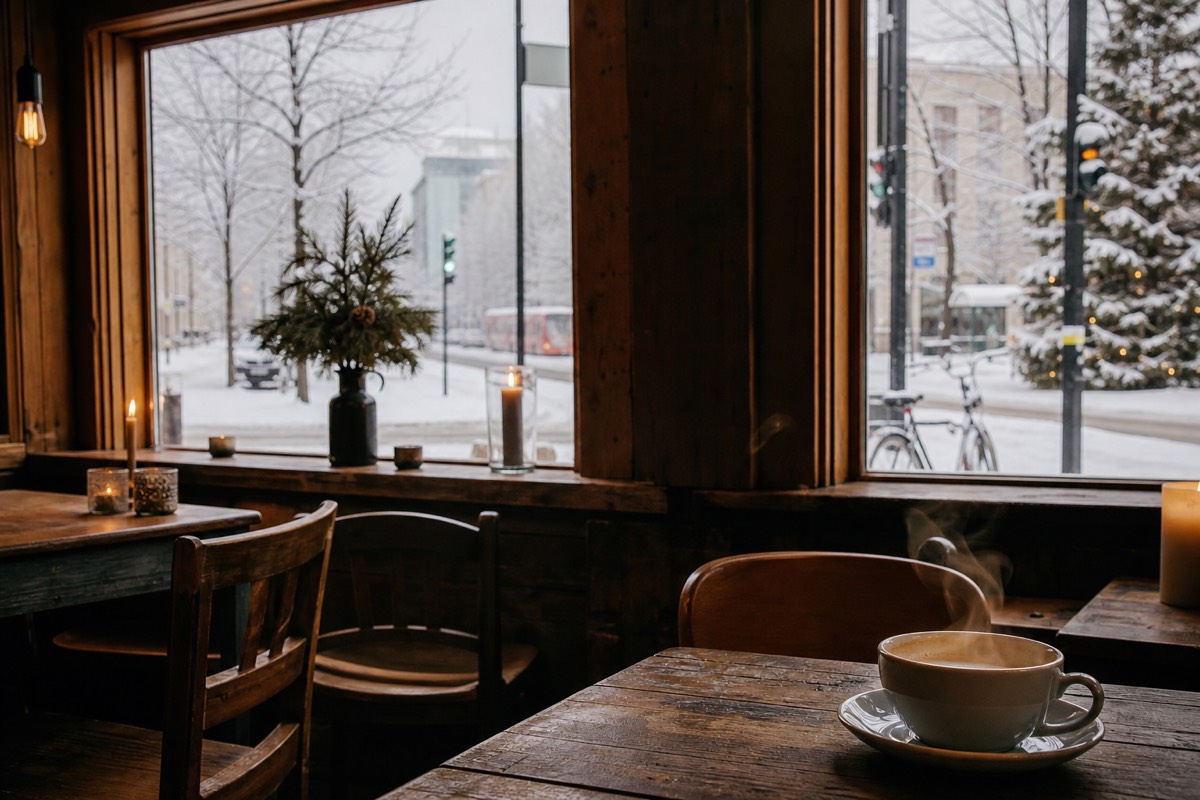
Is Finland safe for American tourists?
Yes, Finland ranks among the safest countries in the world for visitors: the 2026 Global Peace Index places it 9th globally, up one spot from 10th in 2024, with a score of 1.478 and particularly strong results in the ongoing conflict and safety and security domains.

Only Iceland ranks higher overall, according to the 2026 Global Peace Index from the Institute for Economics and Peace. For American travelers weighing whether a Lapland trip is a reasonable idea, that ranking answers the underlying concern directly: violent crime is rare and the country is politically stable.
The ranking is worth putting in context. The Global Peace Index scores over 160 countries every year across dozens of indicators, and moving up rather than down between 2024 and 2026 suggests the underlying conditions, not just a single good year, are what's driving the placement. For a first-time visitor deciding between destinations, a top-10 global ranking is about as strong a safety signal as exists.
For more on putting together a first trip north, see our trip planning guide, which covers logistics beyond safety, like weather and what to pack.
Finnish etiquette Americans should know
Finns value directness, personal space, and quiet in everyday interactions, and minimal small talk is a cultural norm rather than a sign of rudeness or unfriendliness, according to Finland's official guide to local customs.

Americans used to chatty service culture sometimes read Finnish reserve as coldness. It isn't. A cashier who doesn't ask how your day is going isn't being unfriendly, that's simply not the local default. Finland's own culture guide describes this directness as a national trait, not a rejection of visitors.
Punctuality is the other habit worth knowing. Being on time is expected in Finland, arriving a few minutes early is considered respectful, and showing up late without explanation is seen as genuinely disrespectful, more so than in many other countries.
None of this means Finns are unwelcoming. Guides, drivers, and tour operators working with foreign visitors are used to a warmer, more talkative style from American guests and will meet you there. The reserve shows up more with strangers in everyday settings, a shop, a bus stop, a sidewalk, than it does once you are actually on a booked activity with people whose job is to host you.
Personal space follows the same pattern. Standing close in a line, over-touching during conversation, or loud phone calls in shared spaces read differently in Finland than they might at home, simply because the ambient volume and physical distance people expect is smaller and further apart, respectively, than typical American norms.
Do you need to tip in Finland?
No, tipping is not embedded in Finnish culture since service is already included in the bill. Rounding up or leaving 5 to 10 percent for genuinely great service is appreciated but entirely optional, never expected.
American-style calculated tipping, 15 to 20 percent as a baseline, can actually read as unfamiliarity with local norms rather than generosity. There's no need to do the math at every restaurant table the way you would at home.
The same logic extends to tour guides and drivers. A tip isn't required to signal a job well done, and most Finnish guides won't expect one, so skipping it isn't a mistake and doesn't need a mental workaround before you book anything.
What is sauna etiquette like?
Sauna is a serious part of everyday Finnish life, and the etiquette around it is simple but non-negotiable: shower before entering, expect nudity to be standard in traditional or mixed saunas unless posted signage says otherwise, always sit on a towel rather than bare skin on the wood benches, and keep conversation quiet.
This catches a lot of American visitors off guard, since sauna culture at home is usually a hotel gym afterthought. In Finland it's closer to a ritual, and the rules exist to keep it comfortable and hygienic for everyone sharing the room. If easing into it with a modern setup sounds better than a traditional wood cabin, a sauna world experience with a hot tub and cold plunge pool is a gentler on-ramp than diving straight into local customs solo.
A few more practical points cover most first-timer questions. Mixed-gender sauna sessions are common in tourist settings and spa facilities, though traditional public saunas are frequently gender-separated, so it is worth checking which format a given venue uses before you go. Cold plunges or a roll in the snow after the heat are optional, not obligatory, and plenty of Finns skip that part too. Bring your own towel if one is not provided, and treat the sauna room itself, not the changing area, as the place to keep your voice down.
What about the language barrier?
English is commonly used in Finnish tourism, hospitality, and service settings, particularly in a visitor-oriented city like Rovaniemi, so American travelers are unlikely to run into serious communication problems at hotels, restaurants, or on booked tours.
That said, it is still someone's second or third language, not their first, so simple, direct phrasing tends to go over better than idioms or fast, casual speech. Combined with the cultural preference for directness covered above, conversations in Finland can feel brief and to the point rather than warm and drawn out, which is a style difference, not a communication failure.
None of this should discourage an American traveler weighing a first trip to Finnish Lapland. Between a top-tier safety ranking, service staff accustomed to international visitors, and etiquette rules that are simple once you know them, the actual friction most people run into is smaller than they expect before arriving.


