Snowshoeing Tours Guide in Rovaniemi
Snowshoeing in Rovaniemi is the easiest winter activity - no experience needed. Discover what tours include, real prices, best operators, and why the aurora version is worth it.
Choose by the actual walking format and full outing length. The reviewed snowshoe tour takes three and a half hours; Riisitunturi is a separate nine-hour hiking day.
Snowshoeing includes equipment and winter clothing. The guided Riisitunturi option includes food and photographs; its bus-only option does not. The lakeside aurora alternative is not a snowshoe tour.
Last updated: April 9, 2026
Rovaniemi Snowshoeing Tours at a Glance
| Tour Type | ||||
|---|---|---|---|---|
| Standard forest snowshoe tour | 3 hours | 3-5 km | €75-100 | First-timers; all fitness levels |
| Snowshoe + ice fishing combo | 3-4 hours | 3-5 km + lake | €85-120 | Nature lovers; families |
| Snowshoe + survival skills + fire | 3-4 hours | 3-6 km | €85-110 | Active travelers; small groups |
| Evening snowshoe aurora hunt | 3-4 hours | 2-4 km | €90-130 | Aurora seekers; couples |
| Full-day wilderness snowshoe | 6-8 hours | 8-15 km | €120-180 | Fit hikers; wilderness depth |
| Private premium snowshoe tour | 3-8 hours | Flexible | €150-250+ | Couples; families; customized route |
Prices verified April 2026. Most operators include snowshoes, poles, thermal clothing, campfire snacks, and hot drinks. Check individual listings as clothing inclusion varies.
What Is Snowshoeing and What Should You Expect on a Guided Tour in Rovaniemi?
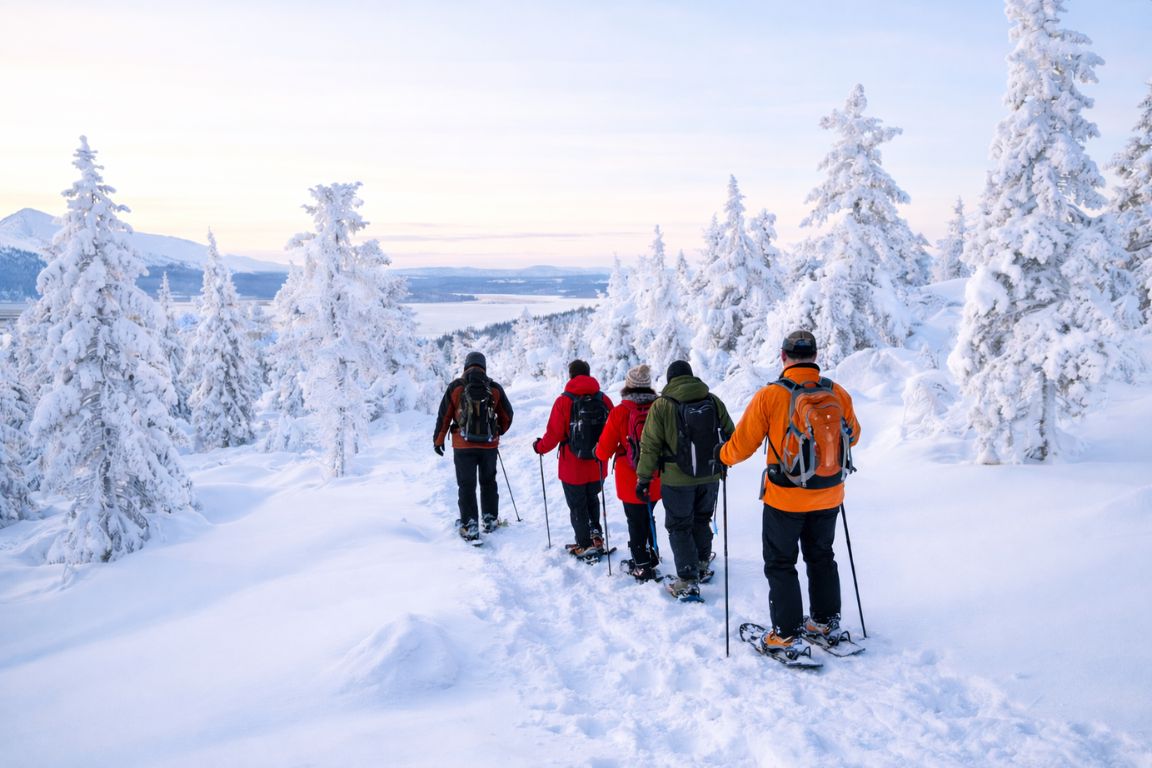 Snowshoeing involves attaching a lightweight frame to your boot that distributes your weight across a larger surface area, allowing you to walk on top of deep snow without sinking. No technique is required, if you can walk, you can snowshoe. A standard guided tour in Rovaniemi runs 3 hours total: 20 to 30 minutes of transfer to the forest, 1.5 to 2 hours of walking through taiga forest and across frozen lakes covering 3 to 5 km, a campfire stop with grilled sausages and hot berry juice, and return transfer. The guide reads animal tracks in the snow, explains Arctic nature and Finnish wilderness culture, and builds the campfire using traditional tinder and birch bark.
The first thing you notice putting on snowshoes for the first time is that they are larger than expected – typically 50 to 70 cm long, with aluminum or plastic frames and a binding that attaches at the toe and heel. They feel strange for about three minutes. Then your stride naturally adapts to a slightly wider gait, the frames grip the snow surface, and you stop thinking about the equipment entirely.
The second thing you notice, within the first few minutes of entering the forest, is the silence. It is a different silence from what you find in a city park or even a quiet garden. In the Lapland taiga in winter, the snow absorbs sound from every direction. The trees are loaded with it, hanging from the branches in masses that dampen anything the forest might produce. Your snowshoes make a soft compression sound on each step. That is all. The guide ahead of you leaves tracks. You follow. The cold air carries the faint smell of pine resin and, later, the woodsmoke from the campfire.
Midway through most tours, the group reaches a tipi or kota – a traditional Finnish shelter with a central fire pit. The guide builds the fire while the group takes off their snowshoes and settles around it. Pork sausages on sticks over the flames, hot lingonberry or blueberry juice in tin mugs, and the guide talking about Lapland – the animals whose tracks you passed, the way the pine and spruce manage the cold, the Finnish relationship with silence and forest and the concept of erämaa, the wilderness that belongs to no one.
This is the part of snowshoeing that travelers consistently describe as the activity’s core. Not the walking, which is pleasant but undemanding, but the fire and the silence and the feeling of being genuinely inside the Arctic forest rather than being transported through it.
Want help choosing the right snowshoeing tour for your group's pace and interests? The 9-hour Riisitunturi wilderness day is the full-day format if a 3-hour forest walk is not enough.
What Types of Snowshoeing Tours Are Available in Rovaniemi?
 Six main formats exist: the standard forest snowshoe tour (3 hours, 3 to 5 km, campfire stop – the entry-level genuine experience for all fitness levels); the snowshoe plus ice fishing combo (3 to 4 hours, adds a frozen lake segment where you drill, drop a line, and cook your catch if successful); the snowshoe plus survival skills and fire-making tour (adds orientation with compass and map, fire-building with birch bark and tinder, and basic Arctic survival knowledge); the evening aurora snowshoe tour (walks to dark-sky locations for Northern Lights viewing – one of Rovaniemi’s most atmospheric combinations); the full-day wilderness snowshoe (6 to 8 hours, 8 to 15 km, used for national park routes or demanding terrain); and private or premium tours with fully customized routes.
The standard forest tour is the right starting point for most travelers. It requires nothing beyond the ability to walk for 90 minutes on uneven snow – the terrain is managed, the pace is adapted to the group, and the campfire stop breaks the walk naturally at the midpoint. Guides consistently adapt this tour to the group’s composition; a family with young children will take a different route at a different pace than a group of fit adults, but the format and campfire are identical.
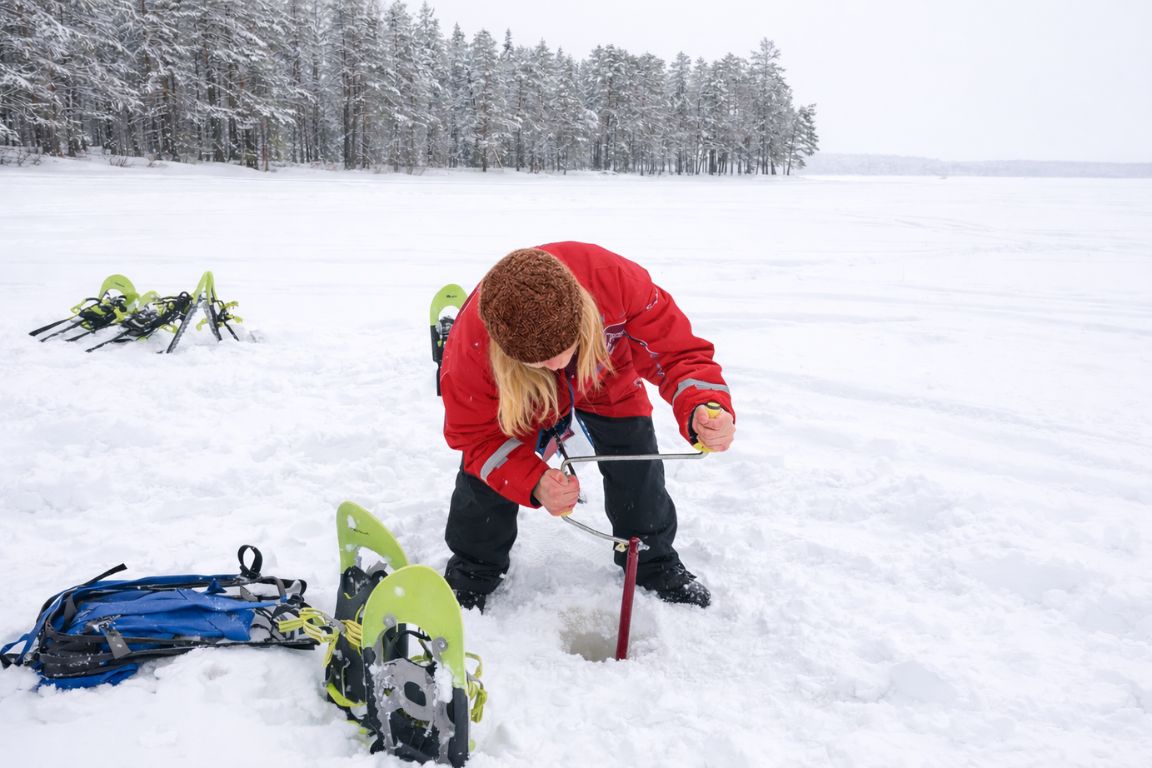
The snowshoe plus ice fishing combo is the natural extension for travelers who want to add a second distinctive Finnish experience. After the forest walk, the group reaches a frozen lake. The guide drills holes through the ice, hands out short rods, and demonstrates the jig technique. The lake is genuinely quiet in a way that is different from the forest – open sky, flat white surface, the sound of the drill fading. You sit on a small stool and hold the line and wait. Most groups do not catch fish, which the guide notes cheerfully before starting the campfire anyway. When someone does catch a perch or a trout, it goes directly onto the grill.
The survival skills format appeals to travelers who want intellectual engagement alongside the physical experience. Nordic Odyssey’s full snowshoe wilderness adventure is one of the best-reviewed examples: the guide covers navigation using compass and topographic map, fire-building using three traditional methods including birch bark and tree resin, Arctic plant identification for the season, and basic orientation in featureless white terrain. The walk covers the same forest as the standard tour, but the guide’s commentary runs deeper and the campfire involves fire-lighting by traditional method rather than a lighter.
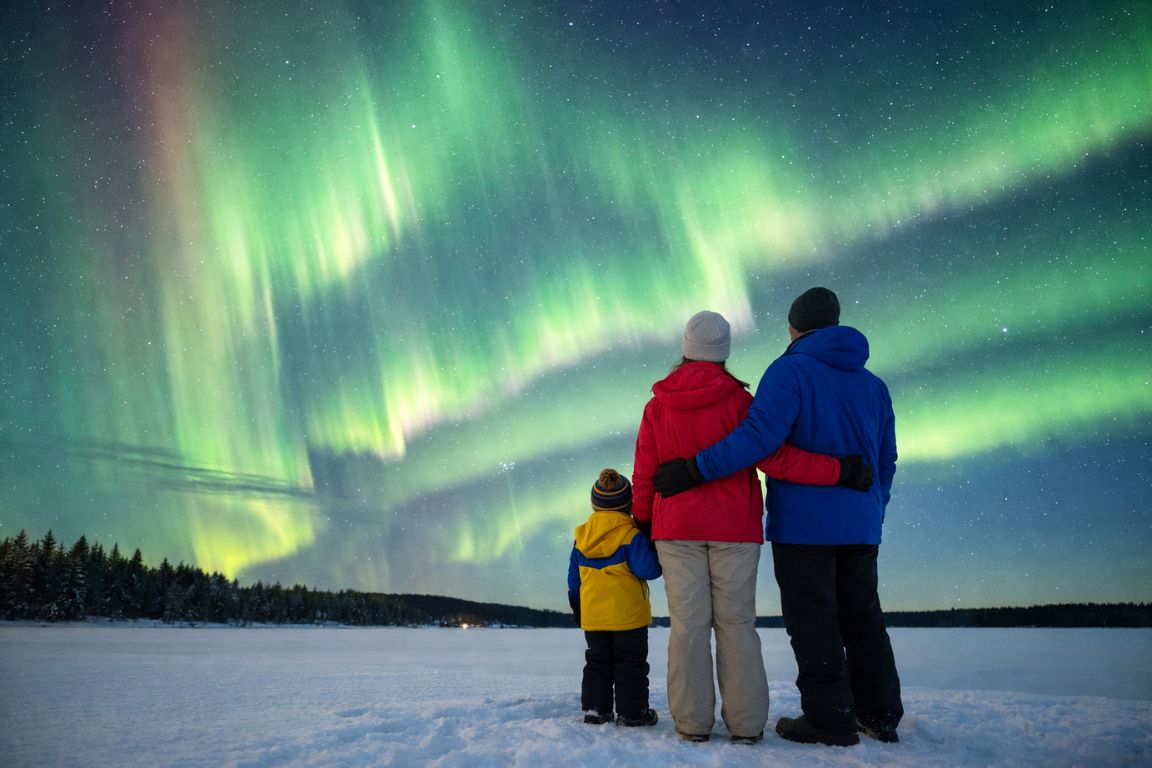
The evening aurora snowshoe tour is the format least likely to appear in traveler planning until they encounter it in Rovaniemi, and the most consistently rated as memorable in post-trip accounts. The tour leaves after dark, typically from 7pm. You walk on snowshoes to a dark-sky location outside city light pollution – usually a frozen lake or open fell edge – and wait with the guide while the Northern Lights Alert app monitors activity overhead. When the aurora comes, you are already outside and dark-adapted, in silence, having walked there on foot rather than arrived by van. The experience is categorically different from watching the lights from a parking area. Several operators including Nordic Odyssey run evening snowshoe tours specifically for aurora watching.
Need to know if it’s actually possible to chase the aurora solo in Lapland? Here’s can you see Northern Lights in Rovaniemi without a tour so you can decide before you book anything.
How Difficult Is Snowshoeing in Rovaniemi?
 Standard guided snowshoe tours covering 3 to 5 km on managed forest terrain require no prior fitness beyond basic walking ability. They are genuinely accessible to most adults, including older travelers and those who are not regular exercisers. The effort level is similar to a moderately paced walk on an uneven forest path while carrying no pack. The only segment that challenges some participants is short uphill sections in deeper snow where the snowshoes require more deliberate lifting. Full-day wilderness tours covering 8 to 15 km require reasonable fitness and a comfort level with extended outdoor activity in cold temperatures.
Snowshoeing misleads some travelers who associate it with skiing and assume it involves similar technique or athleticism. It does not. The motion is walking. The snowshoes add some resistance – lifting a frame slightly heavier than a normal boot on each step – but the difference is modest on flat or gently rolling terrain. On sustained uphill sections through deep powder, the effort increases noticeably because each step lifts more snow and requires more deliberate placement. This is where some participants lose balance on embankments, particularly if they step on their own frames on the upswing.
Operators consistently describe the standard tour as accessible from age 7 or 8 upward. Apukka’s snowshoeing tour requires participants to be at least 10 years old. Wild About Lapland adapts the pace and route to the group’s composition and has no stated minimum beyond physical ability to walk the terrain. Nordic Odyssey runs a specific family snowshoe plus ice fishing tour designed for children aged 10 and above. The upper limit is effectively physical condition rather than age – most operators note that if climbing a flight of stairs is difficult, the snowshoeing terrain would be challenging.
Cold temperature management is a fitness dimension that some travelers underestimate. Walking generates warmth, so the first 20 minutes of the tour is comfortable. At the campfire stop, you have stopped moving and the cold returns quickly. Then the second half of the walk rewarms you. The challenge is the passive standing period at the fire, which requires better clothing than the active walking segment does. Guides consistently recommend adding a hand warmer to gloves for the campfire portion specifically.
What Are the Best Snowshoeing Tour Operators in Rovaniemi?
Four operators deliver consistent quality with genuine small-group experiences and knowledgeable wilderness guides: Nordic Odyssey (city-center based, French and English guiding, multiple snowshoe formats including survival skills, ice fishing, evening aurora, and Riisitunturi National Park, maximum 8 per group); Wild About Lapland (STF certified, comprehensive forest and wilderness trails, group adapted to all levels, max 8); Beyond Arctic (environmental focus, wilderness snowshoe adventure, tipi campfire, Tripadvisor-strong); Apukka Resort (15 min from center, Monday/Wednesday/Friday scheduled departures, snowshoe walk to Arctic nature, 2 hours, €92 adult). Kota Outdoors runs certified wilderness guide ski and snowshoe treks in small groups for more serious hikers.
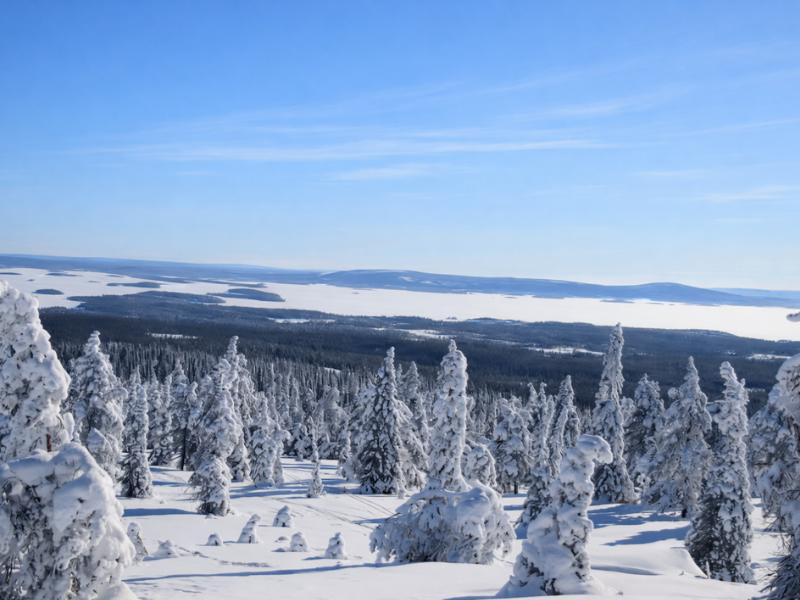
Nordic Odyssey is the operator that appears most consistently across snowshoeing specifically, as distinct from the broader operator market. Their model is a small team of genuinely experienced outdoor guides – several of whom have backgrounds in wilderness guiding, biology, and forest ecology – who run tours in groups capped at 8. The snowshoe adventure in Arctic wilderness covers standard forest terrain with survival skills and fire-making. Their premium private snowshoe allows full route customization, including national park options like Riisitunturi (2 hours east of Rovaniemi, world-renowned for snow-loaded “cotton trees” – spruce so laden with snow they look structurally impossible). Their evening aurora snowshoe specifically targets dark-sky zones away from the city. Reviews consistently cite guides who explain the forest and the landscape rather than just leading through it.
Wild About Lapland’s snowshoeing tour in the wilderness covers old-growth forest and hills where wolf, lynx, wolverine, and reindeer tracks are common finds in fresh snow. The pace adapts to the group. They hold Sustainable Travel Finland certification, which in their case reflects genuinely sustainable trail selection and group size management. They no longer offer city center pickups for sustainability reasons, preferring guests to walk to their office on Rovakatu.
Beyond Arctic’s wilderness snowshoe adventure has strong Tripadvisor reviews and a specific environmental philosophy – the company commits to leaving no trace and uses the campfire stop to explain their practice. They run the tour to a tipi in the forest where the fire is built and the campfire stories include the company’s own approach to Arctic nature guiding. Their electric snowmobile tours and aurora tours have equal name recognition, making them a good single-operator choice for travelers booking multiple activities.
Apukka Resort offers snowshoeing on scheduled days (Monday, Wednesday, Friday at noon) which allows day visitors to add it to a resort visit alongside husky or other activities. The 2-hour tour costs €92 per adult and €62 per child 10 to 14, with shuttle bus from the city center included. The resort setting means the forest accessed is Apukka’s own private land, which tends to be pristine with good animal track density.
We’ve got a full activity breakdown on the best Rovaniemi winter tours and activities so you know exactly how to fill your days whether you’re traveling solo, as a couple, or with kids.
How Much Do Snowshoeing Tours in Rovaniemi Cost?
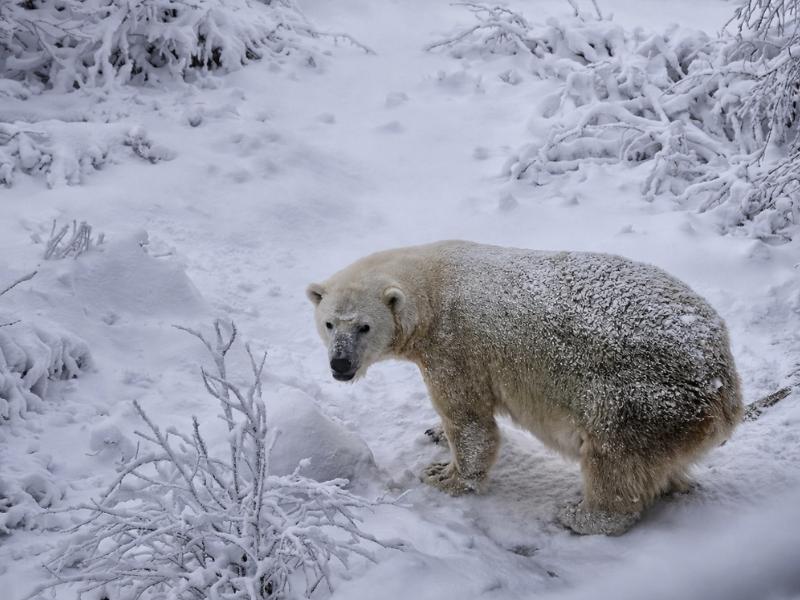
Standard 3-hour guided snowshoe tours run €75 to €100 per adult and represent the most affordable guided outdoor experience in the Rovaniemi winter activity menu – cheaper per hour than snowmobile, husky, or reindeer tours. Children’s rates at operators offering them typically fall between €50 and €62 for ages 7 to 14. Combo tours adding ice fishing run €85 to €120. Evening aurora snowshoe tours run €90 to €130. Full-day wilderness tours run €120 to €180. Private premium tours cost €150 to €250 per person depending on group size and route. What is included at quality operators: snowshoes, poles, thermal overalls and boots (at most but not all operators), campfire snacks, hot drinks, and guiding.
Snowshoeing is the activity where budget travelers in Rovaniemi find the best ratio of genuine wilderness experience to cost. For €85 to €100, you get a guide who knows the forest, a 2-hour walk through terrain you cannot safely access independently, a campfire with traditional Finnish snacks, and a genuine encounter with Lapland’s winter silence. The same money buys 20 minutes on a snowmobile. Both have their place, but for travelers whose primary interest is nature and quiet rather than speed and adrenaline, snowshoeing is the activity that overdelivers relative to cost.
Clothing inclusion varies between operators and is worth checking before booking. Wild About Lapland and Beyond Arctic include full thermal overalls and boots as standard. Nordic Odyssey prefers guests to bring their own ski-appropriate winter clothing and offers overalls if needed rather than as a standard inclusion – their rationale is that guests in their own gear are more comfortable than in generic tour sizing. Apukka includes thermal gear for their 2-hour tour. Budget operators, and some aggregator listings, exclude clothing and expect guests to arrive in their own winter kit. Always check the booking description explicitly.
Booking directly through operator websites saves 10 to 15% compared to GetYourGuide or Viator. Snowshoeing tours are less capacity-constrained than husky safaris, so last-minute booking is more viable – particularly for January through March. December dates benefit from advance booking, especially the evening aurora snowshoe tours which pair with high aurora season demand.
Planning on a budget or going all out? Our guide on Rovaniemi tours travel costs explained breaks down what you’ll spend at every price point – from budget lodges to luxury cabins.
| Tour Type | Price Range (Adult) | Duration | Best For | Typical Inclusions |
| Standard Forest Hike | €75 – €100 | 3 Hours | Nature lovers & budget-conscious travelers. | Snowshoes, poles, campfire snacks, drinks. |
| Aurora Snowshoeing | €90 – €130 | 3 Hours | Active travelers hunting the Northern Lights. | Headlamps, guide, snacks, thermal gear. |
| Ice Fishing Combo | €85 – €120 | 3.5-4 Hours | Those wanting to try two traditional hobbies. | Fishing gear, drill, snowshoes, hot lunch. |
| Full-Day Wilderness | €120 – €180 | 5-7 Hours | Fitness enthusiasts seeking deep forest immersion. | Extended route, wilderness lunch, full kit. |
| Private Premium | €150 – €250 | Flexible | Families or photographers wanting a bespoke pace. | Private guide, custom route, premium catering. |
| Children (7-14) | €50 – €62 | Same as Adult | Families with school-aged children. | Child-sized snowshoes and safety gear. |
What Should You Wear and Bring on a Snowshoeing Tour?
The layering system for a snowshoeing tour: wool or synthetic thermal base layer (never cotton), an insulating mid-layer (fleece or wool pullover), and a windproof outer shell. Most operators provide thermal overalls as the outer layer – wear your own layers underneath. Critically, you need waterproof boots rated to at least minus 20°C, as the snowshoeing motion brings your foot into contact with snow surface repeatedly. Wool or synthetic socks only – two pairs are fine if the boot fits with both. Bring a warm hat, neck gaiter, and warm gloves for the campfire stop specifically, when the walking-generated warmth dissipates and the cold returns.
The waterproof boot requirement matters more on snowshoe tours than on any other Rovaniemi activity except ice fishing. On a snowmobile, you sit. On a husky sled, you stand on the runners. On snowshoes, your foot lifts on each step and the edge of the frame breaks the snow surface – small amounts of snow contact the boot edge and ankle on every stride. A non-waterproof boot with a warm lining stays warm for 20 minutes, then moisture penetrates the lining and the insulation stops working. Waterproof winter boots rated to minus 20°C remain effective for the full 90 minutes of walking. If your boots are not rated to that temperature, the operator’s provided footwear is the better option.
The campfire stop is when people get cold who were warm during the walk. Moving generates body heat efficiently; standing still at minus 15°C does not. Add a layer at the campfire – an extra mid-layer in a small daypack is worth the minor weight. Chemical hand warmers in glove pockets extend the pleasant duration of the fire stop significantly. Keep your phone inside an inner layer pocket rather than an outer pocket between uses; battery performance degrades rapidly below minus 10°C, and the campfire and animal track moments are the two segments where most travelers most want to photograph.
Trekking poles are provided by most operators and are worth using on the descent back from any elevated section. They stabilize balance on downhill snow and protect wrists if a snowshoe tip catches. Most participants who have not used them start skeptical and are using both poles actively within 15 minutes on the first downhill. On flat terrain they can be stored across the back or ignored; the guide will advise based on the day’s route.
When Is the Best Time to Go Snowshoeing in Rovaniemi?
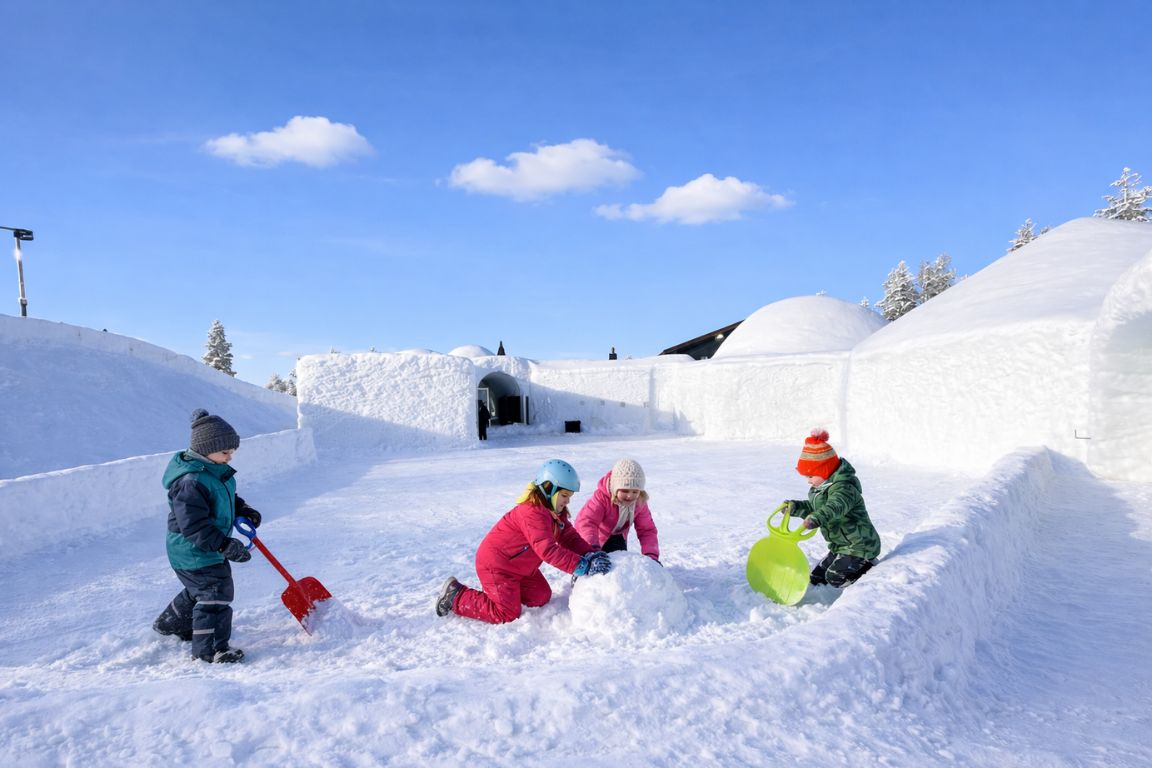 The snowshoeing season runs from late November through early April, determined entirely by snowpack. The best months for the experience are January through March: snowpack is deepest (50 to 100 cm in the forest), temperatures have settled into consistent deep winter, ice on lakes and frozen swamps is at full thickness for safe crossing, and the landscape is at peak photogenic quality – the snow-loading on trees that produces Lapland’s characteristic winter look builds progressively from November and reaches full saturation in January. Late March and early April offer longer daylight hours with some solar warmth while snow conditions remain excellent. November and December bring the first snows but with shallower pack and variable conditions.
January is the month when the boreal forest around Rovaniemi is most visually dramatic. The spruce trees accumulate snow on their branches in a pattern that builds over weeks of sub-zero temperatures, eventually reaching formations where the entire visible surface of the tree is white and the branch structure is invisible beneath. Finnish and Sámi cultures have names for specific snow-loading states on trees; the guide will explain these during the tour. This visual quality is what makes January and February snowshoeing photographs look the way they do – the trees are structural snow sculptures in a way they are not in November or March.
February combines maximum snowpack with increasing daylight. Sunrise in February arrives around 8:30am and sunset around 4:30pm in Rovaniemi, giving roughly 8 hours of workable daylight versus the roughly 3 to 4 hours available in December and early January. Daytime snowshoe tours in February get meaningful natural light throughout, which transforms the photography conditions and the forest atmosphere. The cold is consistent – typically minus 10 to minus 20°C – but the light is richer and more angled than in midwinter.
March is the local guide’s preferred month for almost all outdoor activities including snowshoeing. Days lengthen rapidly; by late March, sunrise is before 7am and sunset after 7pm. Snow conditions remain excellent with a firmer, settled surface that is easier to walk on than fresh powder. Temperatures moderate slightly. The Northern Lights season extends through March and early April, making evening aurora snowshoe tours viable well into spring. Experienced hikers willing to combine a full snowshoeing day with a national park route – Riisitunturi, Pyhä-Luosto, Oulanka – find March’s light and conditions ideal.
If you’re trying to decide between a winter or summer trip, check out our breakdown on the best time to visit Rovaniemi tours and what each season actually offers.
What Do First-Timers Always Get Wrong About Snowshoeing in Rovaniemi?
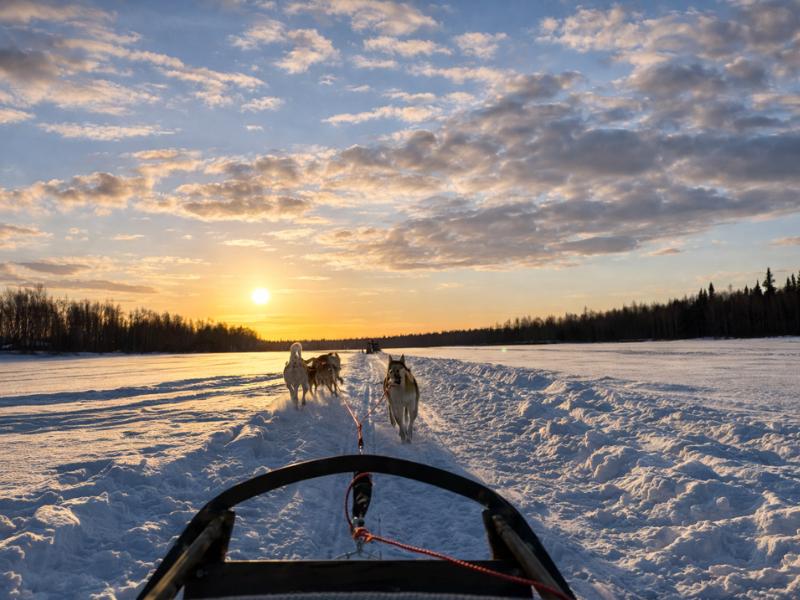
Five consistent first-timer mistakes: booking a tour labeled as “snowshoeing” that turns out to be mostly campfire time with 15 to 30 minutes of actual walking (read the description for km distance, not just total duration); arriving in non-waterproof boots and discovering wet feet within 30 minutes; underestimating the cold during the campfire stop because the walking generated warmth that immediately disappears at rest; attempting to take photos while moving rather than waiting for stops (snowshoes require balance attention on uneven terrain); and scheduling the snowshoe tour for a heavy snowfall day without understanding that fresh powder is harder to walk in and visibility is reduced – a cloudless cold day produces better conditions and better photographs.
The duration versus walking time confusion that affects husky safari booking also affects snowshoeing, and the stakes are similar. A “3-hour snowshoeing tour” where the actual walking is 30 minutes and the remaining 2.5 hours are campfire and kota time is not misrepresented – the kota experience is genuinely part of what many operators offer and what many travelers want. But if your goal was to cover terrain, learn the navigation, and experience the forest for two hours, you booked the wrong product. Check the listing for km distance walked or explicit walking time. A legitimate wilderness snowshoe tour covering 3 to 5 km of forest mentions the distance.
Non-waterproof boots are the failure mode that ruins the most snowshoe tours because there is no remedy once it starts. Unlike the husky safari where the operator provides boots as standard, some snowshoe operators expect you to bring appropriate footwear and only offer boots if asked. If your winter boots are waterproof to minus 15°C, you are fine. If they are fashion winter boots – warm-lined but not genuinely waterproof – the snow contact from the snowshoe motion will find the seam within the first 30 minutes. Check the booking description for clothing inclusion and specifically ask about boots if it is not stated.
The campfire cold phenomenon catches travelers who dressed for active movement and forgot that the fire stop lasts 20 to 30 minutes during which they are standing still. The solution is simple: carry a lightweight extra layer in a small daypack or in the tour vehicle, and put it on at the campfire before you feel cold rather than after. The guide will note when the fire stop is approaching. That is when to add the layer. If you wait until you are cold, the recovery takes longer than the stop.
Photography on snowshoes requires accepting that the moving sections are for experiencing, not documenting. The frames require slightly more attention to foot placement than regular walking – a brief distraction looking at a camera screen is enough to catch a frame on a buried branch or step sideways off a packed trail into deeper powder. Both produce an undignified stumble. The campfire, the kota interior, the animal tracks the guide points out – these are the photograph moments, and they are static. Save the camera for those and leave the phone in your inner pocket during the walk itself.
If you’re feeling overwhelmed by all the options, check out our breakdown on how to plan a trip to Rovaniemi tours step by step.
What Our Travelers Tell Us About Snowshoeing in Rovaniemi
| Snowshoeing Metric | Data Point | Notes |
| % who said snowshoeing surprised them positively | 82% | Often booked as a “filler” but ends up a trip highlight. |
| Most popular snowshoe tour format booked | Wilderness Hike & Fire | 3-hour tours combining forest trekking with a campfire snack. |
| % who added snowshoeing to a Husky/Snowmobile trip | 45% | Most guests pair it with a “motorized” day for balance. |
| Most cited reason for booking snowshoeing | Peace and Silence | A desire to escape the engine noise and crowds of the main hubs. |
| Most common clothing mistake on tour | Over-layering (Sweating) | Many wear “husky-level” parkas and overheat within 20 minutes. |
| % who rated it as best value activity | 74% | Lower price point than safaris makes the satisfaction-to-cost ratio very high. |
| Most memorable tour moment cited | Finding Animal Tracks | Identifying moose, lynx, or hare prints with a guide’s help. |
Frequently Asked Questions
Is snowshoeing in Rovaniemi suitable for beginners?
Yes, snowshoeing is one of the most beginner-friendly outdoor activities in Rovaniemi. No prior experience is needed and no physical technique has to be learned beyond normal walking. The guides explain how to strap on the snowshoes (about 2 minutes) and how to adapt your stride slightly for the frames (resolved naturally within the first few minutes of walking). The standard tour covers 3 to 5 km over 1.5 to 2 hours of walking on managed forest terrain at a pace adapted to the group. Most operators accept participants from age 7 or 8 and up.
How long does a snowshoeing tour in Rovaniemi last?
Standard tours run 3 hours total – approximately 20 to 30 minutes of transfer to the forest, 1.5 to 2 hours of walking covering 3 to 5 km, and a campfire stop of 20 to 30 minutes before the return transfer. Full-day wilderness tours run 6 to 8 hours and cover 8 to 15 km. Evening aurora snowshoe tours typically run 3 to 4 hours from after dark. Always check the booking description for actual walking km rather than total program duration.
What do you wear on a snowshoeing tour in Rovaniemi?
Most operators provide thermal overalls and boots – wear wool or synthetic base layers underneath (never cotton). Bring your own warm hat, neck gaiter, and gloves for the campfire stop. Waterproof boots rated to minus 20°C are essential; the snowshoe motion brings your boot into repeated contact with the snow surface. If your own boots are not genuinely waterproof to that rating, use the operator’s provided footwear. A lightweight extra layer for the campfire stop is worth carrying.
Can you see the Northern Lights on a snowshoeing tour in Rovaniemi?
Yes, if you book specifically an evening aurora snowshoe tour. Several operators including Nordic Odyssey run tours that depart after dark, walk on snowshoes to dark-sky locations outside city light pollution, and wait for aurora activity. The experience of seeing the Northern Lights from a position you walked to in forest silence is consistently described as more atmospheric than arriving by vehicle. Daytime snowshoe tours in November through March occur during aurora season but after dark; the standard daytime tour does not specifically chase the lights.
Is snowshoeing better than a snowmobile safari in Rovaniemi?
They are different activities suited to different travelers. Snowshoeing is quiet, nature-focused, accessible to all fitness levels, and significantly cheaper – it produces silence and connection with the forest rather than speed and adrenaline. A snowmobile safari is faster, louder, covers more terrain, and requires a driver’s license to drive. For travelers prioritizing nature depth, animal tracks, forest atmosphere, and aurora viewing on foot, snowshoeing delivers more per euro. For travelers wanting the exhilaration of powered Arctic travel, the snowmobile is the better fit. Many Rovaniemi visitors do both across different days.
What is the best snowshoeing tour in Rovaniemi?
For first-timers wanting the genuine wilderness experience in a small group with a knowledgeable guide: Nordic Odyssey’s snowshoe adventure in Arctic wilderness. For families with children: Nordic Odyssey’s family snowshoe plus ice fishing tour or Wild About Lapland’s group-adapted wilderness snowshoe. For aurora combination: Nordic Odyssey’s evening snowshoe tour to dark-sky locations. For flexible scheduling close to the city: Apukka Resort’s Monday, Wednesday, Friday departures. For the most demanding terrain and genuine wilderness guiding: Kota Outdoors’ certified wilderness guide ski and snowshoe treks in small groups.
Snowshoeing pairs exceptionally well with ice fishing, an aurora tour, or a reindeer farm visit on the same day. Book an aurora hunt for a different evening if you want both, so the snowshoe day stays unhurried. See Northern Lights tours that fit around a snowshoe day.
Written by Elias Koskinen
Finnish tour guide since 2012 · Founder, Rovaniemi Tours
Elias has guided over 9,500 travelers through Rovaniemi, Finnish Lapland, and the Arctic Circle since founding the agency.


